




-
Why Do Some Earbuds Create Pressure in the Ears?
-
How to Choose Earbuds for Ears Sensitive to Pressure
-
Best Earbuds for Ears Sensitive to Pressure
-
How Shokz Compares With Other Brands
-
Why Open-Ear Headphones Help with Ear Pressure
-
Tips for Ear Pressure Relief While Listening
Have you ever put in a pair of earbuds and felt uncomfortable within minutes? Traditional earbuds can cause blockages, soreness, or pressure in your ears, making listening less enjoyable. The in-ear tips create a tight seal in the ear canal, which causes that discomfort.
New open-ear headphones technology and pressure-free designs offer a relaxing way to enjoy music, podcasts, calls, and workouts without that stuffed feeling. Whether you’re commuting in Sydney, running in Melbourne, or working from home, there are better options available.
In this guide, we’ll explain why some earbuds cause discomfort, what to look for in a better fit, and which earbuds are best for sensitive ears.
Why Do Some Earbuds Create Pressure in the Ears?
Traditional earbuds are made to create a tight seal in your ear canal. This seal helps block out noise and delivers strong bass, but it comes at a cost. The tight silicone tips trap air in the ear canal, creating a vacuum-like sensation that many people find uncomfortable.
Oversized ear tips can make things worse by pressing against sensitive parts of your ear, and the pressure increases the longer you wear them.
There's also that uncomfortable popping or suction feeling when inserting or removing earbuds — a vacuum effect caused by the moment the seal breaks. Long listening sessions increase irritation over time. Sweat during a workout can cause the tips to shift, so you have to push them back in harder and repeatedly.
And if you’re someone who already deals with sinus congestion or general ear sensitivity, even mild pressure can feel more intense. The bottom line: it's not you. It's the design.

How to Choose Earbuds for Ears Sensitive to Pressure
Not all earbuds are built the same, and the right choice for sensitive ears comes down to a few key features.
- An open-ear design that sits outside or around the ear canal, rather than inside it
- Lightweight build, so there's no heaviness or fatigue over time
- A secure fit that doesn’t clamp too tightly; comfort shouldn’t come at the expense of stability.
- Adjustable or flexible hooks that fit different ear shapes
- Sweat resistance for exercise and outdoor use in Australian conditions.
- Stable Bluetooth connection for uninterrupted listening on the go
- Clear quality and balanced sound with music, podcasts, and voice
- Long battery life for full-day use without needing to recharge mid-afternoon
Open-ear models always rank highest for people with sensitive ears because they prevent pressure issues from the start rather than just managing them.
Best Earbuds for Ears Sensitive to Pressure
The design approach makes a big difference here. Shokz’s open-ear models lead the way, offering three great options to suit different needs.
Best Overall Open-Ear Choice: Shokz OpenFit 2+
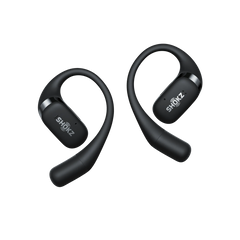
The Shokz OpenFit 2+ is a top choice for anyone who wants all-day comfort without losing sound quality. It sits outside the ear canal with an open-ear clip design, so there’s no air seal, no vacuum pressure, and no discomfort from tips pressing into your ear.
What’s impressive is how much it offers with its open design. The audio is strong and balanced, and you can still hear what’s happening around you, whether you’re at your desk, walking through a shopping centre, or commuting. It’s so lightweight you might forget you’re wearing it, and the battery lasts all day.
Best for: People who want everyday comfort without giving up sound quality, like commuters, remote workers, and casual listeners.
Best for Running and Training: Shokz OpenRun Pro 2
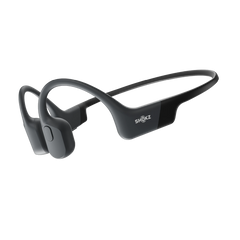
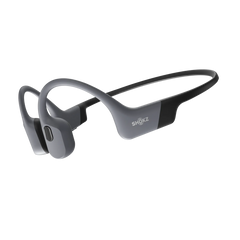
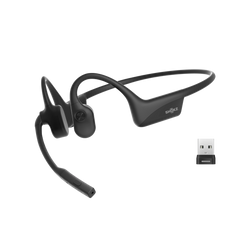
Serious athletes need more than comfort; they also need stability while moving. The Shokz OpenRun Pro 2 offers a secure, locked-in fit with its wraparound design while keeping your ears open to your surroundings.
There are no ear tips to worry about and no sweaty silicone pressing against your ear during a long run. The open-ear design lets you hear traffic, your training partner, or the path ahead, which is a real safety advantage for outdoor training. It’s also built to handle Australian heat and sweat with ease.
Best for: Runners, cyclists, gym users, and anyone who trains outdoors and wants to stay aware of their surroundings while enjoying good sound.


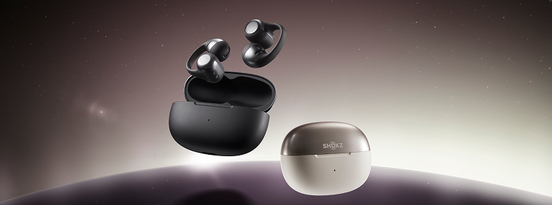
Best for Style and Everyday Wear: Shokz OpenDots ONE
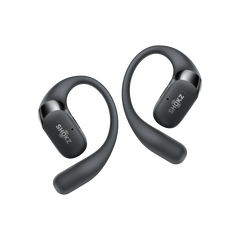
If you want pressure-free listening in a sleek, discreet style, the Shokz OpenDots ONE is a great choice. Its small open-ear clip sits neatly beside your ear, so it looks subtle without giving up comfort or sound quality.
It's designed for people who move between contexts throughout the day — from a morning meeting to a lunchtime walk to an afternoon coffee. There are no bulky neckbands and no tips to fuss with. Just clean, comfortable, pressure-free listening that looks good doing it.
Best for: People who want discreet comfort, a stylish look, and an easy shift between work and daily life.


How Shokz Compares With Other Brands
It’s helpful to see how different brands compare. Here’s a straightforward look at how Shokz open-ear models stack up against popular in-ear options in Australia.
|
Brand |
Style |
Comfort for Sensitive Ears |
Awareness |
Best Use |
|---|---|---|---|---|
|
Shokz |
Open-ear |
Excellent |
Excellent |
Sport + daily life |
|
Apple AirPods Pro |
In-ear (sealed) |
Moderate |
Moderate (Transparency Mode) |
Apple ecosystem users |
|
Samsung Galaxy Buds |
In-ear |
Moderate |
Moderate |
Android users |
|
Bose QuietComfort Earbuds |
In-ear ANC |
Moderate |
Lower |
Travel and commuting |
|
Jabra Elite Series |
In-ear |
Moderate |
Moderate |
Calls and office use |
The core difference isn't brand loyalty — it's structural. Sealed in-ear designs are engineered to block out sound, which means they also trap air. For sensitive ears, that design choice has real consequences.
Open-ear models like Shokz sidestep the issue entirely by never entering the ear canal. Other brands offer transparency or awareness modes as a workaround, but these models still rely on a physical ear seal.
Why Open-Ear Headphones Help with Ear Pressure
The case for open-ear headphones for ear pressure isn't just about comfort — it's about how they interact with your ear at a basic level.
Traditional in-ear earbuds create a closed space inside the ear canal. This space builds up pressure, limits airflow, and causes a muffled, stuffy feeling that worsens over time. Open-ear headphones work differently by delivering sound to your ear without a physical seal.
The practical benefits are notable:
- No trapped pressure sensation; air moves freely around your ear.
- Better hygiene, since the ear canal isn’t blocked, which means less moisture and less chance for bacteria to build up.
- Safer for outdoor use, because you can naturally hear what’s happening around you instead of relying on a microphone.
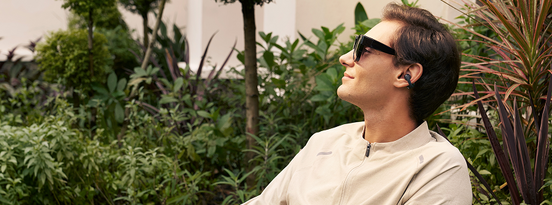
- Glasses-friendly designs, as many open-ear models sit comfortably next to the arms of your glasses.
- Longer listening without fatigue — because the ear isn't under sustained physical pressure, extended sessions are far more manageable.

Tips for Ear Pressure Relief While Listening
Even if you're not ready to switch designs just yet, there are practical ways to reduce discomfort and get ear pressure relief with the gear you already own. Small adjustments can make a meaningful difference.
- Lower the volume: high volumes increase sound pressure in the ear canal, boosting the feeling of pressure.
- Take a break every hour: even just a quick five-minute break can help your ears relax and recharge.
- Clean your earbuds regularly: wax and debris on the ear tips can affect fit, causing you to push them deeper to compensate.
- Try a smaller ear tip size: it’s common to default to medium, but a smaller size would fit better and cause less pressure in the canal.
- Don’t force buds deep into your ears: A gentle, shallower fit delivers just as good sound while reducing the vacuum effect on removal.
- Alternate ears during calls: switching sides distributes strain and prevents one-sided fatigue
- Use open-ear models if discomfort persists: this is the most direct solution if tip changes don't help.
- Give your ears a break: a few minutes without anything in or on your ears helps normalise pressure after longer sessions.
- Consult a healthcare professional if pain continues: Persistent ear pain or pressure might be a sign of something worth examining. It’s a good idea to get it checked before it becomes an issue.
You don’t always need to buy new gear to relieve ear pressure. But if simple changes aren’t helping, it’s worth considering a different design.
If traditional earbuds give you ear pressure, changing the design—not just the brand—is the best solution. Open-ear headphones offer real comfort, let you stay aware of your surroundings, and avoid the discomfort of ear tips.
For Australians, Shokz OpenFit 2+, OpenRun Pro 2, and OpenDots ONE cover everyday use, sports, and style. Check out the full Shokz range to find your most comfortable fit.
Frequently Asked Questions
Q. Why do my earbuds cause pressure in my ear?
A. Most earbuds create a seal in the ear canal, trapping air and building pressure over time. The tighter the seal — whether from a large tip size or a deep insertion — the more intense that sensation tends to be. Open-ear designs avoid this by sitting outside the ear canal.
Q. How can I get ear pressure relief while using headphones?
A. Simple steps include lowering your volume, taking regular breaks, trying smaller ear tips and keeping your earbuds clean. If discomfort continues, switching to open-ear headphones to reduce ear pressure — like those in the Shokz range — is one of the most effective long-term solutions.
Q. When should someone see a doctor about ear pressure from headphones?
A. If ear discomfort, pain, or pressure continues after switching to open-ear headphones, reducing volume, and adjusting listening habits, it's worth speaking with a GP or audiologist. Persistent ear pressure can sometimes indicate an underlying issue unrelated to headphone use — like congestion, infection, or Eustachian tube dysfunction — and it's always better to have it properly assessed.
Q. Do open-ear headphones sound as good as in-ear earbuds?
A. Modern open-ear headphones have significantly closed the gap. While sealed-in-ear models may still edge out open-ear options for deep bass isolation, Shokz's open-ear options deliver balanced, detailed sound that's more than good enough for music, podcasts, and calls — without the discomfort.