




-
What Makes a Great Running Headphone?
-
Different Types of Running Headphones
-
Top Rated Running Headphones for 2026: Top 5 Australian Picks
-
Shokz Running Headphones Guide
-
How to Choose the Right Running Headphones
-
Common Mistakes Runners Make When Buying Headphones
-
Frequently Asked Questions
There is nothing quite like a killer playlist pushing you through the final kilometres of a long run, and the battery dies.
Music and podcasts genuinely improve motivation, help maintain pace, and make the hard kilometres feel a little more manageable.
But here is the problem — not all headphones are built for running. Earbuds fall out mid-stride. Sweat kills the electronics. Noise-cancelling designs block out traffic on busy roads. Batteries die before the finish line. Sound familiar?
Every single model featured in this guide has been tested across real Australian running conditions, including road running, muddy trail sessions, heavy rain, and gruelling long-distance efforts, so you can make a genuinely informed choice before spending a cent.
What Makes a Great Running Headphone?
Before we get into the rankings, it’s good to know what really makes a great running headphone stand out from a mediocre one.
Each pair in the test underwent long-distance runs, high-intensity interval training, trail sessions on uneven ground, and full exposure to rain and heavy sweating.
Six key factors:
Fit and stability: Headphones that shift, bounce, or fall out during a hard interval simply don't make the cut.
Sweat and water resistance: A minimum IPX4 rating was expected. Anything less and you're gambling with your gear every rainy morning.
Situational awareness: For road and trail runners, the ability to hear traffic, cyclists, and other hazards is a genuine safety consideration, not a nice-to-have.
Battery life: Anything under six hours was considered a liability for long runs and back-to-back training days.
Comfort over distance: Pressure points, ear fatigue, and heat build-up all become serious issues past the 45-minute mark.
Sound quality: Audio doesn't need to be audiophile-grade, but clarity, bass response, and volume headroom all matter when you're pushing through a tough kilometre.

Different Types of Running Headphones
Choosing the right audio gear begins with understanding the different design types suitable for various training styles and environments.
Open-Ear Headphones
These innovative designs sit entirely outside the ear canal, leaving the ears completely open to surrounding sounds. Runners can hear approaching traffic, call out to training partners, and stay aware of their environment without removing their audio gear. Brands like Shokz have pioneered this category, making open-ear technology a popular choice for road running.
True Wireless Earbuds
True wireless earbuds are compact, lightweight, and highly popular, offering easy portability and excellent sound isolation, making them a favourite among many users. They work brilliantly for gym sessions and treadmill runs.
The trade-off is stability — traditional earbud designs can shift or fall out during intense or high-impact activity, making them a frustrating choice for serious outdoor runners.
Bone Conduction Headphones
These remarkable devices transmit sound vibrations directly through the cheekbones, completely bypassing the ear canal. The ears remain fully open at all times. Endurance athletes and long-distance runners particularly favour bone conduction technology because it eliminates ear fatigue.
Neckband Sports Headphones
A flexible band connects the earpieces and rests around the back of the neck. This design offers excellent stability and typically delivers a strong battery performance. The slight additional weight compared to true wireless options is the main compromise, though many runners appreciate the secure fit during trail runs.
Top Rated Running Headphones for 2026: Top 5 Australian Picks
After extensive field testing, these five models represent the best options available to Australian runners right now. Each delivers on performance where it counts most.
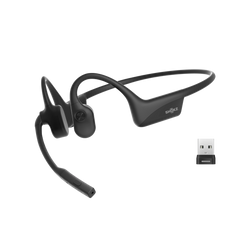
1. Shokz OpenRun Pro 2
Best for: Serious road runners and long-distance athletes
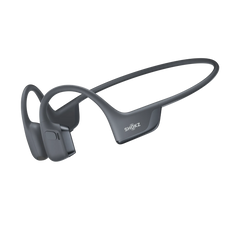
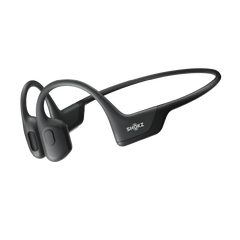
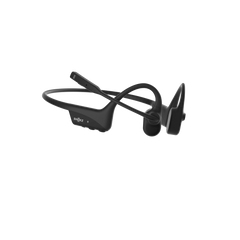
The OpenRun Pro 2 is the benchmark for open-ear running audio. Premium bone conduction technology delivers rich, clear sound while keeping ears completely open to what’s happening around you.
- Excellent wraparound titanium frame locks in place
- Featherlight design causes zero ear fatigue over long distances
- IP55 rated, handles heavy perspiration and light rain
- Noticeably improved bass response over previous generations
- Up to 12 hours of continuous playback
Pros:
- Outstanding premium sound
- Exceptional awareness of outside sounds for safety on roads and trails
- Genuinely comfortable across runs exceeding two hours
- Secure wraparound fit — no movement during sprints or hill reps
Cons
- Audio quality still trails premium in-ear options
- Open design is not suited for noisy gym environments
- Higher price point


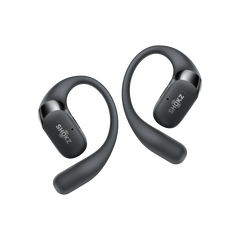
2. Shokz OpenFit 2+
Best for: Casual runners and everyday fitness enthusiasts
The OpenFit 2+ takes a different approach from traditional bone conduction. Using Shokz's DirectPitch air conduction technology, it delivers audio through a tiny driver that sits at the entrance of the ear canal without entering it — offering a noticeably fuller sound while preserving awareness. It's the top choice for runners looking for open-ear safety features without sacrificing audio quality.
- DirectPitch open-ear air sound— richer audio than bone conduction
- IPX5 sweat and water resistance
- Up to 7 hours battery (28 hours with charging case)
- EarHook design for secure fit during activity
- Multipoint Bluetooth for seamless device switching
Pros:
- Incredibly lightweight, with no ear canal pressure
- More premium sound profile than bone conduction alternatives
- Compact carry case makes it travel-friendly for race weekends
Cons:
- Slightly less open than full bone conduction models
- Less powerful bass than bone conduction flagship models
- Premium price point


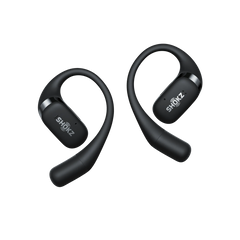
3. Shokz OpenDots ONE
Best for: Minimalist runners, those new to open-ear, casual to moderate training
The OpenDots ONE is Shokz's most accessible open-ear option, and it more than earns its place on this list. Compact, lightweight, and genuinely comfortable, it's the entry point into the open-ear running experience — without the entry-level compromises.
- True open-ear design with directional audio
- IPX4 water resistance — handles sweat and light rain
- Up to 8 hours of battery life
- Lightweight clip-on style with no in-ear pressure
- Bluetooth 5.3 for a stable wireless connection
Pros
- Affordable price for open-ear technology
- No ear canal pressure — ideal for runners with sensitive ears
- Strong battery life relative to size
Cons
- IPX4 rather than IPX5 or higher
- Fewer premium audio features


4. Jabra Elite 8 Active
Best for: Gym cross-training, interval runners who want noise isolation, athletes in controlled environments
For runners who prefer in-ear audio with a secure fit, the Jabra Elite 8 Active stands out. Its ShakeGrip ear gel material forms a tight, sweat-activated seal that remains in place during sprints or box jumps. It also features active noise cancellation for louder training environments and has an IP57 rating for full water submersion.
- ShakeGrip ear gel for secure, sweat-activated fit
- IP57 — submersible to one metre
- ANC plus HearThrough mode for situational awareness
- 8-hour battery (32 hours with case)
- MultiSensor Voice technology for call clarity
Pros
- One of the most secure-fitting true wireless earbuds available
- Excellent audio quality
- Strong IP rating for multi-sport use
- Fully waterproof, excellent stability
Cons
- ANC blocks ambient sound - reduces traffic awareness
- Premium price
5. Beats Fit Pro
Best for: Gym sessions, shorter road runs, Apple ecosystem users
The Beats Fit Pro earns its place for runners deep in the Apple ecosystem. Powered by the H1 chip, pairing with iPhone and Apple Watch is instant and effortless. The flexible wingtips lock into the ear with genuine confidence, and the Adaptive EQ delivers a punchy, energetic sound profile that pairs well with high-tempo playlists.
- Flexible wingtip stabilisers for a secure fit
- IPX4 water resistance
- ANC with Transparency mode
- Apple H1 chip — instant pairing with Apple devices
- Up to 6 hours battery (24 hours with case)
Pros
- Seamless Apple integration
- Strong audio quality for the price
- Wingtip design stays put during dynamic movement
Cons
- Android users miss out on key features
- IPX4 only — not ideal for heavy rain or swimming
- ANC cuts awareness on roads
Shokz Running Headphones Guide
Shokz has become the preferred name in open-ear running headphones for good reason. The brand's focus is on keeping ears open while providing reliable audio. This approach appeals strongly to safety-conscious runners, endurance athletes, and everyday commuters who spend time outdoors.
Here's a breakdown of their current running lineup.
Shokz OpenRun Pro 2 — Best for Serious Runners
The flagship of the Shokz range, the OpenRun Pro 2, utilises ninth-generation bone conduction technology to deliver noticeably improved bass and audio clarity compared to earlier models.
Weighing just 29g, it remains virtually invisible during long runs. Its 12-hour battery life is almost unmatched in the open-ear category, and the IP55 rating ensures it withstands heavy sweat and rain.
For runners training consistently — especially those covering 50km-plus weeks — this is the clear choice.
Shokz OpenFit 2+ — Best for Audio Quality
The OpenFit 2+ bridges the gap between traditional earbuds and open-ear technology. Using directional air conduction instead of bone vibration, it rests at the entrance of the ear without blocking the canal.
The result is a fuller, more dynamic sound than standard bone conduction. The charging case extends total playback to 28 hours, making it a practical choice for race weekends and travel.
Shokz OpenDots ONE — Best Entry-Level Pick
The OpenDots ONE is the most accessible Shokz option for runners stepping into open-ear audio for the first time. It's lightweight, comfortable, and easy to wear for extended sessions.
The IPX4 rating covers most training conditions, and the 8-hour battery life is generous for the price point. If you want open-ear running without a premium product, start with the OpenDots ONE.
How to Choose the Right Running Headphones
Choosing running headphones isn't just about picking the best-reviewed product — it's about matching the right pair for your training routine, conditions, and body.
Here are the key factors to consider.
Fit and Stability
Earbuds work for many runners, but those with smaller or irregularly shaped ear canals often find them unreliable during dynamic movement. Wraparound designs — like the Shokz OpenRun Pro 2 — bypass this problem entirely. The ideal fit doesn’t require readjusting past the five-minute mark. If headphones need fiddling during every run, they're the wrong pair.
Running Environment
City running demands awareness of your running setting. Open-ear or bone conduction headphones are the safer default for anyone running with cars, cyclists, and pedestrians. Trail runners also benefit from hearing, changes in terrain, and wildlife. Treadmill and gym-based runners have more flexibility, since noise isolation from ANC earbuds is less of a safety concern.
Weather Resistance
For Australian runners dealing with summer humidity, sudden Brisbane downpours, or Melbourne's four-seasons-in-one-day conditions, IP rating matters. IPX4 handles sweat and light rain. IPX5 handles directional water spray — better suited for heavy training. IP57 is rated for submersion.
Battery Life
Casual runners covering 30–45 minutes per session can get away with a six-hour battery. Marathon runners and those doing back-to-back training days need ten hours or more. Think about whether a charging case is included and how quickly the headphones recharge. Shokz's quick-charge feature on the OpenRun Pro 2 — 1.5 hours of playback from a 10-minute charge — is a go-to on race morning.
Comfort Over Distance
Weight and pressure become significant after 60 minutes. Earbuds that feel fine for a 5K can cause discomfort during a 25K-long run. Lightweight, pressure-free options — particularly open-ear designs — tend to perform better across distance. The absence of in-ear pressure is one of the most underrated advantages of bone conduction and open-ear headphones for endurance runners.

Common Mistakes Runners Make When Buying Headphones
Even experienced runners fall into the same traps when buying headphones. Avoiding these mistakes can save a lot of money — and frustration.
Choosing Noise-Cancelling Headphones for Road Running
Active noise cancellation is a fantastic feature in the office or on a flight. On a busy road, it's a safety risk. Blocking ambient noise during runs near traffic can decrease your awareness of your surroundings. Unless a headphone includes a reliable Transparency or HearThrough mode, ANC should not be active during outdoor road runs.
Ignoring Sweat Resistance Ratings
A surprising number of popular headphones have no meaningful water-resistance rating at all. This doesn't matter for couch listening — it absolutely matters when running in Queensland humidity or Sydney's summer heat. Always check the IP rating before buying. A pair of headphones without a listed rating is not ideal for regular running.
Prioritising Sound Over Stability
Audio quality matters, but it means nothing if headphones keep getting poked back in during a run. The best-sounding earbud is worthless on a trail if it falls out on every downhill. Stability and secure fit should be the primary filter when evaluating options for running — sound quality is the second consideration.
Buying Bulky Headphones for Long Runs
Over-ear or large on-ear headphones might deliver impressive sound in a studio, but they are not built for running. Heat buildup, sweat saturation, and added weight over long distances make them uncomfortable and impractical. Even if a pair is technically wireless and claims a sports rating, the form factor often tells the full story. Purpose-built running headphones are always the right call.
Final Thoughts
The best running headphones are never a one-size-fits-all answer. The right choice depends entirely on running style, preferred environment, and personal comfort priorities. Sound quality matters, but it should never come at the expense of safety, stability, or long-term wearability. Open-ear technology has become the standout favourite among Australian runners who refuse to compromise on either performance or environmental awareness. Whether training for a city 10km or a dusty trail ultra, take the time to match the gear to your specific training routine. The right audio companion makes every single run better.
Frequently Asked Questions
Q. Are bone conduction headphones good for running?
- Yes. Bone conduction headphones are ideal for running on roads and trails where awareness matters. They transmit sound through cheekbones, keeping ears open to ambient sound. Brands like Shokz, with models like OpenRun Pro 2, improve sound quality and safety.
Q. What IP rating do running headphones need?
- Look for IPX4 protection at a minimum to guard against sweat and light rain. Runners outdoors or heavy sweaters should opt for IPX5 or higher. IP57 suits swimmers and triathletes. Avoid headphones without IP ratings for outdoor running.
Q. Is it safe to run with noise-cancelling headphones?
- Running with active noise cancellation enabled on open roads or trails seriously reduces your awareness of traffic, cyclists, and other hazards. If using ANC headphones outdoors, always activate the Transparency or HearThrough mode.
Q. How long should a running headphone battery last?
- For casual runners who run 30–60 minutes per session, six hours of battery life is enough. If you run longer distances or train several days in a row without frequent charging, aim for at least eight to ten hours of battery life.
Explore the full Shokz running headphones range at shokz.com.au


