







-
Understanding Bluetooth Headphones
-
How Open Ear Headphones Address Safety Concerns
-
Tips for Safely Using Open Ear Headphones
-
Final Thoughts
-
FAQ
Wireless audio devices are everywhere, but with their popularity comes a growing concern: are bluetooth headphones safe? Many people worry about radiation exposure and whether long-term use could pose health risks.
These concerns become even more significant when it comes to children. With developing brains and thinner skulls, parents often question whether wireless devices could have a greater impact on kids, raising doubts like are wireless headphones bad for you, especially at a young age.
The good news is that most of these fears are often misunderstood or exaggerated. In this guide, we’ll break down the real facts behind Bluetooth headphone safety, explore the actual risks, and show how to choose safer listening options for children.
Understanding Bluetooth Headphones
When asking are bluetooth headphones safe, it’s essential to understand how the technology works.
Bluetooth is a short-range wireless technology that uses low-power radio waves to transmit data between devices. Because it operates at very low energy levels, it is fundamentally different from high-energy radiation like X-rays or UV rays, which are known to cause biological damage.
What Are Bluetooth Headphones?
Bluetooth headphones are most often wireless. Contrary to using a cable, they use waves radiated by a device in order to transmit sound.
Without cords to fuss over, they're easier to access. Children can move about without having to deal with cords that can make them fall over.
They're perfect for gaming as they provide an immersive environment for one to immerse themselves in the gameplay. These headsets can be used for listening to music and watching movies.
In classrooms, they are provided to children for watching educational programs and documentaries.
Common Safety Concerns About Bluetooth Headphones
The question of whether bluetooth headphones are safe for children is not easy to answer. On one hand, they're convenient, but they have potential health risks. Some of the most prevalent concerns regarding the headsets:
-
Radiation Exposure: A primary issue is the radiation produced through Bluetooth headsets. Children have thinner skulls than adults, and for that reason, many believe radiation can pass through them easily and lead to cancer. There is no scientific evidence to prove this claim. What these gadgets do generate is non-ion radiation at incredibly low intensities.
-
Hearing Damage: The most significant risk is hearing loss. Listening to audio at loud volumes can cause permanent loss of hearing. A study showed that 12.5% of children have suffer from hearing loss caused by loud noises.
-
Bacteria Build-Up: Another concern is infection potential. Earphones inserted in the ear in the ear can trap moisture and restrict airflow. This creates a warm environment that is conducive to bacterial growth, causing wax build-up and ear infections.
Do Bluetooth Headphones Cause Cancer?
Concerns about cancer risk are one of the main reasons people ask are bluetooth headphones safe. However, there is currently no clear scientific evidence linking Bluetooth devices to cancer.
Bluetooth technology uses non-ionizing radiation, meaning it does not have the energy required to alter cells or DNA. In fact, the radiation exposure from Bluetooth headphones is typically lower than that of smartphones, making them a relatively low-risk option in daily use.
The Importance of Choosing the Right Headphones for Kids
Comfort and safety should be top priorities when choosing headphones for kids. Heavy or poorly designed models can cause discomfort over time, so it’s best to opt for lightweight options with an ergonomic fit.
Sound-related factors are equally important. Parents should consider how well the earphones fit and whether features like volume control or limiters are in place to help protect children’s hearing.
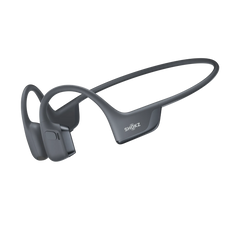
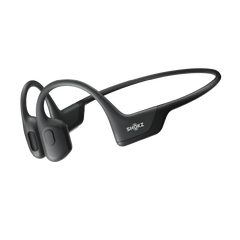
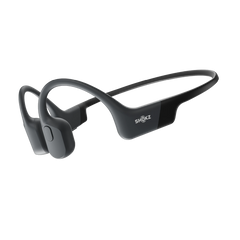
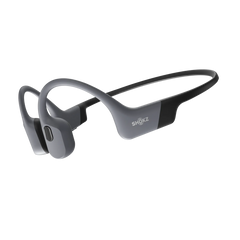
By focusing on comfort, fit, and safe listening habits, you can create a better and safer audio experience for kids. In addition, open-ear designs—such as those used in Shokz headphones—can offer a more breathable and ear-friendly alternative, helping reduce pressure and improve long-term wearing comfort.

How Open Ear Headphones Address Safety Concerns
Now that we have addressed the safety of bluetooth headphones for kids, so can we assume that its a better alternative? Absolutely! open-ear headphones are a compelling solution.
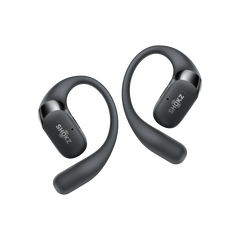
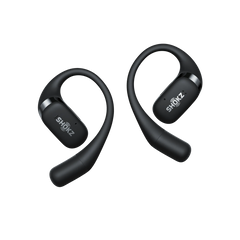
To understand why an open-ear model stands out, let’s discuss its capabilities through Shokz OpenFit model, which is the best sellings open-ear headsets.
The Open-Design Advantage
Its ear-open design neither covers nor enters the ear but transmits sound through bone conduction technology. It promotes free airflow, preventing moisture and heat from building up in the ear.
And since they are not inserted into the ear, they don’t push ear wax deeper. They're safer and more comfortable than other bluetooth headsets.
Preventing Hearing Damage
This design takes care of the key issue problem with headsets: loud volume. The open-ear model allows for the sound to travel through the head at a natural level without affecting the hearing.
Reduced Pressure and Comfort for Long-Term Use
Finally, the open-ear shape of OpenFit model provides sheer comfort for kids. Its thin shape and low weight of 8.3 grams do not put a strain on the head and ears.
Crafted from soft silicone, they're gentle to the skin and can be worn comfortably for extended periods.
Tips for Safely Using Open Ear Headphones
While open-ear headphones are safer for children's use, they must be properly used to protect their hearing.
Here are a few tips for keeping your kids' ears healthy :
Promote Healthy Listening Habits
Start by monitoring sound volumes and have them take a break at routine intervals. Brief stops prevent overuse, minimize strai,n and prevent hearing loss or ear infections.
Encourage Hygiene with Headphones
Instill the practice of cleaning the headsets three days at a time. Remove any grime and bacteria with a soft, dry, or wet cloth. Wipe them before drying the headphones with a cloth afterward. Don't forget to remind your children and friends to clean the headphones when handing them out.
Educate Kids on Safe Usage
Lastly, teaching responsible use of headphones to your kids is a must. Explain the dangers of overuse and high volumes to their hearing and overall health.
Additionally, instilling a routine of having them cleaned regularly can prevent ear infections and maintain long-term hygiene.

Final Thoughts
Here's everything you need to know about "are bluetooth headphones safe for kids?" We would wind up this discussion by saying that radiation risk is minimal, but the real danger lies in being exposed to loud volumes and bacterial proliferation.
To safeguard your children, use open-ear headphones with trustful brands like Shokz. Our open ear headphones reduce infection risks, provide comfort, and sit outside the ear canal.
FAQ
Do AirPods cause cancer?
There is no scientific evidence showing that AirPods or other Bluetooth headphones cause cancer. They use non-ionizing radiation, which does not have enough energy to damage cells or DNA. Compared to devices like smartphones, Bluetooth headphones typically emit much lower levels of radiation.
Is sleeping with Bluetooth headphones bad?
Sleeping with Bluetooth headphones is not dangerous in terms of radiation, but it may cause discomfort or ear-related issues. In-ear models can trap heat and moisture, increasing the risk of irritation or infection. For better comfort and airflow, open-ear designs are often a safer choice for sleep.
Can wired headphones cause cancer?
No, wired headphones do not cause cancer. Unlike wireless devices, they do not emit radiation because they transmit audio through a physical cable. The main risk with wired headphones is still related to volume levels, not cancer or radiation exposure.
Try the OpenFit 2 +. It is an ultra-lightweight option that is ideal for kids, whether they're learning, listening to music, or having fun while gaming!


