






-
Why Waterproof Headphones Matter for Water Activities
-
Best Use Cases for Waterproof Bone Conduction Headphones
-
What to Look for in Waterproof Bone Conduction Headphones
-
A Good Example: Shokz OpenSwim Pro
-
Are Waterproof Bone Conduction Headphones Worth It?
-
Frequently Asked Questions
-
Final Thoughts
Bone conduction headphones work differently from the earbuds most people are used to. Rather than pushing sound directly into your ear canal, they deliver audio through vibrations that travel along your cheekbones to your inner ear. This method keeps your ears fully exposed, making it popular for sports and outdoor training.
How Bone Conduction Technology Works
With bone conduction technology, the headphones sit just in front of your ears on the cheekbones. When you play music, tiny vibrations travel through the bones of your face and reach the inner ear directly. Your brain then processes those vibrations as sound, much like it would with any traditional headphones.
The main benefit is that nothing actually sits inside your ear canal. This makes them more comfortable for long sessions and avoids the plugged-up feeling many people get from in-ear buds.
Why Is Open-Ear Listening Useful for Sports
For athletes, open-ear listening offers a couple of clear advantages. First, it allows you to remain aware of your surroundings while training. Runners can still hear traffic, and people exercising outdoors can stay alert to what’s happening around them.
Second, the open design prevents moisture from building up inside the ear canal. During long swims or workouts, this can make a noticeable difference in overall comfort.
Why Waterproof Headphones Matter for Water Activities
Anyone who has used regular earbuds near water knows they are not ideal. Even models with some level of water resistance are usually designed for sweat or light rain, not for full submersion.
Why Regular Bluetooth Earbuds Don’t Work Well in Water
One of the biggest challenges of using headphones underwater is connectivity issues. Wireless signals struggle to travel through water, so Bluetooth earbuds typically lose connection almost immediately when submerged. Even if the earbuds are technically waterproof, the connection between your phone and the headphones simply won’t hold underwater.
Why Built-In Music Storage Matters for Swimming
The main reason is that Bluetooth does not work well underwater, which is why many waterproof headphones include built-in storage. This allows you to load music directly onto the headphones and listen without relying on a phone connection. For swimmers, this simple feature makes a huge difference. Instead of worrying about signal dropouts, you can focus entirely on your workout.

Best Use Cases for Waterproof Bone Conduction Headphones
Waterproof bone conduction headphones are designed for athletes who spend time around water or train outdoors in unpredictable conditions. Here are some of the situations where they really shine:
Swimming Training and Lap Sessions
Swimming is the most obvious use case scenario. Long training sessions can become repetitive, especially when you are working through endurance sets or distance drills. Listening to music or a podcast can help break up the monotony and keep your rhythm steady while you work through your laps.
Triathlon and Open Water Training
Triathletes often train across multiple environments, from pools to open water to running routes. Waterproof bone conduction headphones work well in these situations because they are built to handle both water and land-based workouts. Their secure fit also means they stay in place even during intense training sessions.
Kayaking, Paddleboarding, and Water Sports
Water sports enthusiasts can also benefit from the open-ear design. Activities like kayaking or paddleboarding require situational awareness, and traditional earbuds can block out important environmental sounds. With bone conduction headphones, you can listen to music while still hearing what’s happening around you.
Running or Training in Wet Conditions
Waterproof headphones are not just for swimming. Outdoor runners and cyclists often deal with rain, heat, and humid conditions. A durable waterproof design ensures the headphones keep working even when the weather does not cooperate.

What to Look for in Waterproof Bone Conduction Headphones
Not all waterproof headphones are built the same. If you plan to use them while swimming or for water sports, there are a few key features to consider.
Waterproof Rating (IP68 or Similar)
A strong waterproof rating, such as IP68, is essential. Look for models with ratings like IP68, which indicate the headphones can handle full submersion in water. This level of protection ensures they can survive regular swim sessions without damage.
Built-In MP3 Storage for Underwater Listening
Because Bluetooth doesn’t work underwater, built-in music storage is one of the most useful features for swimmers. This allows you to store songs directly on the headphones and play them during your training sessions without needing a phone nearby.
Secure and Comfortable Fit for Sports
A stable fit is also important. Most bone conduction headphones use a wraparound frame that sits securely behind your head. This design keeps the headphones stable during swimming, running, or other high-movement activities.
Battery Life for Long Training Sessions
Battery life is another factor to consider, especially if you train frequently. A good pair should last through several workouts before needing to be recharged.
A Good Example: Shokz OpenSwim Pro
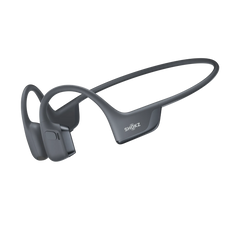
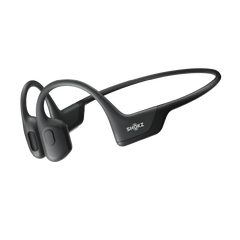
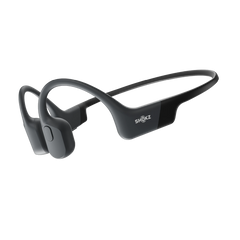
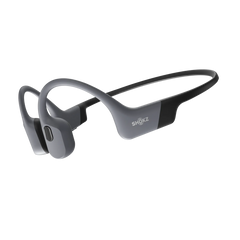
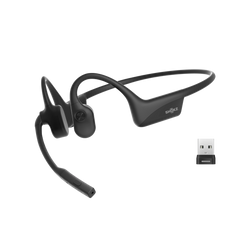
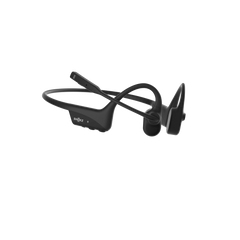
One example designed specifically for swimmers is the Shokz OpenSwim Pro. These waterproof bone conduction headphones are built with aquatic training in mind, combining durable waterproof protection with built-in music storage.
IP68 Waterproof Protection
The OpenSwim Pro features an IP68 waterproof rating, allowing it to handle full immersion during swimming sessions. This makes it suitable for both pool workouts and open water training.
Built-In Music Storage for Swimming
Built-in music storage is one of the most useful headphone features for swimmers, as Bluetooth does not work underwater. This allows swimmers to enjoy music throughout their workouts without relying on a phone or Bluetooth connection.
Open-Ear Bone Conduction Design
The open-ear bone conduction design keeps the ear canal clear while transmitting audio through vibrations along the cheekbones. This approach helps maintain comfort during long training sessions.
Secure Fit for Active Training
The wraparound frame is designed to stay stable even during intense movement in the water. It sits comfortably under most swim caps and works well alongside swimming goggles.


Are Waterproof Bone Conduction Headphones Worth It?
For swimmers and water sports enthusiasts, waterproof bone conduction headphones can be genuinely a useful upgrade. They solve two of the biggest problems athletes face when listening to music in the water: connectivity and durability. While traditional earbuds struggle with water exposure and Bluetooth limitations, bone conduction models are designed specifically for these environments. If swimming, triathlon training, or water sports are a regular part of your routine, these headphones can make long workouts far more enjoyable.
Frequently Asked Questions
Can bone conduction headphones be used underwater?
Yes. Many models designed for swimming have waterproof ratings that allow them to function while submerged.
Why doesn’t Bluetooth work underwater?
Water disrupts Bluetooth signals, which makes wireless connections unreliable once submerged. This is why many swimming headphones rely on built-in music storage instead.
Are bone conduction headphones safe for swimming?
Yes. Because they sit outside the ear canal, bone conduction headphones avoid many of the comfort issues associated with traditional earbuds.
How do swimmers listen to music while training?
Most swimmers use waterproof headphones with internal music storage, allowing them to upload tracks directly to the device and listen without relying on Bluetooth.
Final Thoughts
Waterproof bone conduction headphones have changed the way many athletes approach their training sessions. Instead of struggling with earbuds that fall out or fail in water, swimmers and outdoor athletes now have gear designed specifically for these environments.
Whether you are training for a triathlon, logging laps in the pool, or simply enjoying a paddleboarding session on the weekend, the right pair of waterproof headphones can make the experience far more enjoyable. For anyone who spends a lot of time around water, bone conduction headphones offer a practical and comfortable way to bring music along for the ride.