






-
Why Tiny Ears Need Different Earphones
-
What to Look for in Earphones for Tiny Ears
-
Why Open-Ear Earphones Are a Game-Changer for Smaller Ears
-
Comparison: How Other Earphones for Tiny Ears Stack Up
-
Quick Buying Guide: Which Earphones Suit Your Needs?
-
Frequently Asked Questions:
There's nothing more annoying than an earbud falling out mid-run. For people with tiny ears, this frustration plays on repeat — earphones that pinch, slip, or simply refuse to sit right, no matter how many times they're nudged back into place.
Standard earbuds are often just too big, too heavy, or too painful to wear for long. Here's the thing: it's not your ears that are the problem. It's the design.
This guide covers exactly what to look for in earphones for tiny ears, compares your best options on the Australian market, and recommends a few standout picks that solve the fit problem properly.
Why Tiny Ears Need Different Earphones
Smaller ear canals aren't a flaw — they're just anatomy. But most earphones are engineered for a standard ear size, which means those of us at the smaller end of the scale often pay the price. Standard earbud tips can feel uncomfortably tight in a narrow ear canal, causing soreness after even short listening sessions.
And when the fit is off, the sound suffers too — a poor seal means weaker bass and thinner audio quality, no matter how premium the earphone actually is. There's also a safety angle.
Earphones that keep shifting or falling out are a real distraction during activity — whether you're running, cycling, or simply commuting through a busy street.
The right fit isn't just about comfort. It's about keeping you focused and aware of your surroundings when it counts.

What to Look for in Earphones for Tiny Ears
Choosing the right pair starts with understanding what actually makes a difference.
1. Smaller, More Flexible Designs
Look for earphones that don’t rely on a bulky in-ear fit. Slimmer designs or alternatives to in-ear styles can make a noticeable difference in comfort.
Compact earphone designs with slim nozzles tend to sit more comfortably inside smaller ear canals.
A lightweight build also helps reduce the heaviness that can make standard earbuds feel cumbersome. When shopping, prioritise models known for their low-profile shape and reduced overall footprint.
2. Secure Fit Options
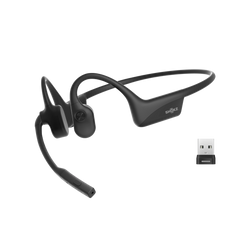
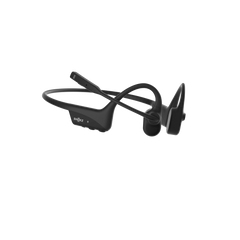
Ear hooks and adjustable bands give earphones something to anchor against beyond just the ear canal. Open-ear designs, in particular, take a completely different approach — they rest near the ear rather than inside it, removing the need for a tight fit altogether. This is where brands like Shokz stand apart.
3. Comfort for Long Wear
Soft, skin-friendly materials make a noticeable difference over a long listen. Pressure-free designs — especially those that don't require deep insertion — are far kinder on smaller ear canals. The less an earphone has to push inward to stay in place, the more comfortable it becomes.
4. Stability When Active
Sweat resistance is crucial when exercising or commuting in the Australian heat. A comfortable, secure fit that allows easy movement can improve your experience.
The best earbuds for small ears should feel almost invisible, whether you're jogging through a park or pushing yourself in the gym.
5. Sound Without Compromise
Comfort and sound quality don't have to trade off against each other. Open-ear earphones deliver audio without sealing the ear canal, which means a more natural listening experience. In-ear models with the right tip size can still produce strong bass and detail — but the fit has to be right first, or none of it matters.
Why Open-Ear Earphones Are a Game-Changer for Smaller Ears
Here's a different way to think about the whole problem: what if the earphones didn't need to go inside your ear at all?
Open-ear earphones sit just outside the ear canal, delivering sound through proximity and directional audio rather than a tight seal. For anyone who's struggled with standard earbuds — whether they slip out, cause pressure, or just never feel quite right — this design sidesteps the issue entirely.
There's no nozzle to squeeze in, no tip to size up or down, and no constant adjusting to get that elusive comfortable fit.
Beyond comfort, open-ear designs are also safer during outdoor activity. Because they don't block ambient sound, you stay aware of what's happening around you — traffic, voices, environment — without having to take an earbud out. This is particularly relevant for Australian runners, cyclists, and commuters who need to stay switched on.
Rather than treating small ears as a limitation to work around, open-ear technology reframes the entire approach — and Shokz has built its range specifically around this principle.
Featured Shokz Products: Built for Ears That Deserve Better
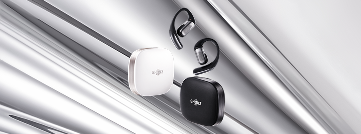
Shokz OpenDots ONE
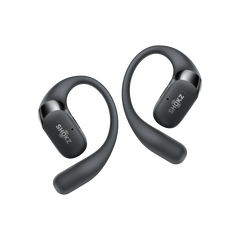
The Shokz OpenDots ONE is designed for people who hate the feeling of anything sitting inside their ears. Ultra-light and minimal in contact, it stays securely in place during movement without applying pressure to the ear canal. Whether you're commuting, walking, or sitting at a desk for hours, it's built for all-day comfort — especially for smaller ears.


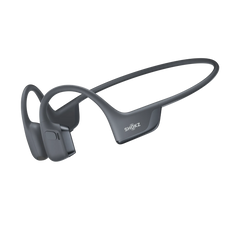
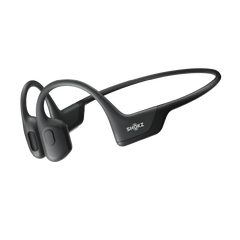
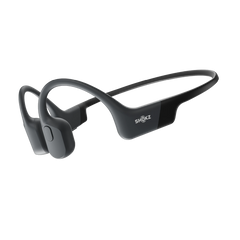
Shokz OpenFit 2+
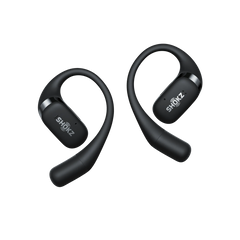
The Shokz OpenFit 2+ takes open-ear audio to a premium level, with an ergonomic ear hook that wraps comfortably around the outer ear — no canal fit required. Its balanced sound works well for both workouts and daily listening, and the design suits smaller ears particularly well. No more adjusting mid-run. No pressure. Just a reliable fit that stays where it should.


Comparison: How Other Earphones for Tiny Ears Stack Up
It helps to know how the options stack up before committing. Let’s take a look at what’s available for people with smaller ears.
Traditional In-Ear Earbuds
Standard in-ear earbuds are widely available and can offer good noise isolation and strong bass response. The problem? They still rely on a canal seal to perform well, and even the smallest included tips can cause discomfort in narrower ears over time. The fit is also less predictable — what works fine for a standard ear may feel intrusive or fall out entirely for someone with smaller ear canals.
Compact True Wireless Earbuds (with XS Tip Options)
Some brands — including Sony and Jabra — offer compact true wireless models with XS ear tips, which is a step in the right direction. These tend to fit better than standard designs and are a reasonable option for people whose primary issue is tip sizing rather than ear canal sensitivity. The downside is that it can still feel like trial and error. Even well-fitted in-ear earbuds may slip during high-intensity activity, and prolonged wear can eventually cause discomfort regardless of tip size.
Open-Ear (The Shokz Advantage)
Open-ear earphones sidestep the canal fit question entirely. There's no insertion, no seal, and no tip size to guess at. For anyone who has struggled with every in-ear option on the market, this is where the frustration ends.
Shokz builds specifically around this design philosophy — and both the OpenFit 2+ and OpenDots ONE deliver consistent comfort that doesn't depend on your ear size at all. More reliable comfort, better situational awareness, and a genuinely active-ready fit: that's the open-ear advantage in practice.
Quick Buying Guide: Which Earphones Suit Your Needs?
Not sure where to start? Use this as a quick decision framework based on what matters most to you. Choosing the right pair doesn't have to be complicated. Here's a quick guide based on different priorities:
- Immersive sound with noise isolation → Compact in-ear earbuds with XS tip options
- Active use — running, gym, cycling → Secure ear hook design; the Shokz OpenFit 2+ is purpose-built for this
- Maximum comfort → Open-ear earphones from Shokz, like the OpenFit 2+ or OpenDots ONE, avoid ear canal pressure entirely.
- Struggled with every earbud → Consider avoiding in-ear designs altogether. Open-ear earphones solve the problem from a completely different angle.
- If you wear earphones all day at work or on the move. Lightweight, pressure-free open-ear designs will outlast anything that sits inside your canal.
For more guidance on finding the right earphone style, check out the Shokz blog for deeper comparisons and buying advice.
Having smaller ears doesn't mean settling for earphones that fall out
, cause pain, or never feel quite right. Fit is everything, and the good news is that there are designs built to solve exactly this problem. Shokz open-ear technology — across both the OpenFit 2+ and OpenDots ONE — offers a straightforward solution that skips the canal fit struggle entirely. Explore the Shokz range at shokz.com.au and find earphones that actually work for your ears, not against them.

Frequently Asked Questions:
Q. Are open-ear earphones good for working out with small ears?
A. Absolutely. Open-ear designs sit outside the ear canal, so they're not affected by ear size at all. Models like the Shokz OpenFit 2+ include ear hooks for secure, sweat-resistant stability during exercise — no slipping, no discomfort.
Q. Why do earphones keep falling out of my small ears?
A. Earphones fall out when the ear tip or body doesn't match your ear's shape and size. Standard earbuds are designed for an average ear size, so if yours are smaller, there simply isn't enough contact to hold them in place — especially during movement. Switching to earphones with ear hooks, adjustable bands, or an open-ear design can resolve this entirely.
Q. Are open-ear earphones good for people with small ears?
A. Yes — open-ear earphones are one of the best earphone types for people with small ears precisely because they don't rely on canal fit. Since they sit outside the ear rather than inside it, ear size becomes largely irrelevant.
Q. What are the best earphones for tiny ears?
A. Open-ear earphones are widely considered the best solution for people with smaller ears, as they don't require any fit inside the ear canal at all. Shokz models like the OpenFit 2+ and OpenDots ONE are strong choices for comfort, stability, and everyday wearability. For those who prefer in-ear options, compact earbuds from brands like Sony or Jabra that include XS ear tips are worth considering.