






Your current earbuds probably won’t even survive one burpee. They slip the second you start sweating, pop out during jumps, and by the time you’re at the free weights you’re fiddling with your ears instead of focusing on the set. Proper sports headphones aren’t about flashy logos — they’re about gear that stays locked in when you’re dripping, breathless, and moving fast.
This guide covers the key things first-timers miss: fit mechanics, sweat resistance, and which specs actually matter (versus pure marketing noise). If you’re shopping for wireless headphones for gym sessions in Australia, these are the basics that separate “good enough” from genuinely reliable.
Part 1. Secure Fit First: Get the Fit Right for Good Headphones for Gym
Fit is the only thing standing between your earbuds surviving a session or ending up shoved in your pocket. Most people choose what feels comfy while standing still — but stability during a heavy set is what separates good headphones for gym from expensive paperweights you never actually use.
1. Pick the Best Ear Tip Size in Two Minutes
Try each silicone tip with a proper stress test: sharp head shakes, quick turns, and a few jumps. If there’s even a tiny bit of movement, go up a size. The right tip should seal well without feeling like pressure or a headache. Tilt your head every which way — any looseness means you’re on the wrong size. Most people end up in medium or large, even if “small” felt fine for 10 seconds.
2. When Ear Hooks or Fins Make a Big Difference
If your workout involves anything more intense than a gentle walk, you’ll want extra anchor points. Ear hooks spread pressure so your ears don’t feel battered after a long session. Fins slot into the natural grooves of your ear and stop buds rotating during burpees, box jumps, or skipping. Both help avoid that horrible moment mid-rep when a bud starts sliding and you instantly lose focus.
3. Quick Movement Test Before You Commit
Don’t be shy — mimic your gym moves before you commit. Do a few star jumps, bend forward, shake your head, and move like you actually train. It’s the quickest way to spot stability issues that only show up once you’re properly grafting.
Part 2. Sweat and Durability: Wireless Headphones for Gym That Survive Sweat
Sweat ruins electronics. Moisture can corrode internals and weaken adhesives over time. Choosing wireless headphones for gym use with strong protection saves you from binning earbuds and replacing them every few months.
1. Check IP Ratings Above IPX4
IPX4 handles light splashes, but to understand the waterproof rating, note IPX5 is the real baseline for the gym. It survives heavy sweat and those inevitable sprints home when you’re caught in a downpour. If you’re a heavy sweater, don’t settle for less.
2. Choose Materials That Don’t Get Slippery Mid-Workout
Glossy plastic turns into a nightmare once sweat kicks in — everything gets slick and starts slipping. Look for rubberised or matte finishes that keep grip. Medical-grade silicone tips are also worth it: they resist the salt in sweat, while cheaper materials often harden, crack, or perish within months.
3. Prioritise Secure Fit Designs That Stay Put When You Move
Stability usually comes from multiple contact points. Over-ear hooks and fins work with your ear shape to lock the buds in place. Lighter designs also help, because they reduce that annoying “bounce” during high-impact sets or sprints — exactly what you want in top rated headphones for gym sessions.

Part 3. Sound That Motivates: Top Rated Headphones for Gym Bass That Actually Hits
Bass is what keeps you moving through the last reps when your legs are cooked. A lot of people assume bigger drivers automatically mean better bass, but in real life it’s more about fit, sealing, and tuning than raw size.
1. Pick a Sound Signature That Matches Your Music Style
EDM and hip-hop usually sound best with a bit more low-end punch to drive the rhythm. Rock and podcasts need clearer mids so vocals don’t get buried. Bring your actual workout playlist when you try new kit — what sounds impressive at low volume in a shop can feel overwhelming once you’re on the treadmill.
Test at the volume you’ll genuinely use in an Aussie gym, not quiet “background music” levels.
2. A Tight Seal Beats Driver Size
Driver size means nothing if the seal is rubbish. Even tiny air leaks can flatten your bass instantly. A proper seal creates the pressure difference needed for low frequencies — that’s why tip size matters for sound, not just comfort. If you’re trying to find good headphones for gym, getting the fit right is half the job.
3. Boost Bass with the App EQ
Most wireless headphones for gym use come with an EQ in the companion app. If the low end feels weak, bump bass slightly (even 0.5 dB can be enough) and raise the highs a touch for more clarity. Save a couple of profiles so you can switch between heavy lifting days and your weekend run.
Part 4. Noise Control: Good Headphones for Gym Focus Without Becoming Unsafe
Total isolation can be risky in a busy gym — you still need to hear plates clanging, staff cues, and people moving around you. But cutting some distractions can absolutely help you stay locked in.
1. Pick the Right Noise Mode for Your Workout
Active noise cancellation can be great for cardio on stationary gear where your surroundings are predictable. Switch to transparency mode for free weights, because it lets in enough environmental sound for safety while keeping your music clear.
2. Reduce Drone Without Overblocking Everything
Gym air con and ventilation often create a constant low drone that muddies music. Moderate ANC can reduce that without making you oblivious. Max isolation can be genuinely dangerous in a crowded space — you don’t want to miss a warning shout or someone moving behind you.
3. Stay Aware in Shared Spaces
Free weights demand spatial awareness. If you’re lifting heavy, keep one ear open or use transparency features. Your playlist isn’t worth a preventable injury because you didn’t hear a cue from a spotter or someone calling out.
Part 5. Bluetooth Connection: Top Rated Headphones for Gym Reliability That Doesn’t Drop Mid-Set
Dropouts mid-set kill momentum instantly. Connection stability depends on Bluetooth version and how well the earbuds handle interference.
1. Choose Bluetooth 5.2 or Newer
If you’re buying wireless headphones for gym sessions, Bluetooth 5.2+ is a strong baseline, and Bluetooth 5.3 is even better for stability when the gym is packed. Older versions can struggle in busy environments when everyone’s phone and smartwatch are competing for signal. You’ll notice the difference most at peak times.
Range is usually improved too, but realistically your phone still needs to stay nearby on the gym floor — not locked away in a locker.
2. Check Codec Support Only If You Care About Sound Detail
For most people, the basic SBC codec is fine. AAC can sound a bit better on iPhones. AptX matters mainly for Android users who notice compression or want a bit more detail. Don’t pay extra for codecs you won’t actually notice during training.
3. Choose Multipoint If You Switch Between Phone and Laptop
Multipoint pairing lets you connect to two devices at once. That means you can take a call while still paired to your laptop without manual switching — handy if you’re squeezing a quick session into a lunch break.
Part 6. Easy Controls: Good Headphones for Gym Hands-On Use
When everything’s sweaty and you’re trying to keep pace on the treadmill, physical buttons almost always beat touch controls. You want precise, reliable control without accidental skips or pauses.
1. Buttons vs Touch Controls for Gym Use
Touch panels can misfire the moment moisture hits them. You get accidental swipes that pause your music, “ghost touches” that skip tracks, and random volume jumps at the worst time. Physical buttons need a deliberate press, so accidental triggers are far less likely. They’re also easier to find by feel mid-set — no looking down, no fiddling around.
2. Test Call and Voice Assistant Features in Real Gym Noise
A lot of earbuds fall apart in noisy environments. Aussie gyms are a brutal test: hard floors, clanging plates, loud ventilation, and constant background chatter. If calls matter, check reviews that mention microphone clarity in busy spaces — not just “sounds good” in quiet rooms.
3. Make Sure You Can Adjust Volume Fast During Loud Moments
When the gym cranks up the speakers during your rest intervals, you need instant control. Digging out your phone, unlocking it, and finding the app is a distraction you don’t need. On-ear controls let you change volume immediately without breaking your flow — a key detail for truly wireless headphones for gym sessions.
Part 7. Battery Life: Top Rated Headphones for Gym Value Over Time
Running out of battery mid-workout kills momentum. Battery matters less for a quick session, but it’s critical if you train often or do longer blocks.
1. Battery Life That Matches Your Training Week
If you train for an hour, five days a week, you’ll need roughly 6 hours of real playback — plus a buffer for the times you forget to charge. For most people, anything beyond 8 hours per charge is a nice bonus, but it’s not always essential.
2. Fast Charging That Saves a Session
A 10-minute boost should ideally give at least an hour of playback. That’s the feature that saves you when you realise your earbuds are flat right as you’re packing your gym bag. No one wants to train in silence.
Part 8. Featured Pick: A Practical Recommendation for First-Time Gym Use
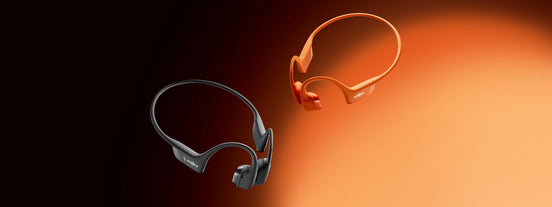
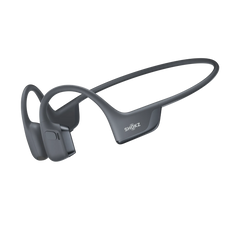
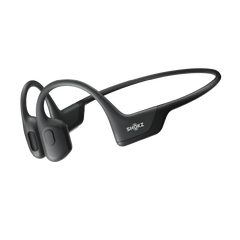
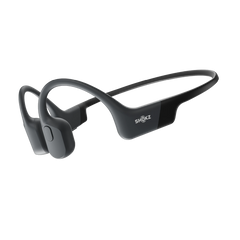
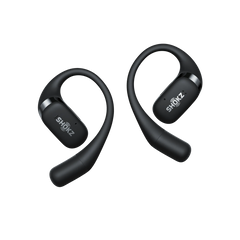
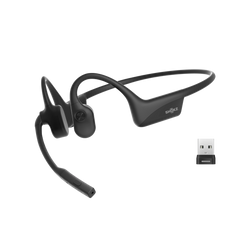
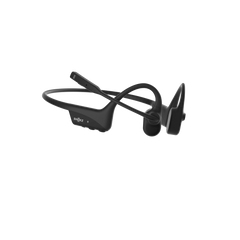
The Shokz OpenFit Pro is a strong option for anyone chasing top rated headphones for gym use, especially if you’re sick of the usual sealed-earbud problems. The open-ear design sidesteps the “fit lottery” that makes some earbuds constantly slip or feel gross once you start sweating — while still delivering punchy audio that keeps you moving.
At just 12.3g per bud, they’re light enough to reduce bounce during high-impact sets. Shokz SuperBoost™ tech, paired with Dolby Atmos, delivers a big, energetic sound without needing to jam silicone tips deep into your ear canal.
Gym-friendly features include:
- Active Open-Ear Noise Reduction: Cuts background hum while still keeping you aware of what’s happening around you.
- IP55 Water and Sweat Resistance: Built to handle brutal, sweat-soaked sessions.
- 60 Hours Total Battery: The case keeps you going for ages, so there’s less cable faff.
- Bluetooth 6.1 with Multipoint: Switch between your playlist and a call without headaches mid-session.
- Ultra-soft Silicone™ 2.0: Sits comfortably on the ear without that “clamped” feeling over long workouts.
The open-ear approach is also a genuine safety win. You can still hear coaching cues, clanging plates, and other members moving around you — which matters on a busy gym floor. And DirectPitch™ tech helps keep your music directed to your ears, rather than blasting your playlist to everyone in the weights area.

Final Thought
Good headphones for gym solve specific problems — they don’t need every feature under the sun. Stability during movement, sweat resistance, and reliable controls matter more than driver size. Once the fit is right, every other feature becomes more effective.
Prioritise the basics: secure fit, adequate protection, and simple controls. You can always refine later once you’ve trained consistently and you know what you genuinely need. Choose sports headphones that work as hard as you do, and you’ll avoid a lot of unnecessary hassle.
Frequently Asked Questions
1. Are Shokz headphones good for the gym?
Yes. Shokz designs suit gym environments well. Open-ear models keep situational awareness while still delivering solid sound. An IP55 rating handles heavy sweat, physical controls work with wet fingers, and the lightweight build helps reduce bounce.
2. Is IP54 enough for sweat?
IP54 is basic protection and sits on the lower end for serious training. It can handle lighter sweat, but intense sessions may push it. IP55 offers noticeably better protection for sustained moisture exposure.
3. What’s the difference between sweatproof and waterproof?
“Sweatproof” usually means resistance to perspiration — roughly around IPX4-style protection. “Waterproof” implies stronger resistance to heavy exposure or submersion, starting around IPX7. For gym use, sweatproof is often enough, but waterproof ratings add extra insurance.
4. Can I wear these headphones comfortably with glasses or a gym headband?
It depends on the design. Some over-ear hooks can clash with glasses arms and create pressure behind your ears. Open-ear styles often work better with accessories because they don’t fight for the same space. Try your real combo (glasses, headband, cap) if you can.
5. What IP rating should I look for in gym headphones?
IPX5 is a practical minimum for regular gym training. It handles sweat from any angle and can survive light rain. Lower ratings can work for light activity, while higher ratings matter more for submersion — which isn’t usually relevant in the gym.