






We all experience a wide range of emotions every day — excitement, frustration, calm, or sadness. But how often do we actually pause to name and understand those feelings? Emotional awareness is key to mental wellbeing, and tools like the emotion wheel make it easier to explore your inner world.
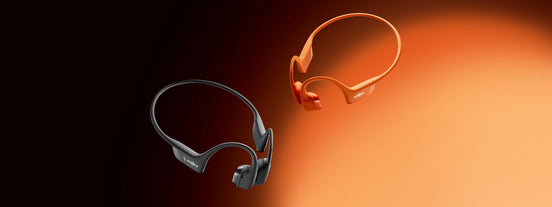
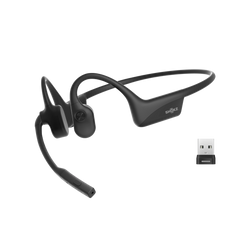
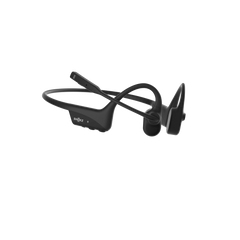
When paired with open-ear headphones such as OpenDots ONE, this simple yet powerful tool transforms emotional reflection into a daily self-care practice. Let’s explore how sound and mindfulness can help you connect more deeply with yourself.
1. Understanding the Emotion Wheel
What Is an Emotion Wheel?
The emotion wheel, developed by psychologist Robert Plutchik, is a visual map of human emotions. It helps you identify and articulate how you feel, moving beyond vague terms like “good” or “bad.” According to the American Psychological Association, labeling emotions precisely improves emotional regulation — your ability to manage reactions to feelings.
In essence, the emotion wheel transforms confusion into clarity. Instead of saying “I’m upset,” you can pinpoint whether you feel “frustrated,” “disappointed,” or “hurt,” making it easier to respond constructively.
How the Emotion Wheel Works
The wheel is organized in layers: primary, secondary, and tertiary emotions:
- Primary emotions: Core feelings such as joy, anger, fear, sadness, surprise, and disgust.
- Secondary emotions: More specific feelings derived from the primary ones, like affection, annoyance, or anxiety.
- Tertiary emotions: The most nuanced layer, highlighting subtle distinctions (e.g., affection vs. adoration).
By tracing emotions outward on the wheel, you gain deeper awareness of what you’re truly feeling and why — a key step toward emotional intelligence.
Benefits of Using the Emotion Wheel in Daily Life
Regularly using the emotion wheel can offer numerous benefits:
- Improved communication
- Reduced stress
- Greater mindfulness
Pairing emotional check-ins with calming music or ambient sound played through open-ear headphones can amplify these benefits, turning awareness into a soothing daily ritual.
2. Using the Emotion Wheel for Emotional Awareness and Wellbeing
How to Use the Emotion Wheel
You don’t need professional training to benefit from this tool. Here’s a step-by-step guide on how to use the emotion wheel effectively:
- Pause and notice how your body feels.
- Identify your strongest emotion from the wheel.
- Reflect on what caused it.
- Choose your response — rest, movement, or mindful listening.
This quick exercise takes only a few minutes but can significantly increase self-awareness and reduce emotional reactivity.
Pairing the Emotion Wheel with Sound or Music
Research from Harvard Health suggests that listening to music can ease anxiety, boost mood, and enhance focus. Combining music with emotional reflection deepens self-connection — and this is where open-ear headphones shine.
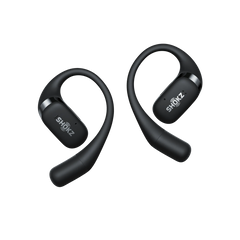
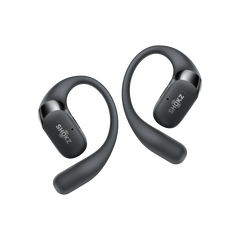
Unlike traditional earbuds that block your ears, open-ear designs like OpenDots ONE rest comfortably outside the ears. This allows you to stay aware of your surroundings while listening to calming playlists or guided meditations. Whether walking, journaling, or meditating, open-ear listening keeps you grounded in both sound and reality.
Practical Examples of Emotional Check-Ins
Here are ways to incorporate emotional awareness into your daily life:
- Before journaling: Name your feelings using the emotion wheel, then write while listening to soft music.
- During meditation: Observe your emotions as they arise without judgment.
- After a stressful day: Reflect on your emotions while enjoying calming sound through open-ear headphones.
Combining emotional tools with mindful listening creates space to process feelings while staying connected to your environment.
3. Why Open-Ear Headphones Elevate Emotional Wellness
The Role of Sound in Emotional Regulation
Music can shift emotional states, and open-ear headphones enhance this effect by blending inner and outer worlds — grounding you while uplifting your mood.
Benefits of Open-Ear Headphones and Open Earbuds
OpenDots ONE, with the slogan “Light Clip, Powerful Sound,” is designed for all-day wellness:
- Open-ear comfort for pressure-free listening
- Situational awareness to stay connected
- Immersive, balanced audio
- Up to 40 hours of playback
Learn more about open-ear audio technology and how it promotes safe, mindful listening.
Integrating Open-Ear Listening into Daily Self-Care
Make emotional wellness part of your routine by:
- Listening to mood-specific playlists that match your emotions.
- Taking mindful walks with open-ear headphones.
- Pairing the emotion wheel with music during journaling or yoga.
This combination of awareness, movement, and sound transforms how you engage with emotions — with empathy, clarity, and calm.
4. FAQs About Open-Ear Headphones and Emotion Awareness
Q1: What’s the best way to use the emotion wheel for self-reflection?
A: Name your emotion using the wheel, reflect on its cause, then choose music or breathing techniques to balance it.
Q2: Can music really help me process emotions?
A: Yes. Research shows that rhythm and melody can regulate mood, relieve stress, and enhance self-awareness.
Q3: Why choose open-ear headphones for mindfulness or emotional balance?
A: They allow you to hear your surroundings while staying immersed in sound, supporting safe and mindful listening.
Q4: How often should I check in with my emotions?
A: Even a few minutes daily can build emotional awareness. Consistency is more important than duration.

5. Take the Next Step Toward Emotional Awareness and Self-Care
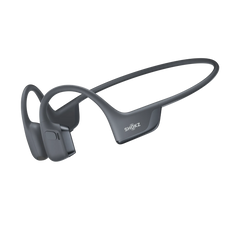
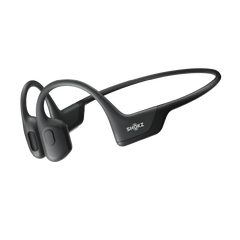
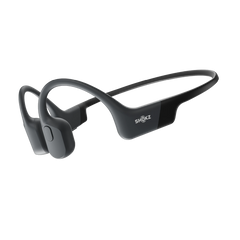
Understanding your emotions is a daily practice. By combining the emotion wheel with Shokz Open-Ear Headphones, you create a mindful space for reflection without disconnecting from your surroundings.
OpenDots ONE makes this effortless — lightweight, powerful, and designed for wellbeing. 👉 Explore OpenDots ONE or Shop Shokz Open-Ear Headphones to begin your sound-inspired self-care journey today.