













Stuck in a bit of a rut with your marathon training regimen? You’re banking the kilometres week after week, race day is getting closer, but your long-run pace just won’t budge. The issue usually isn’t your grit or your total mileage. More often, it’s that many plans treat every long run the same — and miss the small adjustments that separate “getting it done” from running genuinely well.
In this guide, we break down a “level-up” approach to a 16 week marathon training plan. You’ll learn how to turn standard long runs into targeted sessions that build real race-day speed. And because training isn’t just about running, we’ll also touch on fuelling, recovery, injury prevention, plus best earbuds for running and sports headphones that make those endless kilometres feel a lot more manageable. By the end, you’ll have a complete system — a practical marathon training plan that gets you ready to toe the line with confidence.
Part 1. Why your current marathon training isn’t working
If you’ve hit a plateau, it’s often because your training has become too predictable. It’s easy to fall into a comfortable routine that stops challenging your body to adapt.
Repeating the exact same long run every week doesn’t do much for fatigue resistance. You might get a rough feel for pacing, but your legs never truly learn how to lift when it matters — late in the race, when everything starts to bite.
Another common mistake is following a generic marathon exercise plan without tailoring it to real life — work stress, how quickly you recover, or old niggles that flare up as the volume climbs. A smarter approach keeps the long run as the anchor of your week, but gives every session a clear job to do.

Part 2. The “Level Up” strategy: 3 advanced long-run workouts
To make long runs actually move the needle, every kilometre needs a purpose. These three workout types add the right variety while building race-specific fitness.
1. The fast-finish long run
Run most of the session at an easy aerobic pace. Over the final 5–8 km, gradually lift to your goal marathon pace (GMP) — or slightly quicker if you’re feeling strong. This teaches your body to hold effort as glycogen drops and fatigue starts stacking up.
Fast-finish runs also replicate that late-race feeling of passing runners who are fading. Mentally, they build confidence that you can stay composed. Physically, they train your muscles to recruit “fresh” fibres after hours on your feet.
2. The surge long run
This involves adding short, controlled bursts throughout a longer run. For example: jog 22–23 km easy, but scatter six 90-second surges at tempo effort through the middle 16 km. Always return to easy pace between surges.
Surge sessions prepare you for real race-day variables: closing gaps, responding to moves, or staying with a pacing pack. They also improve how quickly you can recover back to aerobic effort after a hard push.
3. The progressive long run
Split the run into thirds, with each section slightly faster than the last. The first third is easy, the middle third is steady aerobic, and the final third approaches or reaches marathon pace. It mirrors smart race execution and forces disciplined pacing from the start.
Progressive runs teach restraint when you’re fresh and intent when you’re tired. They build mental toughness because you must stay focused across changing effort zones. They’re best placed in your peak weeks, when fitness is high and fatigue management becomes critical.
Part 3. Your 16 Week Marathon Training Plan: Step-by-Step Guide
This 16 week marathon training plan is built to move you steadily from early base miles all the way to race-day sharpness. Each phase has a clear job to do, so try not to reshuffle the order just because you’re feeling good (or impatient). Trust the progression — and more importantly, trust the process. This is the backbone of a solid marathon training plan and a practical marathon training regimen you can actually stick with.
1. Weeks 1–4: Base building and aerobic foundation
These weeks are all about easy aerobic miles. Your long runs should build from 10 miles to 14 miles, kept at a pace where you can still hold a proper conversation. Midweek stays short — 4 to 6 miles is plenty — but the key is consistency across your four running days. No hero moves, no tempo yet. Just get the miles in the bank.
This block matters because it builds mitochondrial density and improves capillary development. In plain terms: you’re strengthening the engine and letting your cardiovascular system and joints toughen up gradually. If you rush intensity now, you’re inviting injuries — or building a “thin” fitness base that won’t hold up once the real work begins.
- Week 1: Long run 10 miles, total volume 25 miles
- Week 2: Long run 11 miles, total volume 27 miles
- Week 3: Long run 13 miles, total volume 30 miles
- Week 4 (Recovery week): Long run 14 miles, total volume 26 miles
2. Weeks 5–10: Introducing intensity
Now you start stretching long runs out to 18 miles and adding structure. Every other weekend, alternate between a fast-finish long run and a surge session. Midweek, it’s time to introduce a tempo run (about 20–30 minutes at a “comfortably hard” effort), plus an interval session like 6×800 m or 5×1000 m at your 5K pace.
- Week 5 (Fast finish): Last 3 miles at GMP
- Week 6: Standard long run, add a midweek tempo
- Week 7 (Surge session): 16 miles with 5×90 seconds hard
- Week 8 (Recovery week): Long run 14 miles easy
- Week 9 (Fast finish): Last 4 miles at GMP
- Week 10: Introduce the progressive long run — 18 miles split into thirds
This is the phase where you sharpen your lactate threshold and VO₂ max. You’re teaching your body to clear metabolic by-products while still moving at a decent clip. Just remember: recovery now matters as much as the training itself. Keep that weekly rest day — ideally after your hardest session.
3. Weeks 11–14: Peak training block
These are the highest-stress weeks — the block that builds marathon durability. Long runs reach the 20–22 mile range, and you still keep those quality midweek sessions in place.
- Week 11: Progressive long run 20 miles
- Week 12 (Fast finish): 19 miles, last 5 miles at GMP
- Week 13 (Surge session): Peak mileage week — 22 miles with 8×90 seconds
- Week 14 (Recovery week): Long run 16 miles easy
You’re going to feel properly tired here — and that’s normal. Fatigue is part of the marathon exercise plan, so prioritise sleep and get your nutrition dialled in. The goal isn’t to feel “fresh” right now; it’s to safely overload the system. Trust that the taper will let all that work show up on race day.
4. Weeks 15–16: The taper and recovery
You’ll cut mileage by roughly 40%, while keeping just enough intensity so you don’t feel sluggish.
- Week 15: Long run 12 miles with the last 3 at GMP, plus one short midweek tempo
- Week 16 (Race week): Two easy 4-mile runs early, total rest 2 days before the race, and a quick 20-minute shakeout jog the day before
Tapering is a mental game. Your legs start to feel springy and you’ll want to test them — don’t. The work is already banked. Extra miles now only add fatigue without adding fitness. Use the time to sleep well, eat well, and mentally rehearse your race.
Show up on the start line fresh, fit, and ready to go. If music helps you stay locked in, this is also the perfect time to finalise your race-day setup — from gels to sports headphones or the best earbuds for running — so nothing surprises you when it counts.
Part 4. Nutrition and Hydration: Fuelling Your Marathon Training
What you eat is basically the fuel for the engine. If your nutrition isn’t sorted, you won’t just struggle through the miles — you’ll also find it much harder to bounce back between sessions. For any solid marathon training plan (especially a 16 week marathon training plan), good fuelling is what lets you train consistently and actually absorb the work.
1. What to eat before, during, and after long runs
Before you head out: Aim for roughly 250 calories of carbs. Something simple like oats with a banana works well for most runners. The main thing is to avoid meals that are high in fat or heavy on protein right before running — they tend to sit in your stomach and make the first few kilometres feel rough.
During the run: Once you’re going past 75 minutes, you need to top up the tank. A good target is around 50g of carbs per hour. Whether you use gels, chews, or a sports drink, practise this during your long runs — don’t leave it to race day. Treat it as part of your marathon exercise plan, not an optional extra.
After you finish: Try to get about 20g of protein plus some quick carbs within 30 minutes. Chocolate milk can work, but so can a simple sandwich (chicken is a common go-to) or a protein shake with fruit. The goal is recovery you can repeat week after week, not a perfect “one-off” meal.
2. Staying hydrated during marathon training
Even mild dehydration can wreck a run. Losing as little as 2% of body weight through sweat is enough to make the effort feel significantly harder — and it can slow recovery too.
Most days, drinking to thirst works fine, and urine colour is a useful quick check (very dark usually means you’re behind). On long-run days, start sipping water in the hour before you head out. Once you’ve been running for over an hour, aim for about 200ml every 20 minutes. If you’re going beyond 90 minutes, it’s worth switching to electrolytes to replace the salts you’re losing through sweat — especially in warmer conditions.
Part 5. Injury prevention and recovery strategies for marathon training
Managing load — and actually listening to your body — is what keeps a training block from turning into a frustrating stop-start cycle. A smart marathon training regimen isn’t just about pushing hard; it’s about staying healthy enough to keep turning up.
1. Common marathon injuries and how to avoid them
Issues like runner’s knee or Achilles flare-ups often start because your glutes and hips aren’t doing their share. Add some single-leg strength work each week — Bulgarian split squats and step-ups are great. And if you sit at a desk most of the day, make a habit of stretching your hip flexors daily.
Keep an eye on your shoes as well. After around 500 kilometres, cushioning is often noticeably reduced. Rotating between two pairs is a smart move — it gives the foam time to rebound and spreads the load a bit differently. Most importantly: don’t ignore warning signs. If pain is getting worse during a run, stop. Missing a few days now is far better than losing a month later.
2. Recovery tips to keep you strong
Sleep is the best recovery tool you’ve got. If you can, aim for 8–9 hours — it’s when your body actually repairs and your nervous system settles.
Active recovery helps too. A steady 20-minute easy jog the day after a hard session can loosen the legs without adding stress. Foam rolling or massage can reduce muscle tension — spend a couple of minutes on the main muscle groups, but avoid rolling directly over joints. The key principle is simple: keep easy days easy. Don’t turn them into “secret workouts”. They’re there to get blood moving and set you up for the next quality session.
If you like running with music, make your setup part of your routine as well — reliable sports headphones or the best earbuds for running can make long runs feel smoother, especially when you’re training solo.
Part 6. Essential gear to support your marathon exercise plan
The right kit won’t run the miles for you, but it can absolutely stop them from feeling like a grind. A few smart gear choices now will pay off when you’re deep into the peak weeks of your marathon training plan and the legs are carrying real fatigue.
1. Running shoes and socks that prevent pain and blisters
Don’t just buy whatever looks good online. Pop into a specialist running store and get a proper gait assessment — they’ll look at your foot strike and arch support needs to help you land in the right trainers. Rotating between two pairs is also a solid move: it gives the foam time to rebound and helps your legs avoid adapting to one identical loading pattern.
Keep an eye on wear and tear and replace shoes roughly every 500 miles (give or take, depending on your bodyweight and where you run). Once cushioning is cooked, you’re on the fast track to shin splints or cranky knees.
And ditch cotton socks. Go for technical socks made from merino wool or synthetics that wick sweat and reduce friction — that’s the real secret to avoiding nasty blisters across a 16 week marathon training plan.
2. Hydration and fuel gear for long runs and race day
A handheld bottle is fine for a short loop, but once you’re running longer than 90 minutes, a hydration vest is often more comfortable and spreads the weight better. Use your long runs to test your setup — you want to be able to grab a gel or chew smoothly without fumbling, especially when you’re tired and trying to hold pace late in the run. Treat this as part of your marathon training regimen, not something you leave to chance on race morning.
3. Running earbuds for long runs, comfort, and awareness
The right playlist can turn a tough 20-miler into something manageable. But standard earbuds can be more hassle than help — they slip the moment you sweat, or they block out traffic and other runners.
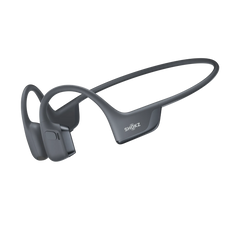
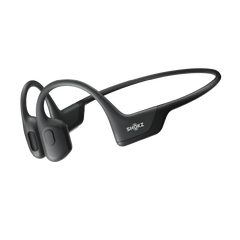
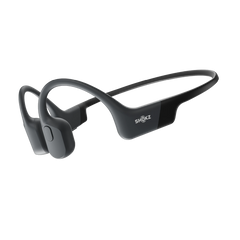
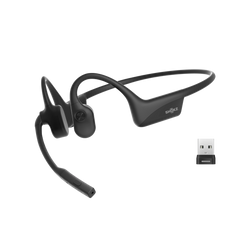
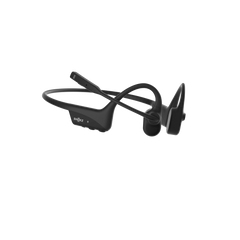
That’s where open-ear tech really earns its place. The Shokz OpenRun Pro 2 is widely seen as one of the best earbuds for running, especially for marathon training. Because it doesn’t block your ears, you get clear audio while staying aware of bikes, cars, and runners coming up behind you — exactly what you want when you’re doing long efforts on shared paths.
The titanium frame stays secure through wind and rain, and at just 30.3 grams, it’s easy to forget you’re even wearing it. With a 12-hour battery, it’ll comfortably cover long runs — even on the slower days when you’re on your feet for ages. Here’s why it’s a strong choice as sports headphones for marathoners:
- IP55 water resistance: Built to handle sweat and wet conditions without crackling or drop-outs.
- Dual noise-reducing mics: Handy if you need to take a quick call without stopping.
- Bluetooth 5.3 + multipoint: Connects to your phone and running watch at the same time.
- Two frame sizes: Standard and Mini options for a snug fit without bounce.
- Physical buttons: Easy to use with sweaty hands — skip tracks or adjust volume without breaking stride.
Practise with your race-day playlist during long runs. Start with calmer tracks, bring in higher-energy beats for the middle grind, and save your absolute favourites for the final push. Keep the volume sensible so you can still hear what’s happening around you.
Conclusion
A successful marathon training plan is about more than ticking off miles. It’s the structured sessions that build speed, the fuelling that keeps you moving, and the discipline to rest when your body needs it. This 16 week marathon training plan is your roadmap from base miles to a sharp, refreshed taper.
Gear matters when you’re out there for hours. The Shokz OpenRun Pro 2 can be a genuine difference-maker for long runs, giving you the battery life and open-ear awareness that helps you stay safe and motivated. Get the prep right, pick the right gear, and you’ll hit the start line ready to show what you can do.

Frequently Asked Questions About a Marathon Exercise Plan
1. Is it possible to train for a marathon in 16 weeks?
It depends on your starting point. If you’re already running around 20–30 miles a week, then 16 weeks is usually enough time to build towards race day. A lot of runners who’ve just finished a half marathon training plan find that stepping up to a full marathon over 16 weeks is a natural next move.
But if you’re starting from scratch, 16 weeks can be a big ask. Don’t skip the base phase — that’s where your joints, tendons and overall durability catch up with your ambition. A smart marathon training plan starts with consistency first, not intensity.
2. How often should I do advanced long-run workouts in a 16-week marathon training plan?
Most runners do best with one “level-up” long run every other week during the build and peak phases. That gives you the race-specific stimulus (fast-finish, surges, or progressive pacing) without turning every long run into a stress-fest. On the alternate weeks, keep the long run easy and aerobic so you can recover and still hit your midweek quality sessions (tempo/intervals).
A simple rule: only progress one lever at a time—either distance or intensity. If your legs feel beat up, swap the workout long run for an easy long run and protect consistency. That steady rhythm is what makes the plan sustainable and gets you to the start line healthy.
3. What is the 10-10-10 rule for marathon?
It’s a mental strategy to stop you going out too hard. You break the race into three parts:
- The first 10 miles (The Head): Stay disciplined. Don’t let adrenaline, crowds, or a fast pack pull you into a pace you can’t hold.
- The middle 10 miles (The Training): This is where you trust the miles you’ve banked in your marathon training plan. Keep it steady and controlled.
- The final 10k (The Heart): This is where it gets real. Now you dig deep, stay present, and use what you’ve got left.
4. How do I calculate my Goal Marathon Pace (GMP)?
One of the most reliable ways is to use a recent half-marathon time as a benchmark. Multiply your half-marathon finish time by 2.1 to get a realistic marathon prediction.
Example: A 1:45 half marathon (105 minutes) suggests roughly 3:40 for the marathon (220 minutes). This accounts for the pace fade that typically happens over the final miles. If you want more detail, a pace calculator can map out splits per mile (or per km) to guide your pacing.
5. Should I listen to music during the hard segments?
For many runners, music is a lifesaver on long, solo efforts — it can make tough kilometres feel manageable. That said, some runners prefer silence during hard segments so they can focus on breathing and rhythm.
If you do like music, open-ear sports headphones can be a smart choice. The Shokz OpenRun Pro 2 is popular because it doesn’t block your ears, so you can keep your playlist going while still hearing a coach, other runners, or traffic. You get the motivation without giving up situational awareness — which is exactly what you want during a structured marathon exercise plan.