






What Does “Good Health” Actually Include?
Modern Health Is More Than Diet and Exercise
Good health today depends on foundations many people overlook:
- Consistent sleep patterns and circadian rhythm support
- Mental health practices and stress awareness
- Sensory and digital hygiene
- Everyday safety habits
- Emotional and social stability
You can eat perfectly and still feel unwell if you sleep poorly, over-scroll, listen at unsafe volumes, or carry chronic stress.
Environmental & Technology Choices Shape Long-Term Wellness
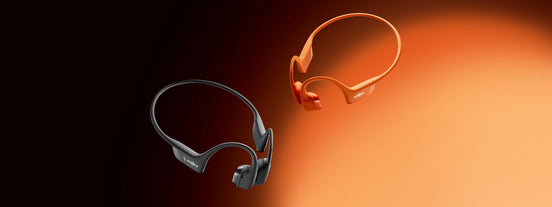
Our everyday tech habits shape our bodies and nervous systems. Loud sealed earbuds, nonstop notifications, and digital overload can elevate stress hormones and fatigue the senses. As a result, healthy lifestyle tips now include safe audio behavior—listening without blocking the ear canal, reducing over-isolation, and choosing devices that protect long-term ear health.
2. How Important Is a Balanced Diet for a Healthy Lifestyle?
Eating Patterns Affect Mood, Energy, and Longevity
Nutritional balance supports both body and mind. Stable eating patterns improve:
- Mental clarity and positive mood
- Immune strength
- Hormone and sleep regulation
- Long-term disease prevention
Building Balance Instead of Restriction
A sustainable healthy lifestyle means adopting habits that last:
- Choose variety instead of strict restriction
- Focus on portion awareness without obsessing
- Build steady routines rather than “perfect” weeks
- View food as nourishment, not a test of discipline
3. How Important Is Staying Active for a Healthy Lifestyle?
Movement as Medicine: Physical and Cognitive Benefits
Daily motion is one of the strongest predictors of long-term wellbeing. Even 20–30 minutes of walking or low-impact exercise improves cognition, reduces disease risk, and supports emotional balance.
Active Routines Need Safety and Awareness
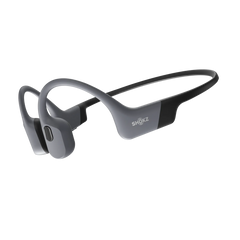
Outdoor activity demands sensory awareness. Running or cycling with sealed earbuds can isolate you from traffic and people nearby. Open-ear headphones help maintain environmental awareness while delivering clear audio—an essential part of safe, sustainable movement routines.
Learn more about safe listening: Explore Open-Ear Headphones
4. More on Personal Development and Everyday Health Habits
Stress Management and Mental Fitness Matter as Much as Cardio
A structured workout routine cannot compensate for unmanaged stress or mental fatigue. Key elements of holistic health include:
- Journaling or speaking with a therapist
- Breathing techniques
- Screen-time boundaries
- Intentional quiet time and digital resets
Healthy Sensory Inputs: Safe Listening as a Lifestyle Choice
Sensory overload can contribute to anxiety and tension. Using devices that reduce ear canal pressure and listening fatigue improves daily comfort and long-term wellness.
Why Open-Ear Headphones Align with a Healthy Lifestyle
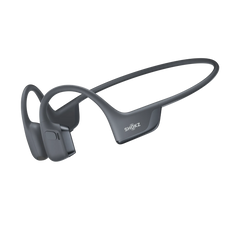
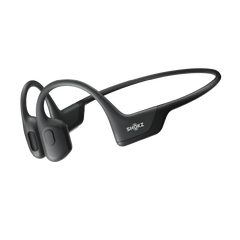
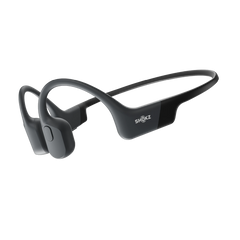
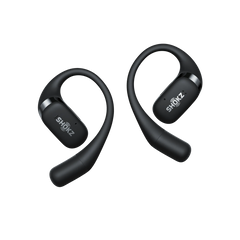
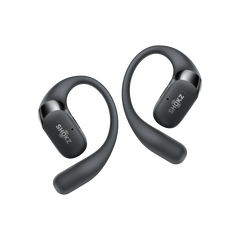
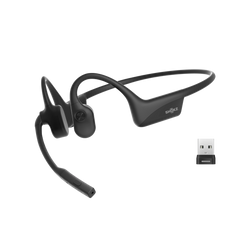
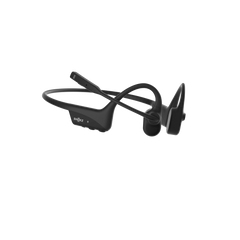
Devices like OpenDots ONE are designed to complement a modern healthy lifestyle because they:
- Maintain full awareness of surroundings
- Protect the ear canal by avoiding direct insertion
- Reduce sensory isolation and stress
- Support safer listening for workouts, commutes, and relaxation
Discover product details: OpenDots ONE
5. Healthy Lifestyle Tips You Can Start Today
Swap Closed Buds for Open-Ear Headphones in Daily Use
A small change in listening habits can greatly reduce ear fatigue and promote daily sensory balance. Explore supportive technology: Open-Ear Audio Technology
Combine Movement with Mindful Audio Instead of Loud Isolation
Pair walking with light audio—podcasts, affirmations, or nature-inspired soundscapes—rather than high-volume listening. This supports nervous system regulation while keeping you connected to your environment.
Build Micro-Habits Instead of Overhauls
Meaningful change comes from small, consistent shifts:
- Add 10 minutes of movement
- Replace one processed meal with something fresh
- Set a five-minute wind-down routine at night
- Use open-ear earbuds to reduce sensory strain
Incremental progress leads to sustainable outcomes.

FAQs: Healthy Lifestyle & Open-Ear Headphones
Q — Are open-ear headphones better for ear health than traditional earbuds?
A — Yes. They reduce canal pressure, allow airflow, and prevent irritation from prolonged insertion.
Q — Can open earbuds improve safety during outdoor workouts?
A — Absolutely. They let you hear vehicles, cyclists, and pedestrians while still enjoying audio.
Q — Do healthy lifestyle tips need to be complicated?
A — No. Simple, consistent habits have greater impact than extreme routines.
Q — Can sound or audio habits influence wellness?
A — Yes. Listening volume, device type, and sensory isolation all affect stress, focus, and mental balance.