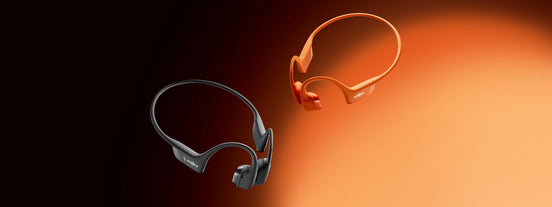

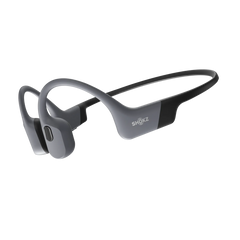


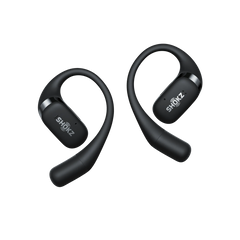
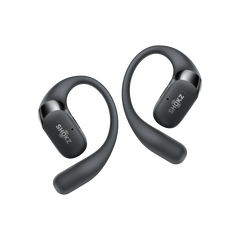


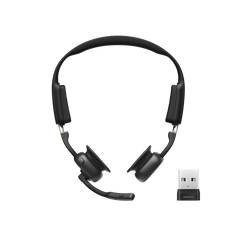
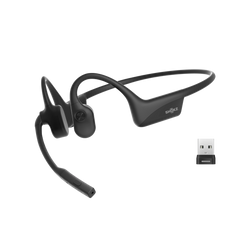
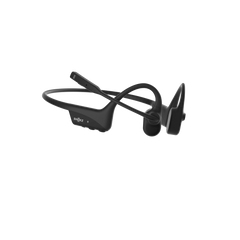


Music is a massive motivator on the bike — but not if your sports headphones are digging into your temples under a helmet, or cutting out the second you hit a bit of drizzle. This guide breaks down what to look for in the best headphones for cycling: gear that can handle Aussie conditions, stays comfortable under a lid, and keeps your playlist going on long rides. After that, we’ll run through specific models worth considering if you’re chasing the best cycling headphones for 2026.
Part 1. Why Cycling Headphones Matter for Road Safety and Riding Joy
The kit you choose directly affects how aware you stay when you’re pedalling through traffic. Get the balance right and riding becomes both safer and more enjoyable.
1. Hear Traffic Without Losing Your Music
Sealed in-ear buds can create a risky sensory barrier by blocking vital ambient sounds like sirens, horns, or accelerating engines. Modern open-ear designs solve this by sitting outside the ear canal, letting external sound reach you naturally alongside your music. That awareness can buy you precious extra seconds to adjust your line, check a shoulder, or react to a car creeping up beside you — which is exactly why many riders now prefer open-ear cycling headphones.
2. The Right Headphones Make Long Rides Feel Easier
A good playlist is a huge psychological boost — it can make a long loop feel like a quick spin. When your headphones for cycling sit flush under your helmet without shifting, you can forget they’re there and focus on the road. And a battery that doesn’t quit mid-ride saves you from the absolute nightmare of your music dying right as you hit a long climb.

Part 2. The Best Cycling Headphones in 2026: Top Picks by Category
Riders have different needs — from busy city streets to windy country roads. Here are our picks, matched to the kind of riding where they shine.
1. Best Overall Cycling Headphones: Shokz OpenFit Pro
The Shokz OpenFit Pro is a top all-rounder for riders who want premium sound without losing connection to the road. The nickel-titanium ear hooks are the real highlight: flexible enough to mould to your ear, but strong enough to keep everything locked in — even when you’re out of the saddle pushing hard during high-intensity intervals.
- Audio Performance: Optimised for Dolby Atmos with Shokz SuperBoost™ tech. The sound is punchy and spacious, with a bigger soundstage than you’d expect from an open-ear design.
- Battery Life: 12 hours per charge, plus up to 50 hours with the case — ideal if you’re heading away for a few days and don’t want to stress about charging.
- Call Quality: Six built-in mics help reduce wind and road noise so you can still be heard clearly, even when you’re rolling fast.
- Durability: IP55-rated, built for sweat, dust, and the kind of sudden weather shifts you can get on Aussie rides — from humid mornings to unexpected showers.
- Connectivity: Bluetooth 6.1 with multipoint pairing and wear detection for smoother switching between devices.
2. Best Open-Ear Option for Safety: Shokz OpenFit 2
If staying aware is your priority, the Shokz OpenFit 2 series is well worth a look. They feel genuinely lightweight, but the sound doesn’t fall apart in wind. DualBoost™ tech pairs an extra-large driver to keep bass present, while a second unit holds vocals steady — so you get music enjoyment without losing awareness of what’s happening around you.
- Lightweight Comfort: 9.4g earbuds with Ultra-Soft Silicone™ 2.0 to reduce fatigue on longer rides.
- Secure Fit: Redesigned “golden curve” ear hooks help prevent shifting during sudden manoeuvres or rough patches of road.
- Daily Utility: 11 hours per charge (48 hours total with the case). Physical buttons are easy to use when you’re sweaty or wearing gloves.
- Premium Variation: The OpenFit 2+ adds Dolby Audio for a fuller sound and wireless charging for easier top-ups at home.
- Specs: IP55 rating plus four AI-powered mics for clearer communication over traffic noise.
3. Best for Windy Outdoor Rides: Suunto Wing 2
Dealing with a proper headwind is just part of riding in Australia — especially on exposed coastal roads, open plains, or any route where the breeze turns into a full-on crosswind. That’s where the Suunto Wing 2 stands out. It keeps your ears completely open (which is a big safety win), and the bone-conduction setup is designed so wind doesn’t trash your audio the moment you pick up speed. It also stays locked in place under a helmet and holds its sound quality even when you’re flying along.
Why it works so well for windy rides:
- Bone Conduction Advantage: These deliver sound via vibrations through the skull, so you’re not sealed off from the road. You get your music, but you can still hear approaching engines and changes in traffic.
- Rugged Build: With a tough IP66 rating, they’re built to handle sweat, dust, and the kind of sudden weather shifts you can cop on long rides — plus road grit when conditions turn rough.
- Stability: The lightweight frame balances the 35g weight well, reducing hotspots under your helmet on longer sessions.
- Performance: 12 hours of playback is plenty for a big day out, and the included power bank can add up to 24 more hours if you’re heading off-grid.
- Safety: Customisable side LEDs are genuinely handy for early starts, twilight rides, or late commutes — especially if you’re sharing the road.
4. Best for Long Commutes: Jabra Elite 10 Gen 2
If you’re bouncing between bike lanes, public transport, and work calls all day, the Jabra Elite 10 Gen 2 is worth a look. They aren’t fully open like bone-conduction models, but the semi-open design avoids that “plugged” pressure you can get with sealed tips. The clever part is adjustable ANC — you can dial the outside world in or out depending on where you’re riding and what you need at that moment.
Why they suit long commutes:
- Hybrid Awareness: Switch between Natural HearThrough for awareness on the road, then crank up Advanced ANC™ once you’re in the office and want focus.
- Compact Comfort: At just 5.5g each, they’re light and comfy. They do block the ear canal a bit, so they’re not as open as true open-ear best cycling headphones picks — but they’re a good middle ground.
- Specs: With an IP57 rating, they can handle sweat and rain without stress, and the 6-mic system helps your voice cut through traffic noise during calls.
- Battery: Around 8 hours with ANC on, up to 36 hours total with the case.
5. Best Budget Cycling Headphones: Tozo Open EarRing
If you’re trying open-ear tech for the first time and don’t want to spend big, the Tozo Open EarRing is a solid entry point. It uses a clip-on design that keeps you aware of what’s happening around you. It’s not as refined as premium sports headphones, but it’s much cheaper — and still gets the basic job done for casual rides.
Why it’s a good budget pick:
- Design: At 5.1g per bud, they’re featherlight. The clip-on fit keeps them secure without digging in.
- Basic Performance: 10 hours per charge is enough for a long afternoon ride. Just keep in mind the rating is only IPX5 — fine for sweat and light rain, but not ideal if you get caught in a proper downpour.
- Value: A simple way to test whether open-ear headphones for cycling suit you before jumping to higher-end models.
|
Feature |
OpenFit Pro |
OpenFit 2/2+ |
Suunto Wing 2 |
Jabra Elite 10 Gen 2 |
Tozo Open EarRing |
|
Design |
Open-Ear TWS |
Open-Ear TWS |
Bone Conduction |
Semi-Open TWS |
Clip-On Open-Ear |
|
Weight |
12.3g (Per Bud) |
9.4g (Per Bud) |
35g (Total) |
5.5g (Per Bud) |
5.1g (Per Bud) |
|
Battery |
~12h (50h Case) |
~11h (48h Case) |
~12h (36h Powerbank) |
~8h (36h Case) |
~10h (40h Case) |
|
Water resistance |
IP55 |
IP55 |
IP66 |
IP57 |
IPX5 |
|
Mics |
6 AI-Powered |
4 AI-Powered |
2 Noise-Cancelling |
6 Mics |
2 Mics |
|
Best for |
Premium All-Round |
Safety-Focused |
Windy Conditions |
Long Commutes |
Budget Option |
|
Price-Performance rating |
4.6/5 |
4.1/5 |
4.2/5 |
4/5 |
5/5 |
Part 3. What to Look for in the Best Cycling Headphones for Your Ride
Choosing headphones for cycling isn’t just about sound quality — it’s about features that actually improve safety, comfort, and usability out on Aussie roads and bike paths. Here’s what genuinely matters when you’re shopping for the best headphones for cycling.
1. Safety and Situational Awareness
From busy city streets with car doors swinging open, to quieter routes where you might run into a loose dog or a sudden ute passing close, hearing what’s happening around you matters. That’s why open-ear and bone conduction designs are so popular — they don’t block your ear canal, so you can keep your music and your awareness at the same time. For many riders, that’s the whole point of good cycling headphones.
2. Stable and Comfortable Fit Under a Helmet
Your sports headphones should work with your helmet and sunglasses, not fight them. Thinner designs that sit flatter are usually more comfortable on longer rides, especially under a snug lid. Wraparound or ear-hook styles are a strong option because they stay put and don’t shift around when you’re out of the saddle or pushing hard.
3. Protection Against Wind, Sweat, and Rain
Look for at least an IP55 rating to handle sweat and light showers. If you ride no matter what the forecast says — think sudden summer storms or long wet commutes — IP67 is the safer bet. It’s much more reliable when you’re caught out in the rain for an hour and don’t have the option to call it early.
4. Controls That Work While Riding
Touch controls can be a nightmare with cycling gloves or sweaty hands. Proper physical buttons are usually better because you can feel the click — no fumbling around when you should be watching the road.
Part 4. Set Up Your Headphones for Cycling the Right Way
Even the best cycling headphones can be annoying if they’re not set up properly. A few quick tweaks can make a huge difference.
1. Use the Right Volume and Awareness Settings
Keep your volume sensible — roughly 50–60%. A simple test: if a mate talks to you from a couple of metres away and you can’t hear them, your music is too loud for safe riding. Awareness is non-negotiable on shared roads and paths.
2. Reduce Wind Noise with Smart Positioning
Angle your buds slightly forward to cut down on wind noise. Make sure the fit is snug against your skin so nothing rattles once you pick up speed. Small adjustments can make a big difference, especially on windy stretches.
3. Clean and Dry Your Headphones After Rides
After a hard ride, give your gear a quick rinse or wipe-down to stop sweat and grime building up. Let everything dry completely before charging — it’s one of the easiest ways to make your sports headphones last longer.

Final Thoughts on Choosing the Best Headphones for Cycling
The best headphones for cycling are the ones that let you hear the road. You want solid sound, sure — but you also need to stay safe on Aussie streets and shared paths. Open-ear designs like Shokz are a top option because they don’t block your ears at all. You still get enjoyable audio, but you’re not oblivious to traffic, other riders, or what’s happening around you.
Whether you’re smashing out a fast training session, riding to work, or heading out for a weekend explore, the right headphones for cycling make the ride more fun without making it risky. And if you’re choosing sports headphones for regular riding, prioritising awareness is the smartest move you can make.
Frequently Asked Questions About Cycling Headphones
1. Are open-ear headphones good for cycling?
Definitely. For most riders, they’re one of the best choices because you’re not “plugged in” and deaf to the world. You get decent sound while your ears stay open, so you can stay aware of traffic, pedestrians, and other riders — exactly what good cycling headphones should do.
2. Is it illegal to wear headphones while cycling in Australia?
It depends on the state or territory. In some parts of Australia, rules can restrict wearing headphones that cover both ears while riding, especially if they reduce your ability to hear traffic. Even where it’s technically allowed, the smarter approach is to prioritise awareness. Open-ear designs help you keep your music without switching off the road — which is the whole point of choosing the best cycling headphones in the first place.
3. Which is better, bone conduction or open-ear?
Both can work well — it just depends what you value most. Choose open-ear if you want stronger music quality and more bass. Choose bone conduction if you want your ears as clear as possible so you can hear traffic with minimal obstruction. Either way, you’re aiming for best headphones for cycling that keep you aware, not isolated.
4. Are Shokz headphones good for cycling?
Yes — they’re a solid option. The main advantage is awareness, which is huge for safety. They stay secure when you’re moving fast, they’re tough enough to handle sweat and surprise weather changes, and the battery life is strong enough that you’re unlikely to be stranded mid-ride with silence. That combination is exactly why Shokz is often recommended as headphones for cycling.