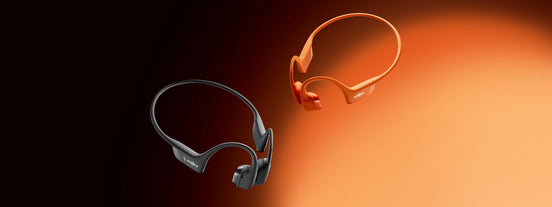







Staring at the bottom of the pool for an hour can feel like a grind without a decent playlist. Most regular earbuds just aren’t built for it — they either die the moment they get properly wet, or they shift around so much you spend half the session adjusting them instead of actually swimming.
Finding the best swimming headphones is about more than a “waterproof” badge on a product page. You need to know they’ll stay locked in under your goggle straps and won’t get wrecked by chlorine at the local aquatic centre. You also need to think about awareness: sharing lanes at a busy pool, or staying safe if you’re heading into open water at the beach. We’ve looked at what actually matters for Aussie swimmers in 2026, and what separates average options from genuinely reliable swimming headphones.
Part 1. What Makes the Best Swimming Headphones for Australian Swimmers
A good set has to handle more than a bit of splashing. Between chlorine-heavy public pools and unpredictable open-water conditions, Aussie swimmers need features most generic brands don’t properly account for.
1. For the Local Pool: Chlorine Resistance and Flip-Turn Security
Most public pools use strong chlorine, and it can ruin seals on cheap headphones in a matter of weeks. The best swimming headphones typically use higher-quality materials (like medical-grade silicone) that can handle repeated exposure without degrading.
You also want a secure wraparound fit that stays put through push-offs and tumble turns. If they shift, you’ll end up constantly fiddling with them, or worse — dealing with pressure points that make long sessions miserable.
2. For Open Water: Staying Aware of Your Surroundings
Open-water swimming brings a different set of risks — currents, surf, and other people sharing the space. Completely blocking your ears isn’t ideal when you need to stay alert to boats, paddlers, or other swimmers nearby. This is where bone conduction can really help: it sits outside the ear canal, so you can keep more awareness while still having your music. For anyone doing ocean swims in Australia, that extra safety margin matters.
3. Goggle Compatibility: Ensuring a Snug Fit with Your Gear
Goggles always claim the prime real estate around your ears first. If your headphones fight for the same space, they’ll either hurt or break the seal on your goggles. Look for a slimmer profile or a design that sits slightly higher so it doesn’t interfere with the straps. When your gear fits together properly, the whole session feels smoother — and you’re not wasting laps readjusting kit.

Part 2. 6 Best Swimming Headphones for Australian Swimmers in 2026
Different swimming routines need different solutions. From serious lap sessions at the local aquatic centre to early-morning ocean dips, these picks are chosen for the realities Aussie swimmers deal with — chlorinated pools, salty water, and the need to stay aware in shared lanes or open water.
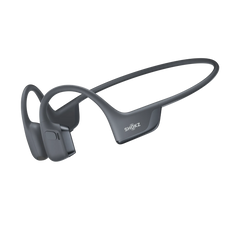
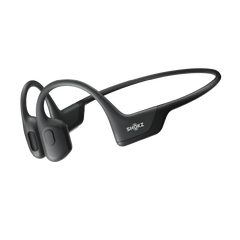
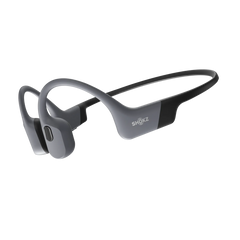
1. Shokz OpenSwim Pro: Best Overall for Most Swimmers
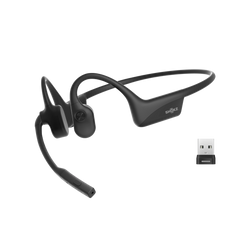
The OpenSwim Pro solves one of the biggest frustrations with swimming headphones: it lets you switch between Bluetooth 5.4 for gym sessions and 32GB of built-in storage the moment you hit the water.
It’s built for anyone who wants decent audio without fully switching off from the world around them. Because it uses bone conduction, your ear canals stay clear — but the sound still feels surprisingly full thanks to PremiumPitch™ 2.0+ technology. You even get a touch of bass through the vibrations, which isn’t always a given with this style of kit.
Key features of OpenSwim Pro:
- IP68 waterproofing: Rated for submersion down to 2 metres for up to 2 hours — fine for pool work and longer open-water stretches.
- 9-hour battery: Around 9 hours on Bluetooth, or 6 hours in MP3 mode, which covers most training blocks easily.
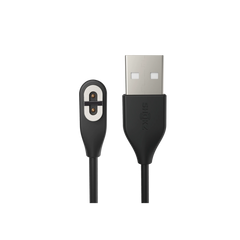
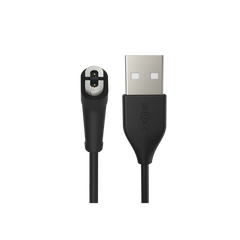
- 10-minute quick charge: A fast top-up gives around 3 hours of playback — a lifesaver if you forget to charge before heading out.
- Nickel-titanium frame: Stays flexible even in cooler water, but holds firm through push-offs and flip turns.
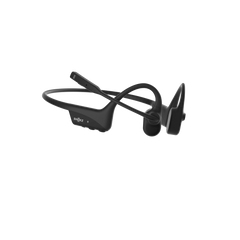
At just 27.3g, you’ll barely notice them once you’re moving. The wraparound frame also sits neatly out of the way, so it doesn’t clash with your goggle straps — a big deal when you’re doing longer sets.
2. FINIS Duo: Best Headphones for Swimming Laps and Flip Turns
FINIS designed the Duo for swimmers who want gear that becomes part of their setup — not something you have to constantly adjust. This bone conduction pair clips directly onto your goggle straps, so everything moves as one unit.
For training efficiency, that goggle integration removes the usual variables. It’s especially useful for interval sets or heavy flip-turn drills where other best swimming headphones might shift or break your rhythm.
Why the Duo stays so secure:
- Goggle strap integration: Clips onto your goggles so nothing moves independently.
- IPX8 waterproof rating: Built for full submersion during long sessions.
- 4GB storage: Enough for roughly 1,000 tracks to keep training fresh.
- 7-hour battery: Plenty for most swim blocks.
- Bone conduction audio: Helps you stay aware of your coach and swimmers in nearby lanes.
- Streamlined profile: Designed to keep drag low when you’re pushing pace.
3. Naenka Runner Diver 2: Best for Open Water Safety and Awareness
Open-water swimming in Australia can be incredible — but it demands awareness. The Runner Diver 2 puts safety first with a bone conduction design that keeps your ears open, while still being tough enough for real outdoor use.
Its biggest strength is versatility: use it as standard Bluetooth headphones on the walk down to the water, then switch to internal storage once you’re in the ocean or a lake.
Why open-water swimmers rate it:
- IP68 waterproof certification: Built to handle saltwater, freshwater, and outdoor conditions.
- 16GB storage: Plenty of space for long swims and varied playlists.
- Bluetooth 5.3: Easy pairing for warm-up music before you get in.
- 10-hour battery: Enough for longer training sessions and weekend adventures.
- Bone conduction design: Helps you hear boats, paddlers, and what’s happening around you.
- Robust construction: Can handle a bit of rough treatment in your swim bag.
4. H2O Audio Sonar: Best Budget Pick for Beginners
Getting into music for swimming shouldn’t have to cost a fortune. The H2O Audio Sonar gives you functional, waterproof sound without the premium price tag. It uses a more traditional in-ear approach with a proper seal to keep water out, making it a solid entry point for casual swimmers doing steady laps — especially if you want to try swimming headphones before spending bigger on top-tier best swimming headphones.
What budget swimmers get:
- IPX8 waterproof rating: Fully submersible for regular pool sessions.
- 8GB storage: Enough space for roughly 2,000 songs to keep your sets fresh.
- Secure ear hook design: Holds in place well during moderate swimming.
- 6-hour battery: More than enough for recreational swims.
Overall, the Sonar suits casual lap swimming rather than high-intensity competitive training. The lower price reflects a simpler build, but it still covers the basics for everyday use.
5. Suunto Aqua: Best for Long Sessions and Comfort
If you’re in the water for an hour or more, you’ll find out fast whether your headphones are comfortable. The Suunto Aqua uses a refined bone conduction setup that’s clearly designed for long-wear comfort. It’s popular with masters swimmers and anyone doing serious distance because it avoids that “waterlogged ear” feeling you can get from sealed in-ear designs.
Why it’s great for longer sets:
- Ergonomic titanium frame: Spreads pressure evenly so nothing digs in over time.
- Bone conduction technology: Keeps your ears open and comfortable for long sessions.
- IP68 protection: Built to handle extended submersion without drama.
- 8GB storage: Plenty of variety so long sets don’t feel mind-numbing.
- 8-hour battery: A strong match for long-distance training blocks.
This is the kind of option where the comfort engineering really shows itself once you go past the hour mark.
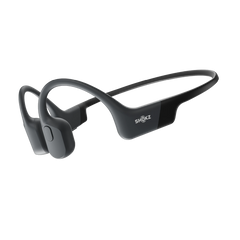
6. Shokz OpenSwim: Best for Simple Setup and Easy Music Loading
Sometimes you just want something that works without any fuss. The original OpenSwim skips Bluetooth entirely and focuses on MP3 playback. It’s perfect if you want to drag-and-drop your files, hit the pool, and get straight into your session — no apps, no syncing headaches, and no pre-swim faffing around.
Why swimmers love the simple setup:
- IP68 waterproof rating: The same top-tier submersion protection as the Pro model.
- 4GB storage: Fits about 1,200 songs, which is plenty for most swimmers.
- 8-hour battery: Easily lasts through multiple sessions before needing a charge.
- 2-year warranty: Extra peace of mind for durability.
- Nickel-titanium frame: The classic Shokz wraparound fit that works well with most goggle straps.
The OpenSwim costs less than the Pro while still covering the essentials. Plug it into a computer like a USB drive, drop your music files in, and swim — no accounts, no apps, no complicated syncing wasting your time.
Part 3. How to Choose the Best Swimming Headphones
Matching features to your actual swim habits is the only way to avoid paying for tech you’ll never use. Before you hit “buy”, it’s worth weighing up a few practical factors — especially if you’re shopping for truly reliable swimming headphones in Australia.
1. Check the Waterproof Rating (IPX7 vs IPX8)
The IP rating matters more than almost anything else. IPX7 usually covers submersion to 1 metre for roughly 30 minutes, which often isn’t enough for a proper session. For regular training, an IPX8 (or IP68) rating is basically non-negotiable if you want your best swimming headphones to last season after season.
2. Decide Between Bone Conduction and In-Ear Styles
This comes down to where you swim. Bone conduction keeps your ears open, which is a big safety advantage in open water — think beaches, bays, or lakes where you need awareness. In-ear models create a seal, which can deliver stronger bass, but they also reduce what you can hear around you. For indoor pool laps, either style can work; for open-water swims, bone conduction is often the safer option.
3. Don’t Overlook Battery Life and Charging Convenience
Your training schedule needs something practical. Ideally, you want swimming headphones that can handle a few sessions before they need charging again. As a baseline, aim for at least 6 hours of battery life. And if you’re the type who forgets to charge the night before an early swim, quick-charge features can be an absolute lifesaver.
4. Pick One That Works with Your Music Setup
The key thing most people miss: Bluetooth doesn’t work properly once you’re underwater. If you want music while you’re doing laps, built-in storage (MP3 mode) is the reliable solution. Before you buy, check whether you can simply drag-and-drop your files, or whether you’re forced into annoying proprietary software.
Part 4. Care Tips to Make the Best Swimming Headphones Last Longer
Don’t assume “waterproof” means indestructible. Chlorine can be brutal on seals, and it often causes more damage over time than saltwater. A small amount of basic care is the easiest way to avoid binning expensive best swimming headphones too soon.
1. Rinse After Every Swim
As soon as you’re out of the water, rinse them under fresh tap water. You want to remove chlorine or salt before it starts degrading seals. Even 30 seconds of rinsing can make a big difference long term.
2. Dry Properly Before Charging
Charging when ports are still damp is a common mistake — and a fast way to invite corrosion. Pat them dry with a towel, then let them air-dry fully (give it about an hour) before you plug anything in.
3. Store Them in a Breathable Case
Don’t chuck wet gear into a sealed container. That trapped moisture is asking for trouble. Use a mesh pouch or a case with vents so they can dry out properly while still staying protected in your swim bag.

Final Thought
The best swimming headphones are what turn mind-numbing lap counting into a properly focused training session. Whether you’re knocking out intervals at the local aquatic centre or heading into open water at the beach, having audio can be the one thing that keeps your head in the game when your shoulders start burning and your legs are ready to quit.
A Shokz model is usually a solid pick if you want performance that genuinely justifies the price, though some budget options are perfectly fine for casual swimmers who just want background motivation. At the end of the day, it comes down to choosing swimming headphones that match how you actually spend your time in the water — pool laps, ocean swims, or a mix of both.
FAQs About the Best Swimming Headphones
1. What’s the Difference Between IPX7 and IPX8?
It’s pretty straightforward: IPX7 is typically rated for about 1 metre for 30 minutes, while IPX8 is built for deeper submersion (often 2+ metres) for much longer periods. For real swim training, IPX8 (or IP68) is basically non-negotiable — a full session underwater is simply too much for IPX7 over time.
Both the Shokz OpenSwim Pro and the original OpenSwim carry an IP68 rating, so they’re made for proper training — not just a bit of splashing around.
2. Do Bone Conduction Headphones Really Work in Water?
Yes, they do — even if the listening experience feels a bit different to normal earbuds. Bone conduction sends vibrations through the bones around your temples straight to your inner ear, so it doesn’t rely on sound travelling through the water in your ear canal.
You won’t get the same heavy bass you’d get from sealed in-ear plugs, but clarity stays strong for most music and podcasts. Higher-end Shokz models generally balance this better than cheaper alternatives.
3. Can I Use My Swimming Headphones in the Ocean, and What Extra Care Is Needed?
If they’re IP68-rated, you can take them into the ocean — but saltwater is harsher than pool chlorine. The key is rinsing them with fresh water immediately after you get out. Pay extra attention to charging ports and button seals, because that’s where salt can cause long-term damage if it dries and builds up.
4. How Long Should Swim Headphones Last?
A decent pair should last around 2–3 years with proper care. If you’re a daily pool swimmer, chlorine can wear down seals faster over time. And like any rechargeable device, expect battery capacity to drop — roughly around 20% after about 500 charge cycles is a common benchmark.
5. Are Bone Conduction Swimming Headphones Worth It?
If you’re swimming in open water, absolutely — awareness matters. For pool use, it’s more of a trade-off: bone conduction is often more comfortable and keeps you more aware of other swimmers, while sealed buds usually deliver stronger bass. Many serious swimmers stick with bone conduction because the comfort and practicality are worth it.