






Picking between wireless headphones and bluetooth earbuds shouldn’t feel like a coin toss. Most of the time, the marketing noise just gets in the way of finding something that actually fits your day-to-day in Australia.
At its core, it’s about fit and use case: over-ear headphones wrap around your whole ear, while in-ears sit inside the canal. Both can be brilliant depending on where you’re using them. This guide breaks down when each format makes sense, where they fall short, and how newer wireless bluetooth earbuds are closing the gap on sound and features.
Part 1. Headphones vs Earbuds: What’s the Real Difference?
Choosing between wireless headphones and earbuds affects pocket space, sound performance, and daily practicality.
1. Over-Ear vs In-Ear
Over-ear headphones use padded ear cups and a headband, spreading the weight so they don’t feel harsh over long sessions. The cushions create a seal around your ears, which helps muffle background noise and gives you a bigger, more “open” soundstage.
Bluetooth earbuds skip the headband entirely. They rely on silicone tips that sit inside the ear canal to create a seal. When that seal is right, you get surprisingly strong sound and noise reduction from very little hardware.
Portability is where the difference gets obvious. Headphones take up a lot of room, and hinges can eventually feel creaky if they’re not built well. Wireless bluetooth earbuds live in a tiny charging case that’s easy to toss in your pocket, gym bag, or work tote without thinking twice.
2. Sound Quality and Noise Blocking
Big headphones still win for “full” bass and a spacious presentation — that’s just physics. But modern bluetooth earbuds are catching up fast, with better tuning and, in some models, dual-driver setups to keep things competitive.
Over-ears also tend to deliver stronger isolation thanks to thick ear cushions plus ANC that can seriously reduce background noise. In-ears rely on that silicone seal to block sound passively, which can work extremely well if the fit is dialled in.
3. Portability and Durability
Headphones can take a beating thanks to their solid frames, but they’re clunky to carry “just in case”. Wireless bluetooth earbuds are ultra-portable, though charging pins can get a bit finicky with sweat and grime, and case hinges aren’t always the toughest part of the setup.
Water resistance matters more for earbuds too, mainly because they’re right in the firing line when you’re sweating at the gym or running in humid summer weather.

Part 2. Choosing the Right Style for Your Daily Routine
Each format wins for different reasons — it’s about picking the right tool for the job.
1. The Daily Commuter
For most commuters, in-ears are the easiest choice. They’re pocket-friendly, they cut down the background hum, and you can pop one out quickly if someone asks a question. Most modern bluetooth earbuds also have enough battery to handle a full day of travel.
Over-ears can be better if you’ve got a backpack and want to properly disappear into your music — but you’ll still end up taking them off for station announcements or quick chats.
2. Working from Home or the Office
Over-ears are often the winner for long Zoom calls because they’re comfortable (at first) and tend to keep mic quality steady while reducing background noise. The downside is clamp fatigue: by mid-afternoon, that pressure can start to feel annoying and you’ll want a break.
In-ears are great for a minimal setup, but long calls can feel a bit “stuffy”. And let’s be honest: keeping wireless bluetooth earbuds in for eight hours straight isn’t everyone’s idea of comfort.
3. Running and Gym Workouts
In-ears with ear hooks can be a strong pick for training if you find a fit that stays put. They’re light and stable for running and lifting. The trade-off is awareness: sealed in-ears can make you less aware of traffic outdoors or what’s happening around you in a busy gym. Sweat can also break the seal, which affects both fit and sound.
Big headphones usually bounce around too much and get sweaty fast, so they’re not ideal for high-intensity sessions.
4. Frequent Travellers and Flyers
Over-ears are still the gold standard for long-haul flights. Strong ANC helps you tune out engine drone and cabin noise, and the battery usually lasts the whole trip. The downside is the space they take up — and you can become too switched off from announcements.
In-ears are easy to pack, but that “plugged-in” feeling can get uncomfortable during a long flight.
5. Casual Listening and Podcasts
This one mostly comes down to what feels better. Over-ears can make podcasts sound richer and more natural, but bluetooth earbuds are far easier to carry around. The downside is the same either way: you’ll have to take them out to talk to people or stay aware while walking, and you’ll probably miss a doorbell or two.
Part 3. Technical Specs: What to Check Before Buying
No matter what you’re leaning towards — over-ears or bluetooth earbuds — it’s worth checking these basics before you hit “buy”. They’ll make a bigger difference to real-world daily use than most spec-sheet hype.
1. Fit and Comfort
For wireless bluetooth earbuds, aim for under 10g per earbud so they don’t feel heavy or irritating after an hour. For over-ear headphones, weight matters less than comfort design: look for plush ear cups and a supportive headband. Don’t just trust numbers — read reviews that mention long-wear comfort.
2. Battery Life
Advertised battery figures rarely match reality because they’re tested at lower volumes. In day-to-day use, expect around 20–30% less than the claimed number. Also check total battery (earbuds + case), because that’s what determines whether you’ll be charging nightly or just once a week.
3. IP Ratings
IP54 is usually fine for light rain and sweaty workouts. IP55 handles heavier exposure. Match the rating to how you actually live — gym sessions, outdoor runs, and humid summer days in Australia all put extra stress on small gear like bluetooth earbuds.
4. Call Quality
More microphones usually means clearer calls. Look for models with beamforming mics that focus on your voice while cutting background noise. Reviews that specifically mention call performance are more useful than generic “sounds great” comments.
5. Ease of Switching Devices
If you bounce between phone and laptop, multipoint pairing is a huge win — it lets you stay connected to both at once, so calls can interrupt music automatically. Also, aim for Bluetooth 5.0 or newer for better stability, fewer dropouts, and smoother switching.
Part 4. Our Top Pick for Versatile Listening
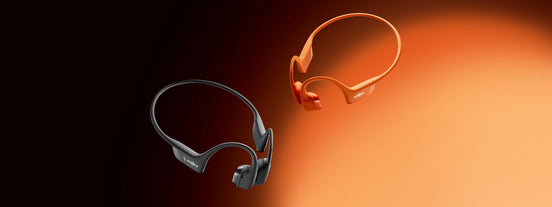
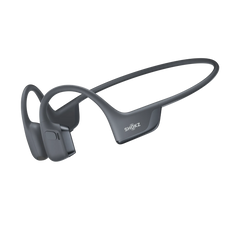
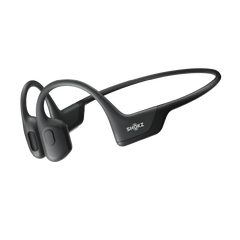
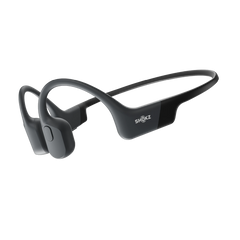
Wireless earbuds and headphones both do their job well, but they often force a frustrating trade-off: either you disappear into your music, or you stay aware of what’s happening around you. This is exactly where open-ear designs become a game-changer.
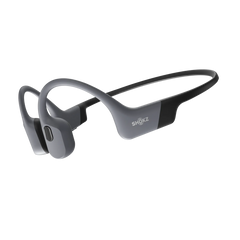
Instead of sealing your ear canal, open-ear models sit just outside the ear and direct sound in. That’s why so many people are starting to ask what open-ear headphones actually are and whether they work for everyday life. You still get crisp audio, but you’re not cut off — no more awkward moments where someone talks to you and you miss it because you’re “plugged in”.
Shokz OpenFit Pro: The Open-Ear All-Rounder
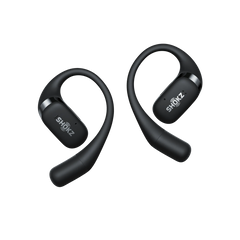
The Shokz OpenFit Pro shows why this style can beat the usual options. Call quality is strong thanks to six mics, the sound feels surprisingly big, and comfort is the real headline: nothing is shoved into your ear canal and nothing clamps your head, so you avoid that “blocked” feeling or pressure fatigue.
Key reasons it stands out:
- 12-hour battery (50 hours with case): Easily covers a full week for most people.
- IP55 water resistance: Tough enough for sweaty workouts and a rainy run without relying on a tight seal.
- Bluetooth 6.1 with multipoint pairing: Seamless switching between devices without constant settings faff.
- Ultra-soft silicone build: Designed for comfort with minimal pressure points.
Shokz OpenDots ONE: Ultra-Light and Glasses-Friendly
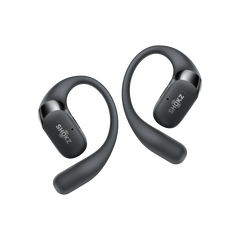
If you want something even more portable, the Shokz OpenDots ONE is a smart shout. Each bud is only 6.5g, built with titanium alloy and JointArc tech, so they clip on easily and don’t fight with glasses. They also deliver an immersive sound with Bassphere tech and Dolby Audio — without needing to block your ears.
Where the OpenDots ONE delivers:
- 40 hours total playtime: Impressive battery for such a minimal design.
- Interchangeable left/right design: No checking L/R — they sort themselves out.
- IP54 protection: Perfect for everyday use while staying incredibly light.
- Four noise-cancelling microphones: Clear calls without sounding distant or muffled.
Both sets use USB-C and offer a long standby time. And because nothing goes into the ear canal, you also avoid the hygiene issues that can come with traditional wireless bluetooth earbuds.
Final Thoughts
There’s still a time and place for the classics. Over-ears are brilliant for focused work, and sealed bluetooth earbuds are handy when you want to shut the world out and chuck them in your bag.
But for everyday life, being completely cut off can be more hassle than people admit. We’ve all done that routine of pulling one bud out every two minutes for a quick chat or an announcement. That’s why open-ear gear is such a clever option: it removes that “blocked off” feeling entirely, so you can stay aware and comfortable without constantly messing around with your kit.

Frequently Asked Questions
1. Are earbuds or headphones better for commuting?
For most commuters in Australia, in-ear bluetooth earbuds are the easiest option because they’re ultra-portable and block enough background noise to make public transport tolerable. Over-ear headphones suit people who carry a backpack and want maximum isolation, but you’ll still end up taking them off for announcements or quick chats.
Open-ear options like Shokz OpenFit Pro fill the gap by letting you hear announcements and what’s happening around you while keeping your audio clear — which means you can ditch that constant on-and-off routine.
2. What’s better for work calls and Zoom meetings?
Over-ear headphones usually deliver stronger microphone performance and more consistent noise reduction, which makes them a safe pick for professional calls. The trade-off is pressure fatigue: if you’re on back-to-back meetings, the clamp and heat can start to feel annoying after a few hours.
For a more minimal desk setup, wireless bluetooth earbuds can work well too — just make sure the mic quality is solid in real-world noise.
3. Which is better for running and sweating?
For running, in-ear buds with secure ear hooks can be great — if you find tips that actually stay put. The downside is awareness: sealed buds can make you far less aware of traffic and cyclists, which matters on shared paths and roads. Over-ears usually bounce too much and get sweaty fast, so they’re not ideal for high-intensity training.
Open-ear options like Shokz OpenDots ONE solve that specific gap by staying secure while still letting you hear approaching vehicles and people around you, improving safety without sacrificing your music.
4. Do expensive models always sound better?
Not always. Price often reflects extra features (ANC, better mics, multipoint, premium materials) rather than raw audio quality alone. Both traditional formats and open-ear designs can sound excellent across a range of budgets.
The smarter approach is matching specs to your routine — especially your awareness needs — instead of assuming a higher price automatically means better sound.