







There is something special about hitting a trail at sunrise, but the debate over wearing headphones in the bush is a long-standing one. Some hikers swear by the silence, while others find that a great podcast or a bit of music improves the hike and helps them push through those final steep kilometres.
The real challenge has always been finding a way to enjoy your audio without completely tuning out the world around you.
Traditional earbuds tend to plug your ears, which is fine for a noisy gym, but not ideal when you need to hear a mountain biker coming around a blind corner or the rustle of something moving in the scrub.
That is where the right hiking headphones can make a real difference. Open-ear audio lets you enjoy a playlist, podcast or map directions while still hearing the world around you.
Why Choosing the Right Audio Gear Matters on the Hiking Trail
The trail can change quickly, even when the walk looks straightforward on a map. Shared paths, uneven terrain, mountain bikers, snakes, weather shifts and other hikers all demand a bit of awareness. Traditional in-ear earbuds and over-ear headphones can make music sound immersive, but they can also reduce the everyday sounds that help you stay alert.
Listening to music while hiking safely is not about avoiding audio altogether. It is about choosing a listening style that suits the environment. If you can hear footsteps approaching, a rider’s warning bell or a mate asking you to stop, it’s easier to react.
This is especially useful on popular Australian walking trails, where runners, mountain bikers, and families share the same narrow path. On more remote trails, being able to hear the wind, rain, and flowing rivers can also help you feel more connected to nature.
Noise-cancelling earbuds have their place. They are brilliant on flights, in busy offices and during noisy commutes.
Hiking is different.
On a trail, blocking out sound can make you feel separated from the environment. Some earbuds have transparency or ambient modes, but these rely on microphones to pick up surrounding sounds
Open-ear headphones take a more direct approach by leaving your ear canal uncovered.

Key Factors to Look for in Hiking Headphones
The best safe hiking headphones are rarely the ones with the biggest bass or the flashiest feature list. What matters most is how they feel and perform when you’re a few kilometres from the car park, sweating in the sun or dealing with a sudden shower.
1. Situational awareness
Awareness should sit at the top of the list. Look for open-ear or bone conduction headphones that let you hear natural sounds without pausing your audio every few minutes.
2. A secure fit
A loose earbud is annoying at the best of times. Without warning, it pops lost in the bush
For hiking, choose headphones that stay put as you climb, duck under branches or adjust a pack. Wraparound frames and ear-hook designs are often more dependable than standard earbuds, particularly if you’re walking, jogging and scrambling.
3. Sweat and rain resistance
Australian weather can be unpredictable. Check the product’s water-resistance rating and remember that water-resistant does not necessarily mean waterproof.
4. Battery life that matches your plans
A short local walk may only need a couple of hours of playback. A long day hike, however, can stretch well beyond that.
Choose hiking headphones with enough battery for your usual adventures, plus a little breathing room. A quick-charge case can also be handy
5. Simple controls
When your hands are dusty, sweaty or holding trekking poles, fiddling around with controls can become frustrating. Physical buttons are often easier to use outdoors because you can adjust volume or skip a track without needing your phone.
Why Open-Ear and Bone Conduction Tech Is Built for the Trail
Open-ear audio feels different from conventional headphones from the start. Instead of plugging your ear canal or covering your whole ear, it is designed to leave your ears open to ambient sound.
That makes it a strong match for hiking, where the experience is not only about the soundtrack. It is also about hearing kookaburras in the trees, waves below on a coastal path or a group approaching from behind.
How bone conduction headphones work
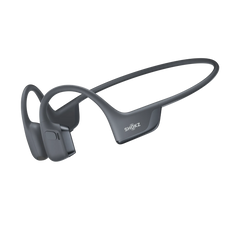
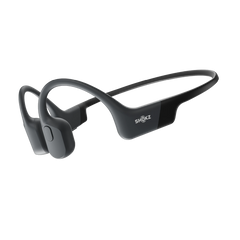
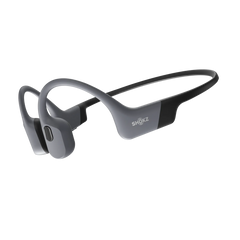
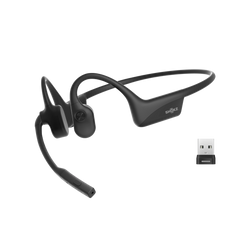
Bone conduction headphones use small transducers that rest against your cheekbones, sending sound vibrations towards your inner ear while leaving the ear canal open. This means you can listen to audio without placing a bud inside your ear. Shokz describes this as an open-ear listening experience involving both audio and awareness of your surroundings.
For hikers, the practical benefit is straightforward. You can hear your podcast or music while still naturally enjoying real-world sounds.
How open-ear earbuds work
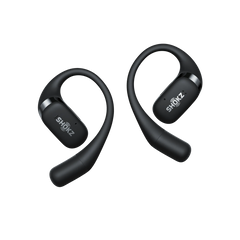
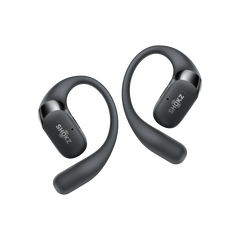
Open-ear earbuds use small speakers positioned near your ears rather than inside them. They are a good choice if you prefer the convenience and sound character of true wireless earbuds but still want an open listening experience.
Compared with bone conduction, open-ear earbuds can offer a fuller, more conventional musical experience, particularly with bass-heavy playlists.

A quick comparison: hiking headphone styles
| Headphone style | Awareness on the trail | Best for | Things to consider |
|---|---|---|---|
| Sealed in-ear earbuds | Lower | Travel, office use, quiet environments | Can block environmental sound |
| Over-ear headphones | Lower | Relaxed listening, travel | Bulkier, warmer and less practical for active hikes |
| Open-ear earbuds | High | Walks, day hikes, everyday wear | Fit and wind performance vary by model |
| Bone conduction headphones | High | Hiking, running, trail use and calls | Sound feels different from sealed headphones at first |
Brands such as Bose, Sony, Apple and Jabra offer popular earbuds for everyday use, including models with ambient listening modes. Those can be useful for casual walks, but they are still usually designed around an in-ear fit.
Best Shokz Headphones for Your Next Hiking Adventure
When we look at the Shokz lineup, two models stand out for the Australian hiker:
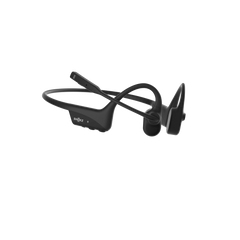
OpenRun Pro 2: The Flagship for Serious Hikers
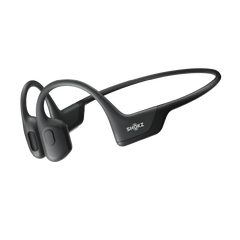
The OpenRun Pro 2 is the premium choice for demanding terrain and longer adventures.
- Dual-Driver System: Combines bone conduction for mids/highs with an air conduction driver for bass.
- 12-Hour Battery: Plenty of juice for a full day on the trail with a 5-minute quick charge for 2.5 hours of play.
- IP55 Rating: Handles sweat and rain effortlessly.
- Secure Fit: The titanium band stays put when you’re on a rocky path and works well with hats and sunglasses.
OpenFit 2+: Versatile and Lightweight
Instead of a wraparound band, the OpenFit 2+ are individual "buds" that hook over the ear.


- All-Day Comfort: Incredibly light; you genuinely forget they are there.
- Natural Sound: Perfect for podcasts and audiobooks with a crisp, clear output.
- Versatility: They look more "normal" for the commute or office after your morning hike.
While brands like Sony or Apple make great gear for the plane, they cannot match the safety and awareness that Shokz provides in the bush.
Common Questions About Using Headphones While Hiking
Are open-ear headphones good for hiking?
Yes. Open-ear headphones are designed to let you hear your music while still being aware of your surroundings. That makes them a practical choice for shared walking tracks, national parks and other outdoor environments where awareness counts.
Is it safe to listen to music while hiking?
It can be, provided you stay alert and choose headphones that don't completely block outside sounds. Keeping the volume at a sensible level and remaining aware of other trail users are simple ways to enjoy music more safely.
Do open-ear headphones work well with hats and sunglasses?
Yes, they are designed to be low-profile. Most hikers find that the hooks or bands sit comfortably alongside the sunglass arms
How do I keep my headphones clean after a dusty hike?
Since Shokz are water-resistant, simply wipe them down with a damp cloth after your hike to remove salt from sweat and trail dust.