






- What Is Brisk Walking?
- Brisk Walking Benefits: Why Pick Up the Pace?
- Brisk Walking Tips for Beginners and Regular Walkers
- Brisk Walking Essentials: What Do You Really Need?
- Headphones for Brisk Walking: What Should You Look For?
- The Best Shokz Headphones for Brisk Walking
- Shokz vs Other Headphone Types for Walking
- Make Brisk Walking Part of Your Routine
- FAQs About Brisk Walking
What if your everyday walk had more purpose than simply getting you from A to B? A leisurely stroll is a great way to get around, but if your pace never changes, you may be missing an easy opportunity to make your walk more purposeful.
The good news is that brisk walking doesn't require a gym membership, a complicated training plan or expensive equipment. A few changes to your pace, route and routine can turn an ordinary walk into a worthwhile workout. Add comfortable gear and the right headphones, and you’ll find yourself looking forward to heading out the door.
What Is Brisk Walking?
Brisk walking is walking at a pace that is noticeably faster than your usual stroll. It is quick enough to raise your heart rate and warm you up, but not so fast that you are straining.
The most practical way to judge it is the talk test:
- Easy walking: You can comfortably chat or even sing without thinking about your breathing.
- Brisk walking: You are breathing more noticeably and can still speak in sentences, but you would struggle to sing.
- Vigorous walking: Conversation becomes difficult, and you are huffing.
There's no magic speed that defines a brisk walk for everyone. Your fitness, age, terrain and walking experience all matter.
Quick tip: Aim for a pace that feels purposeful rather than exhausting. You should feel like you're exercising, not chasing a bus.
Brisk Walking Benefits: Why Pick Up the Pace?
A faster walk can make a surprisingly big difference to your daily activity. Brisk walking is accessible, easy to fit into a busy schedule, and doesn’t require specialised training.
Regular physical activity can support cardiovascular and physical health, mental well-being, and healthy weight management.
There are countless reasons to add a little more pace to a daily routine. These can be broken down into a few practical areas.
- Cardiovascular fitness: Regular brisk walking gets your heart pumping and boosts overall physical activity.
- Muscles and mobility: A purposeful stride engages the legs, hips, and core while keeping joints moving smoothly through a natural range of motion.
- Energy and mood: Getting outdoors for physical activity is an excellent way to support mental well-being and provides a much-needed break from sitting in front of screens.
- Everyday fitness: One of the biggest advantages is sheer accessibility. A brisk walk can easily be included in a morning commute, a lunch break, a dog walk, or a weekend outing.
- Consistency: This is perhaps the most important benefit from a lifestyle perspective. A form of exercise you actually enjoy and can repeat regularly is far more useful than an ambitious workout plan abandoned after two weeks.
The best walking routine is often the one that fits naturally into your daily life.
Brisk Walking Tips for Beginners and Regular Walkers
Whether you are stepping out for the first time or looking to improve a current routine, a few simple adjustments can make a significant difference.
- Start gradually: Don’t turn your first walk into a frantic race. Begin at a comfortable pace to warm up, then gradually build speed as you get moving.
- Find your natural rhythm: Focus on maintaining a slightly quicker, purposeful stride rather than taking unnaturally long, exaggerated steps.
- Think about posture: Keep your head up, your shoulders relaxed, and let your arms swing naturally at your sides.
- Choose the right route: Flat, paved paths are extremely useful when you are just starting out. You can easily add hills to increase the intensity once you feel more comfortable.
- Build duration gradually: Instead of worrying about hitting a specific distance right away, aim to slowly increase the time you spend walking briskly.
- Give yourself something to look forward to: A favourite playlist, a new podcast episode, an audiobook, or a local radio program can make a familiar route far more interesting.
Brisk Walking Essentials: What Do You Really Need?
The beauty of walking is that your gear doesn’t have to turn into an expensive shopping list. You can divide your gear based on your type of walk:
- The Everyday Walk: Comfortable walking shoes, breathable clothing, your phone, and headphones.
- The Longer Walk: Add a water bottle, sunscreen, and a hat (essential for the Australian sun).
- Low Light (Early Morning/Evening): Reflective gear and headphones that don't completely disconnect you from your surroundings.
You don't need to turn a 30-minute neighbourhood walk into an expedition. Choose gear that makes walking easier rather than giving yourself another reason not to go.
Headphones for Brisk Walking: What Should You Look For?
The wrong headphones can make a good walk frustrating. They can slip as you move, feel uncomfortable after an hour or leave you feeling disconnected from what's happening around you.
For outdoor walking, consider:
Comfort: If you're planning to walk for an hour or more, headphones need to feel comfortable for the entire journey, not just the first 10 minutes.
Stability: Your headphones should stay put when you increase your pace, tackle a hill or move naturally.
Awareness: Traditional in-ear and over-ear headphones can create a more enclosed listening experience. Open-ear headphones take a different approach, allowing you to listen while keeping your ears open to surrounding sounds.
Battery life: Running out of battery halfway through a long walk is annoying. Look for enough battery life for your usual routine, plus quick charging for those moments when you forget to charge.
The Best Shokz Headphones for Brisk Walking
Choosing the right headphones comes down to how you actually walk. Shokz has two particularly useful options for different types of walkers: the OpenRun Pro 2 and OpenFit Air.
Best for active walkers: Shokz OpenRun Pro 2
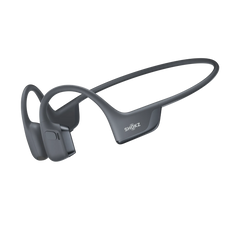
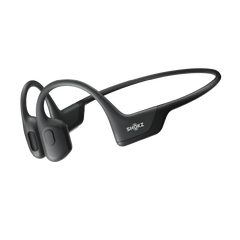
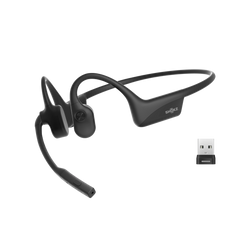
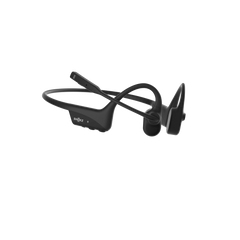
The is built for active use, making it a strong choice if brisk walking is becoming part of a broader fitness routine.
Its open-ear design keeps your ears unobstructed, while Shokz DualPitch combines a bone-conduction driver with an air-conduction driver to deliver a fuller audio experience. It offers up to 12 hours of playback, Bluetooth 5.3, IP55 sweat- and water-resistance, quick charging, and a secure nickel-titanium frame.
That combination makes sense for walkers who regularly head out for longer distances, combine walking with running or other exercise, or simply want headphones designed to stay in place as they move.


There's also a practical benefit to the open-ear format. You can enjoy music or a podcast without completely shutting yourself away from the sounds around you.
Best for everyday walks: Shokz OpenFit Air
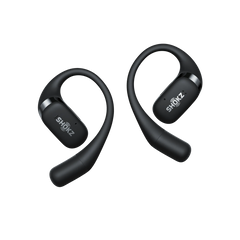
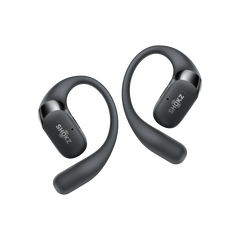
If your brisk walking is part of your everyday life, the Shokz OpenFit Air is a different proposition.
These true wireless open-ear earbuds use Shokz Air-Earhook technology for a secure, lightweight fit and weigh just 8.7g per pair. They offer up to six hours of playback from the earbuds and up to 28 hours with the charging case. They're also rated IP54 for dust and sweat resistance.
The OpenFit Air makes particular sense for neighbourhood walks, commuting, errands and casual exercise. The earhook design keeps the earbuds in place without sealing the ear canal, while DirectPitch technology directs sound toward the ears.
Shokz vs Other Headphone Types for Walking
There isn't one perfect headphone design for every walker. It depends on what matters most to you.
Traditional in-ear earbuds are compact and familiar, but their sealed fit can create a more isolated listening experience. Over-ear headphones can deliver an immersive soundstage, although they're generally bulkier for outdoor walking.
There are also other open-ear alternatives. Bose's Ultra Open Earbuds, for example, use a cuff-style design that leaves the ears open and offer up to seven hours of playback, IPX4 water resistance and Bluetooth multipoint.
The difference isn't simply about brand. It's about the listening experience you want.
If open-ear listening, secure movement, and outdoor awareness are priorities, Shokz's range offers two different approaches. The OpenRun Pro 2 is aimed more squarely at activity, while the OpenFit Air brings the open-ear experience to an everyday true-wireless design.
Here’s a brief guide:
| Headphone Type | Advantages | Potential Issue for Walkers |
|---|---|---|
| Traditional In-ear | Compact, familiar | Can feel dangerously isolating outdoors |
| Over-ear | Immersive sound | Bulky and can become very warm |
| Noise-cancelling | Blocks external noise | Reduces crucial awareness of surroundings |
| Open-ear (Shokz) | Awareness of ambient sound | Different sound profile than sealed buds |
Make Brisk Walking Part of Your Routine
The best walking routine is the one you can keep doing.
You don't need to walk for hours or hit a particular step count every day. Start with a manageable amount, pick up the pace when you're ready and gradually build your routine.
A brisk walk around the neighbourhood, a lunchtime circuit or a longer weekend outing can all count towards a more active day.
The right shoes make walking comfortable. A good route keeps it interesting. And the right headphones can give you a soundtrack without completely disconnecting you from the world around you.
The important thing is to get moving. Then keep going.
FAQs About Brisk Walking
Is brisk walking good exercise?
Yes. Brisk walking is considered a moderate-intensity physical activity. It can increase your breathing and heart rate while still allowing you to have a conversation.
How long should you briskly walk?
There isn't a single time that suits everyone. If you're starting out, begin with a manageable amount of time and gradually increase it. A suggestion is to start off with 30 minutes.
What are the best headphones for brisk walking?
The best headphones depend on how and where you walk. Open-ear headphones such as the Shokz OpenRun Pro 2 and OpenFit Air are worth considering if you want to listen to audio while keeping your ears open to surrounding sounds.
Are open-ear headphones good for walking?
They can be particularly useful for outdoor walkers because they don't seal the ear canal as tightly as traditional in-ear earbuds. This allows you to enjoy audio while remaining more connected to surrounding sounds.