






Ever found yourself stuck on a packed bus or crawling along in gridlock traffic, watching a cyclist breeze past and wondering how that could be you?
Urban traffic in major Australian cities is getting heavier by the month, and petrol prices certainly are not helping. The thought of hopping onto two wheels amidst speeding cars, delivery vans, and chaotic intersections keeps plenty of potential riders stuck on four wheels or leaving their bike forgotten in the shed.
Getting started with city cycling does not mean you have to be super fit or fearless. A few smart habits, choosing the right route, and some basic gear will turn a stressful morning commute into a part of your day you’ll actually enjoy.

Introduction to City Cycling: What Sets Urban Riding Apart
Riding through an urban centre is a totally different experience from taking a casual weekend spin along a scenic coastal or on riverside paths. City streets demand your attention because everything moves faster and unpredictably.
You are constantly having to adjust to changing traffic lights, dodge opening car doors, watch out for pedestrians stepping off the kerb, and navigate streetcar or light rail tracks. It sounds like a lot to handle at first, but your brain adapts pretty quickly once you get into the rhythm of the road.
The trade-off for staying alert is huge. Choosing a bike lets you skip the morning gridlock entirely while saving hundreds of dollars a month on parking, fuel, or public transport fares.
It also slots physical activity straight into your day without requiring an extra hour at the gym. Rather than zoning out as you might on a recreational bike trail, urban riding turns your daily trip into an engaging ride that sharpens your road instincts.
How to Choose the Right Route for City Cycling
The fastest way to drive across town is almost never the best way to ride a bike. Main roads might look direct on a map, but they usually carry heavy trucks, narrow lanes, and impatient drivers.
A reliable city cycling guide will always suggest trading arterial roads for quiet backstreets, designated greenways, and separated bike paths. Going a kilometre or two out of your way on a low-traffic suburban road usually saves time anyway by avoiding long traffic lights.
Local council websites and state transport departments publish updated bike maps covering cycling networks across Australian capitals. Apps like Strava, Komoot, or Google Maps with cycling turned on help you spot where local riders prefer to ride.
Give your future route a test run on a quiet Sunday morning when traffic is light. Riding without the clock ticking lets you spot tricky turns, steep hills, or places where bike lanes suddenly end.
Essential City Cycling Gear for Beginners
You do not need to spend thousands of dollars on high-end carbon bikes or tight lycra kits to start city cycling for beginner commuting. Focusing on basic comfort, reliability, and visibility gets you on the road without breaking the bank.
A solid setup starts with a few key pieces of hardware that keep you legal and visible on Australian roads:
- A properly fitted helmet meeting Australian standard AS/NZS 2063.
- Bright white front and red rear LED lights, preferably set to flash during the daytime.
- Use a sturdy D-lock or a thick chain lock to secure your bike to public racks.
- A simple hand pump, tyre levers, and a spare inner tube for quick roadside puncture fixes.
- Comfortable clothes that let you move freely and do not catch in the chain.
Sound tracking your ride makes the trip much better, but traditional earbuds present a real problem in the city. Noise-cancelling headphones isolate you from your surroundings, making it impossible to hear car horns, tram bells, approaching electric vehicles, or shouts from other road users.
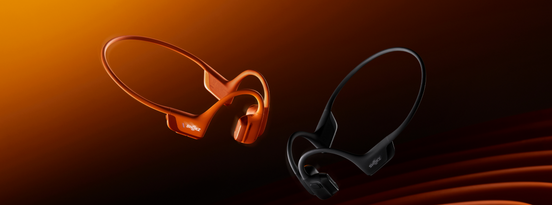
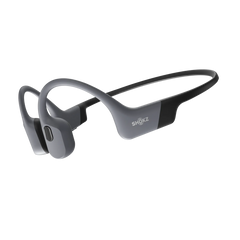
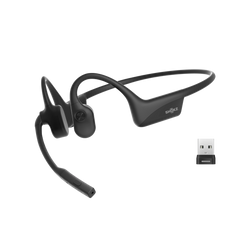
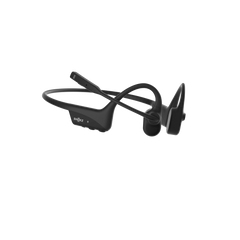
That is where open-ear headphone tech makes total sense for urban riders. The Shokz OpenRun Pro 2 is designed specifically for people who want quality audio without losing touch with what is happening around them.
Best Shokz Headphones for City Cycling: OpenRun Pro 2
The Shokz OpenRun Pro 2 is a strong match for cyclists who want audio without placing earbuds inside their ears.


Its wraparound frame is designed to stay stable during movement, while the open-ear fit leaves your ear canals uncovered. That makes it easier to remain connected to the sounds around you, whether it’s a bicycle bell, traffic or another rider calling out.
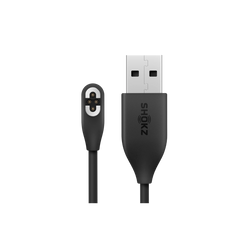
Shokz uses DualPitch technology, combining bone-conduction and air-conduction components to deliver clearer detail and stronger low frequencies than traditional bone-conduction designs. The headphones offer up to 12 hours of playback, weigh about 30.3 grams and use convenient USB-C charging. A five-minute charge can provide up to 2.5 hours of music playback.
An IP55 rating provides resistance against sweat, splashes and light rain, which is useful when Australian weather changes halfway through a commute. They are not designed for swimming, so avoid submerging them.
The controls are physical and easy to operate by touch, so you don’t have to reach for your phone while riding. OpenRun Pro 2 is also available in Standard and Mini sizes, giving you a better chance of finding a comfortable fit under a helmet.
These same features make the OpenRun Pro 2 useful beyond city cycling. The secure frame, long battery life, and open-ear awareness also suit running, walking, and hiking adventures where hearing other people, wildlife, or changing conditions matters.
How OpenRun Pro 2 compares with other options:
| Model | Design | Key consideration for cycling |
|---|---|---|
| Shokz OpenRun Pro 2 | Open-ear wraparound headphones | Stable sports fit, 12-hour battery and uncovered ear canals |
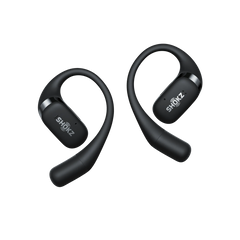
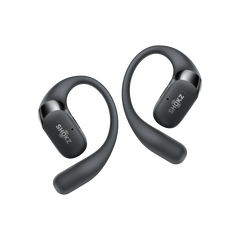
| Bose Ultra Open Earbuds | Cuff-style open earbuds | Comfortable open design, but two separate pieces may feel less reassuring during vigorous riding |
| Sony LinkBuds Open | Open-ring true wireless earbuds | Compact with up to eight hours per charge, though fit depends more heavily on individual ear shape |
| Apple AirPods Pro 3 | Sealed in-ear earbuds with ANC and Transparency mode | Strong isolation and sound quality, but noise cancellation is generally better suited to commuting off the bike |
Bose and Sony provide credible open-ear alternatives, while Apple’s AirPods Pro 3 focus more heavily on active noise cancellation and in-ear listening.
For active city riding, the OpenRun Pro 2 stands out through its combination of a one-piece sports frame, long battery life and open-ear design.
Safety Tips Every New City Cyclist Should Know
Riding defensively on city roads means acting like cars cannot see you, even when you have the right of way. Being predictable and clear with your movements stops drivers from having to guess what you are doing next.
Keeping a few core safety habits in mind keeps you out of trouble:
- Use clear hand signals well before turning, changing lanes, or stopping.
- Ride at least a metre away from parked cars so an opening door does not knock you off your bike.
- Take the middle of the lane when a road is too narrow for a car to pass you safely.
- Make eye contact with drivers at intersections so you know they have seen you before pulling out.
- Follow traffic lights and stop signs just like any other vehicle on the road.
- Keep your ears open and avoid gear that blocks out ambient road noise.
Looking ahead down the street rather than down at your front wheel gives you time to react to potholes, glass, or pedestrians stepping off the pavement.

Frequently Asked Questions About City Cycling
Is city cycling suitable for beginners?
Absolutely. Start with shorter rides on familiar, quieter routes and gradually increase the distance and complexity as your confidence improves.
What should a beginner wear for city cycling?
A properly fitted helmet is essential. Comfortable clothing, suitable footwear and weather-appropriate layers are also useful. If riding in low light, use the required bike lights and consider reflective accessories.
Can you wear headphones while city cycling?
The rules vary across Australia, so check the requirements in your state or territory. Regardless of the legal position, cyclists should prioritise awareness. Open-ear headphones such as the Shokz OpenRun Pro 2 allow you to listen to audio without sealing the ear canals, making them worth considering for outdoor riding.
Are open-ear headphones good for cycling?
They can be a good choice for cyclists who want music, podcasts or navigation audio without completely blocking their ears. The Shokz OpenRun Pro 2 combines open-ear bone conduction with a secure sports fit, making it well suited to active outdoor use.