






Have you ever had to swerve hard because a parked car suddenly swung its door open into the bike lane while you were listening to a podcast? Navigating Australian city streets on a bike is chaotic enough without taking away your hearing. You have tram tracks, unpredictable pedestrians, and peak hour traffic to worry about.
Plugging traditional noise-cancelling earbuds into your ears blocks out the deafening noise of diesel trucks, but it creates a sensory gap that is genuinely dangerous. While complete silence may be dull for some, risking a crash just to hear the morning news isn't a wise choice.
Building the right setup of practical gear and open-ear headphones gives you the perfect middle ground. You get to enjoy your music while keeping your ears totally open to the road.

How to Choose Cycling Accessories Based on Your Riding Style
Buying bike gear can be overwhelming. Handlebars quickly turn into a cluttered mess if you buy every gadget you see. The trick is to match your equipment to how you actually ride.
Daily urban commuters need tough gear that handles rough weather. If your bike is mainly your way of getting to work, the priority is practicality. You will want accessories that make everyday riding easier without adding unnecessary weight.
Useful choices include:
- Front and rear lights
- A reliable bike lock
- A phone mount or compact handlebar bag
- A helmet that fits correctly
- Mudguards for wet-weather riding
- A small repair kit
- A bell or other warning device
Visibility is particularly important around busy roads and intersections.
Fitness cyclists and road riders care about speed and efficiency. Every piece of equipment needs to be aerodynamic so it does not drag you down during long climbs up the coast. Streamlined mounts, sweat-resistant gear, and low-profile setups let you focus entirely on your performance goals.
Recreational riders hitting the local paths generally prefer simple gear that boosts comfort. Easy phone mounts, spacious handlebar bags, and comfortable clothing make casual coffee runs far more enjoyable. Nobody wants to spend twenty minutes tweaking complex settings before a relaxed Sunday roll.
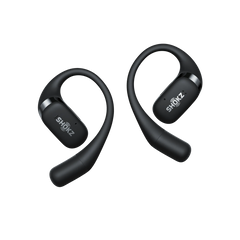
Smart audio gear easily fits into all these categories without cluttering your bike. Choosing open-ear headphones means you get clear voice navigation for unfamiliar routes and top-quality sound for your playlists. Best of all, this happens while keeping your ears totally open to traffic.
Essential City Cycling Accessories Every Rider Needs
City riding throws a lot at you: traffic lights, pedestrians, tram tracks, and drivers who aren't always paying attention. A well-thought-out kit makes all the difference between a stressful commute and a smooth one.
Here's what belongs in every city cycling kit:
- Front and rear lights. Even during the day, a flashing light makes you far more visible to drivers.
- A reliable lock. City cycling essentials always include decent security, especially if you're locking up in busy areas.
- A puncture repair kit. Glass and debris are more common on city streets than most people expect.
- A phone mount or secure pocket. Handy for navigation, but never for scrolling while riding.
- A properly fitted helmet. Non-negotiable, a legal requirement
- Reflective gear or a hi-vis vest. Useful for early morning or evening rides when visibility drops.
- Comfortable, aware audio gear. More on this below, because how you listen to music matters just as much as what you listen to.
These city cycling accessories aren't about looking flashy. They're about making everyday rides safer and less stressful, which is really what most commuters are after.

How to Stay Aware While Listening to Music During Cycling
Playing your favourite playlist can make a boring commute enjoyable. However, using standard audio gear on public roads can be a serious safety risk.
Hearing a horn, a shouting pedestrian, or an accelerating ute gives you the split-second warning needed to avoid an accident.
Standard earbuds and heavy headphones block your ear canal entirely. Blocking ambient noise is effective in a gym, but doing so on a busy city street removes your key sensory awareness.
Relying on transparency modes on wireless earbuds usually backfires on a bicycle. The small outer microphones gather heavy wind noise once you pick up speed. This creates an annoying rush of static that forces you to turn the volume up way too high just to hear your music.
Mounting a Bluetooth speaker on your handlebars is another workaround that quickly loses its charm. Speakers drain batteries quickly and struggle to project over the noise of heavy diesel engines. They also force everyone nearby on the shared path to listen to your music.
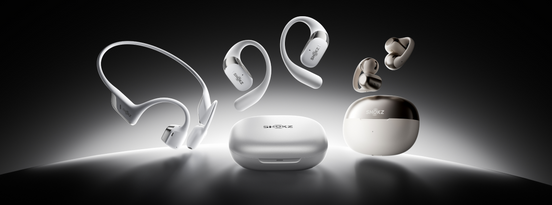
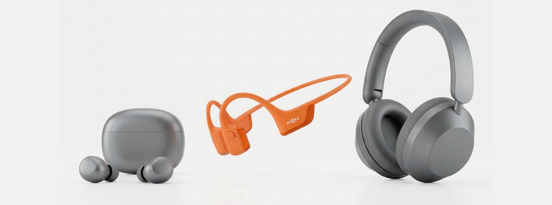
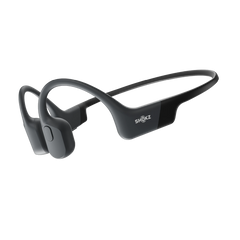
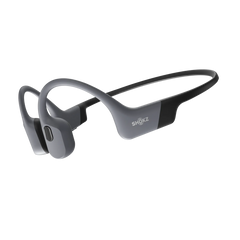
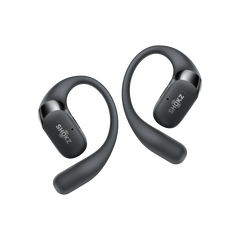
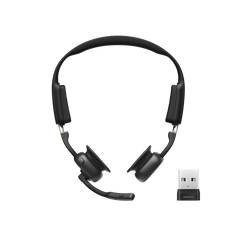
Open-ear bone conduction technology solves this problem cleanly. It transmits sound vibrations through your cheekbones directly to your inner ear. Your ear canal stays completely open. This allows traffic sounds, footsteps, and sirens to reach your eardrums naturally alongside your audio.
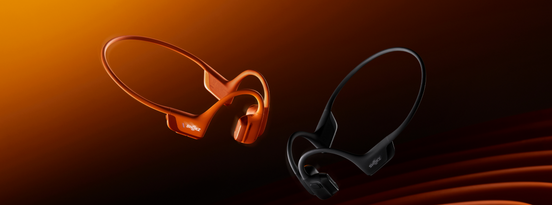
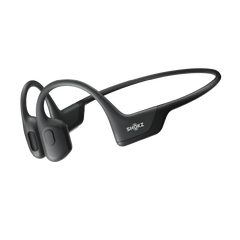
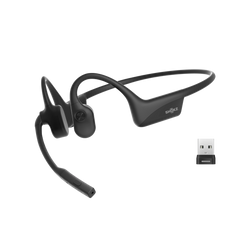
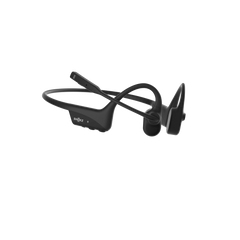
The Shokz OpenRun Pro 2 sets a high benchmark for city-cycling audio with its DualPitch technology. This setup uses a bone conduction unit for crisp mids and highs. It pairs that with a dedicated air conduction driver tuned specifically for punchy bass.


Older open-ear models sometimes sounded thin on low notes. DualPitch fixes that completely without plugging up your ears. You get rich, full sound for podcasts while staying totally aware of what is happening on the road.
Built specifically for active use, the OpenRun Pro 2 features an ultra-light titanium frame. It has low clamping force for easy all-day wear under a helmet strap. The IP55 water-resistance rating handles heavy sweat easily. The 12-hour battery life also easily covers a full week of riding to work.
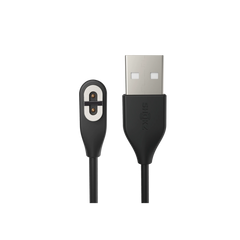
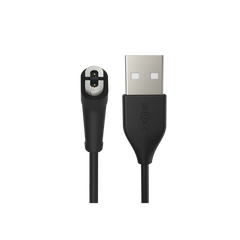
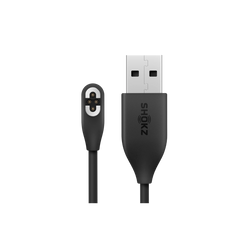
A modern USB-C port makes charging simple with standard cables. A quick 5-minute charge gives you two and a half hours of playback time. You can browse more tips on gear and riding advice over at the Shokz website
Common Questions About City Cycling Accessories
What are the essential city cycling accessories?
The key city cycling essentials include a properly fitted helmet, front and rear lights, a bell, a bike lock, a basic repair kit and a way to carry your phone and personal items. Add accessories based on your route and riding routines.
What should you look for in cycling headphones?
Choose headphones with a secure fit, open-ear design, suitable water resistance, long battery life and simple controls. For city riding, maintaining awareness of your surroundings should be a priority.
Are open-ear headphones good for city cycling?
They can be a good option because they do not seal the ear canal, allowing surrounding sounds to remain audible while you listen to music or podcasts. However, they do not replace visual awareness, safe riding habits or compliance with local cycling rules.
Are Shokz OpenRun Pro 2 headphones good for cycling?
Yes. The OpenRun Pro 2 is designed for sports and features an open-ear design, secure fit, IP55 water resistance and up to 12 hours of battery life. Its combination of comfort and awareness makes it particularly suitable for city commuting and longer rides.