






Wearing clip on earbuds can be a bit of a nightmare when they have to fight for space with your specs. Most designs act like the bit behind your ears is empty real estate, when in reality you’ve already got hardware parked there. The result is those annoying pressure points that start throbbing after twenty minutes — especially on a long commute or a full day at the desk.
That’s exactly what clip on earbuds are meant to fix. Instead of clogging your ear canal or pressing on your temples, they sit where nothing else is competing for room, so they don’t clash with your frames. But comfort isn’t worth much if the sound is rubbish — so what should you actually look for in the best clip on earbuds?
In this guide, we’ll stick to the practical side of picking clip-on earbud headphones that genuinely work with prescription glasses or sunnies. No one in Australia should have to choose between seeing clearly and enjoying a decent podcast. Let’s break down what actually works.
Part 1. Why regular headphones fail glasses wearers
The space behind your ears is like a packed Sydney train at peak hour — once your glasses move in, there’s basically no room left. Something has to give.
Standard in-ear buds are a pain because they rely on a perfect seal. But the moment you nudge your frames, the silicone tips shift, the bass drops off, and you’re left with sound leaking everywhere. It becomes a constant battle: the buds try to work loose, your glasses get pushed into a weird angle, and by lunchtime you’ve got that dull ache you can’t ignore.
Over-ear headphones can be even worse. They trap the arms of your glasses against your head with so much clamping force it feels like a vice. Plastic frames, metal frames — eventually they all dig in. And if you take your glasses off for a second to wipe them, it turns into an awkward tangle of gear that never sits right again.
Even a brisk walk becomes a hassle. Every step can make your frames rub and creak against the headphones, which ruins whatever you’re listening to. It’s the kind of ongoing frustration that makes you want to ditch the whole setup.

Part 2. What makes clip on earbuds different from regular earbuds
The whole point of clip-on designs is that they stop fighting for the same bit of skin. Instead of shoving something into your ear or clamping a big cushion over it, they simply clip onto parts of your ear your glasses don’t touch. It’s a straightforward fix that lets both bits of kit coexist without drama.
1. How clip-on designs work
The clever bit with clip on earbuds is that they don’t wedge themselves into your ear canal. They use a flexible hook or clip to hold onto the outer edge of your ear, while the speaker sits just outside the opening and beams sound in — without that tight, annoying seal.
The attachment point is the real win. Most decent models clip onto the middle or upper part of your ear, which is well away from where your glasses arms sit. That separation means nothing is bumping into anything else. Whether you’re out for a fast walk or nodding along to a podcast, both your glasses and your earbuds stay where they should — without you constantly adjusting them.
Because they don’t plug your ears, they rely on air conduction to deliver audio. You still get clear sound, but you’re not cut off from the world. That’s the whole point of open-ear listening: you can enjoy your music while still hearing traffic, cyclists, or someone saying “sorry” on the footpath — which is a lot safer than being completely blocked out.
2. Benefits for glasses users
The biggest benefit is that clip-on models steer well clear of your temples, which removes the main conflict between your audio gear and your frames. Your glasses can sit naturally, while the earbuds do their thing further forward. Your morning routine becomes simpler too — you just put each on normally, without doing the annoying “glasses over or under” dance.
They’re also a huge help with sweat and skin oils. Anyone who’s gone for a jog in light rain knows how slippery silicone tips get once they’re trapped in your ear. It often ends with your glasses sliding down your nose and your buds working loose. Open clip-on designs let air circulate, so everything stays drier and more stable — even when you’re properly working up a sweat.
Part 3. Key features to look for in clip on earbuds
Not every clip-on design plays nicely with glasses. A few key features are what separate comfy all-day wear from gear that still manages to irritate by mid-arvo.
1. Flexible or adjustable ear hooks
Rigid plastic is a bit of a gamble — it might fit you perfectly, or it might be a total shocker. Look for hooks made from titanium alloy or quality silicone instead, because they’ve got a bit of “give”. The best designs use memory wire that slowly moulds to your ear shape, so after a few days they feel almost custom.
A simple test is the “head shake”. Give your head a proper wobble: if the buds shift just a touch, you’re fine. If they feel like they’re about to launch across the room, the grip isn’t up to scratch — and they’re not going to be the best clip on earbuds for daily wear.
2. Lightweight build (with balanced weight)
If you can, keep the weight under 10 grams per side. But it’s not only about the number — it’s about balance. If all the weight sits at the front, your clip on earbuds will swing like a pendulum every time you turn your head, and that gets annoying fast. You want the bulk sitting closer to your head so the fit feels “planted”, not wobbly.
Also pay attention to where the battery is placed. Smarter designs distribute battery weight across the buds instead of hanging it off a clunky neckband. Picture wearing them for a four-hour stretch: if they feel heavy the moment you put them on, they’ll be misery by lunch.
3. Secure but soft grip
You’re looking for that Goldilocks hold — firm enough to stay put when you’re walking the dog, but gentle enough that they don’t pinch your ears red. Silicone coating on the parts that touch your skin is a must. Hard plastic might look sleek, but it’ll start digging in after an hour, no matter how light it claims to be.
You’ll know you’ve nailed the sweet spot when you can move freely without them shifting, but you also don’t need to pry them off at the end of the day. If taking them off feels like relief, they’re too tight. If they wobble just popping down to the shops, they’re too loose.
Part 4. Match clip on earbuds to your glasses style
Your frame shape affects which clip-on designs work best. Different glasses bring different fit problems — and some architectures handle them better than others.
1. Thick acetate frames
Chunky acetate frames look great, but they’re absolute space-hogs around your ears. If your specs have thick arms, you’ll want clip on earbuds with a slim, compact hook. Anything wide or bulky will clash with your frames — and that’s a fast track to a headache by midday.
Weight matters even more here. Your glasses already add pressure, so don’t pile on extra. Ultra-light models are the go: under 7 grams per side is a solid target. Ideally, the earbud sits flush to your ear so it isn’t constantly jostling with your frames.
2. Thin wire frames
If you wear thin wire frames, you’ve got it easier. There’s more room, so you can choose the best clip on earbuds based on sound, not just “will this fit?”. Most clip-on styles sit happily alongside thin metal arms.
Still, don’t get too relaxed about it. You want a small gap between where the bud clips on and where your glasses sit. A hook with a bit of “give” helps you tweak the position, so nothing rubs or clicks together when you head out for a brisk walk.
3. Varifocals and reading glasses
If you’re constantly taking your glasses on and off to check your phone or read a menu, you need a pair that’s properly anchored. Nothing’s more annoying than a bud popping off just because you whipped your readers off too quickly.
Go for a slightly firmer grip — something that won’t budge while you’re fiddling with your frames. It also helps if the clip sits a bit lower on the ear. If it’s too high, it’ll catch every time you adjust your glasses. You want clip on earbuds that stay put, so you’re not spending half your day repositioning your kit.
Part 5. Quick tips to maximise comfort
Finding the best clip on earbuds is only half the job. If you want to wear clip on earbuds all day without wanting to rip them off by mid-arvo, the real win is getting your habits right. It’s the small stuff that saves you from constant irritation.
1. Always put your glasses on first
Always — no exceptions — put your specs on first. You want your frames sitting in their “natural” spot before you add any extra gear. If you try to slide your glasses on after the buds are already clipped in, you’ll end up fumbling, knocking everything out of position, and probably smudging your lenses in the process.
2. Adjust the hooks gently
When it comes to the hooks, be gentle. Don’t yank them into shape — make small, gradual tweaks instead. Give the material a slight flex, then do a quick head wobble to see if they stay put.
- If they’re nipping your skin, open the angle a touch.
- If they feel like they’re about to bolt, tighten the grip slightly.
3. Keep everything clean
Skin oils are a nightmare for grip — they turn both your glasses and your earbuds into a slippery mess. Give your gear a quick wipe once a week with a gentle cleaner. It stops that annoying “glasses sliding down your nose” feeling and helps the kit last longer.
4. Give your ears a breather
No matter how comfy your best clip on earbuds are, your skin still needs a break. Every few hours, take everything off for five minutes. It stops pressure building up and keeps things from getting sore — especially if you’re doing a long desk day or you’re out on a proper hike.
Part 6. Recommended best clip on earbuds for glasses wearers
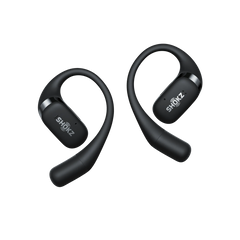
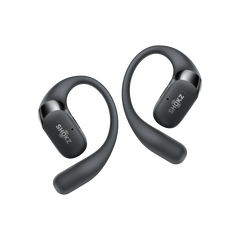
Finding a pair that ticks every box usually takes a bit of trial and error. The Shokz OpenDots ONE stands out because it genuinely feels like it was designed for people who wear specs. It’s not a generic “one-size-fits-all” idea — it’s a proper solution to that classic “too much hardware on one ear” problem.
Each bud weighs a tiny 6.5 grams, so you barely notice them even after a long shift. The design uses Shokz JointArc technology — a super-thin, flexible titanium alloy that moulds to your ear instead of fighting it. Unlike rigid plastic that digs in, this setup sits comfortably without that constant pressure.
Key features that make it great for glasses users:
- Works with sunnies, hats, and caps: The hook sits well clear of your glasses arms, whether you wear chunky acetate frames or thin wire frames. That prevents hotspots and pressure points from building up.
- Dual drivers with Bassphere: Two separate speakers deliver a fuller, punchier sound. You get proper bass without having to shove a silicone tip deep into your ear canal — a big comfort win.
- DirectPitch for privacy: Directs sound into your ear so it doesn’t leak as much. Handy on a packed train or in a quiet office.
- Dolby Audio soundstage: Creates a more spacious, natural sound so calls and streaming feel immersive, without making your head feel “stuffed”.
- 40 hours total battery: 10 hours from a single charge, with the case taking it up to 40. Less midday panic hunting for a cable.
- IP54 water resistance: Handles sweat, splashes, and the kind of drizzle you’ll cop on an early morning dog walk.
- Physical multifunction buttons: Proper clicky buttons, not fiddly touch controls. You can change volume or answer calls without looking at your phone — or accidentally nudging your glasses out of place.
Overall, it feels like a design built to let your specs and your earbuds coexist peacefully. Whether you’re commuting, working at your desk, or heading out for a run, they stay put and let you get on with your day.

Final thoughts
At the end of the day, wearing glasses shouldn’t mean settling for rubbish audio — or a headache by mid-arvo. Clip on earbuds fix that long-running battle between your frames and your headphones by simply using space that was already there. As long as you look for flexible hooks, a lightweight build, and a grip that won’t pinch your ears red, you’ll be sweet. It’s all about choosing gear that lets your specs and your music live together — without the constant faff.
The Shokz OpenDots ONE is a solid example of what happens when someone actually designs for people like us. It removes the daily hassle of nudging your glasses back into place or constantly adjusting your buds. Packed commute, desk day, or a run around the block — it just works. You can stop thinking about the hardware on your head and get on with life, which is exactly how it should be.
Frequently Asked Questions
1. Do clip on earbuds work with thick-frame glasses?
They definitely can — you just need to be smart about placement. The trick is choosing the best clip on earbuds with a slimmer profile that sits a bit further forward on your ear. That way, they’re not constantly knocking into the thick acetate arms of your specs. In general, avoid anything that tries to stack too much hardware right where your glasses hinge sits.
2. Can I wear clip on earbuds all day without pain?
It mostly comes down to weight and how much they nip your ears. If you keep it under about 7 grams per side, you’re usually sweet. The Shokz OpenDots ONE is a solid option at 6.5 grams — it uses flexible titanium clips instead of hard plastic, so you’re far less likely to get that throbbing, “clamped” feeling after a few hours at your desk.
3. Will clip on earbuds leak sound in a quiet office?
Open-ear designs won’t be as silent as earplugs, but the tech is miles better than it used to be. Most decent models use directional audio to aim sound into your ear rather than spraying it outwards. If you keep the volume sensible, someone sitting about a metre away will usually have no idea what you’re listening to.
4. What should I do if one side feels tighter than the other?
Totally normal — most ears aren’t perfectly symmetrical. If one side feels tight, gently bend the hook outward a touch to relieve pressure. If the material isn’t adjustable, give them a few days to “bed in” and mould to your shape. If they’re still digging in after a week, it’s probably just not the right fit for your ear anatomy.