






We’ve all seen someone at the gym absolutely cooked after ten minutes, or heard mates raving about their latest hiit training session. If you’re stuck in a rut — doing the same old workouts and getting nowhere — it’s frustrating. Or maybe you’re just time-poor and need something that actually works without taking up your whole night.
That’s the big appeal of hiit training: it promises the same gains, sometimes better, in a fraction of the time of a long cardio grind. Sounds too good to be true, right? But there’s a real reason these short, sharp bursts deliver results.
This guide cuts through the fitness noise to explain what hiit training actually involves, and how it changes your body differently from steady cardio. You’ll also pick up practical gear tips — including sports headphones that make intense sessions easier to stick with — plus a simple 20-minute routine you can start tomorrow, and the key reason HIIT is so effective for busy people chasing real change.
Part 1. What Are HIIT Workouts?
On paper, HIIT stands for High-Intensity Interval Training, but that label doesn’t capture how hard you actually have to work. In real life, it’s about splitting your workout into short bursts of maximum effort, followed by just enough recovery to stop you from falling in a heap.
During the work intervals, you go properly all-in: think full sprints instead of a light jog, or explosive jumps instead of gentle steps. The rest periods are just long enough to get your breath back — barely — before the next round starts. A session might only run 15 to 30 minutes, but it can leave you feeling more wrecked than an hour on the bike.
The whole point is intensity over duration. When you commit and truly push during those intervals, you hit a level of metabolic stress that triggers adaptation. It’s a completely different beast from cruising along at a steady, moderate pace.

Part 2. How HIIT Training Transforms Your Body
The benefits of HIIT go beyond what you burn while you’re actually sweating. Your body reacts to that stress in a specific way, pushing your metabolism and cardiovascular system to level up at the same time.
1. Burning Calories After You Finish
One of the best parts of a HIIT session happens after you’ve dried off and headed home. Hard intervals can trigger the “afterburn effect”, where your metabolism stays elevated for hours while your body repairs muscle and tops up energy stores. If you squeeze in hiit training before work, you’re still burning extra calories later — even while you’re stuck at your desk.
2. Boosting Heart Fitness Faster
The cardio gains from HIIT often show up quicker than traditional endurance work. Studies repeatedly link hiit training with stronger improvements in VO2 max — basically your body’s ability to use oxygen — compared with plodding along for ages at a moderate pace.
With consistency, people can see measurable improvements in heart function within a few weeks. For anyone juggling deadlines, family chaos, and the general busyness of life in Australia, that’s the appeal: you can build real fitness without living in the gym.
3. Losing Fat While Keeping Muscle
A big draw of HIIT is how it can change body composition. Long, steady cardio can help with fat loss, but it doesn’t always lead to that more defined, athletic look.
HIIT works differently. The explosive movements and max effort intervals send strong “keep the muscle” signals. Even in a calorie deficit, your body recognises it needs power-producing tissue. Fat stores get leaned on heavily for recovery and adaptation, while lean muscle is protected — and for some people, even nudged towards growth. That’s why HIIT can be a smarter route to a toned look than hours on a treadmill.
Part 3. Why HIIT Workouts Suit the Busy Australian Lifestyle
One of the best things about hiit training is what it can do for your body shape in a relatively short window. We’ve all seen the alternative: long, steady cardio sessions that might help you lean out a bit, but often leave you looking a bit “flat” rather than strong, toned, and defined.
HIIT works differently. Because the work intervals are explosive and genuinely demanding, your body gets a clear signal to hold onto muscle. It recognises that power-producing tissue is useful — even if you’re burning through more fuel than you’re taking in.
In practice, that means fat stores become a key energy source during recovery, while lean muscle stays protected (and can even improve). That’s how you build that athletic look so many people chase for hours on a treadmill without ever quite getting there.
Part 4. Simple HIIT Gear That Actually Helps Your Workout
You don’t need a massive kit bag to get a great HIIT session done. But a few smart bits of gear can genuinely save your workout — not expensive gimmicks, just practical tools that stop you wasting time adjusting things when you should be grinding out the last rep.
1. Open-Ear Headphones as Workout Earbuds for HIIT
Standard earbuds can be a total headache during HIIT. Do a few jumping jacks and they’re slipping out; hit a set of burpees and they’re halfway across the gym floor. Then there’s the sweat — it builds up in your ears, creates that gross squelchy feeling, and makes earbuds slide even faster. By the third circuit, you’re spending more time fixing your fit than actually training.
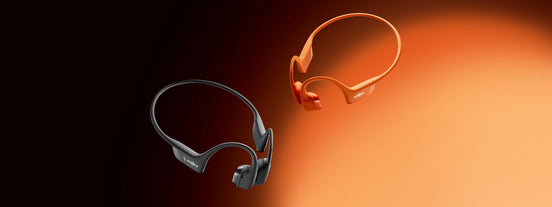
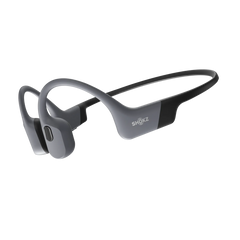
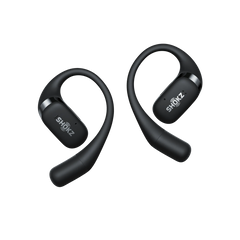
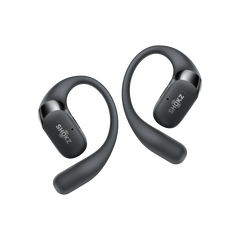
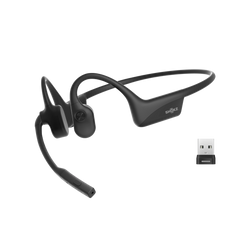
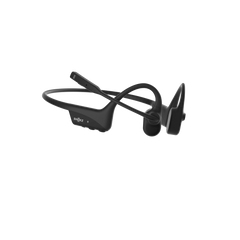
The Shokz OpenFit 2+ changes the game because it doesn’t sit inside your ear canal. It rests just outside and uses air conduction to deliver sound. With nothing blocking your ear canal, sweat doesn’t ruin the fit or make things feel nasty. And you can still hear what’s happening around you — which is exactly why open-ear designs make sense for sports headphones, especially if you train outdoors, in a busy commercial gym, or along shared paths.
Here’s why they’re a top pick for your next session:
- DualBoost™ technology with dual drivers: You still get a proper bass hit from the 17.3mm unit to keep you moving when you’re fading, while vocals stay clear even when you’re gasping mid-interval.
- Ultra-Soft Silicone™ 2.0 construction: At 9.4 grams, they feel basically weightless. They mould to your ear and stay put — no bouncing, no shifting, even during explosive movements.
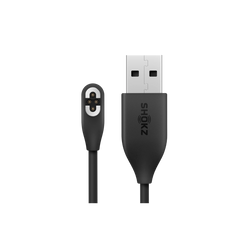
- 11-hour battery with fast charging: One charge easily covers a full week of training. And if you forget to plug them in, a 10-minute quick charge gives around two hours — enough to get your session done.
- IP55 water resistance: Between sweaty indoor sessions and the occasional outdoor drizzle, they handle moisture without crackling or cutting out mid-set.
- Physical multifunction buttons: When your hands are slick with sweat and you’re cooked, touch controls are unreliable. Proper buttons make it easy to skip tracks or take a call without fumbling.
- Bluetooth 5.4 with multipoint pairing: Stay connected to your phone and laptop at the same time — handy if you’re juggling work and training without the usual pairing drama.
Because they stay secure and keep you aware of your surroundings, these are a strong option when normal earbuds just give up. You can stop thinking about your gear and focus on the work.
2. A Reliable Interval Timer App
Your phone’s basic stopwatch won’t cut it. You want an app that calls out when to work and when to rest — especially when you’re too busy “dying” to look at the screen. Free interval timers are more than good enough; audio cues mean you can keep moving without checking the clock face-down on the floor.
3. Supportive Trainers with Grip
Cheap flats might be fine for a walk, but they’ll punish your joints during HIIT. Go for proper cross-trainers with lateral support for side-to-side movement. If you can, avoid running-only shoes — they’re built for forward motion, but they don’t always give the stability you need for quick cuts and explosive landings.
4. Sweat Towel and Hydration
It sounds obvious, but plenty of people still forget. HIIT makes you sweat fast. A small towel keeps sweat out of your eyes and stops your hands slipping during floor work. Keep water within arm’s reach too — your rest windows are short, so make those sips count.
Part 5. A Simple 20-Minute Beginner HIIT Workout
The best thing about this routine is you don’t need any fancy gear — just yourself and a bit of floor space. It’s a straightforward intro to hiit training that won’t leave you totally cooked, but you’ll still feel like you’ve put in a proper shift.
1. The Warm-Up
Whatever you do, don’t dive in cold. HIIT includes explosive movements, and tight joints or “cold” muscles are a recipe for a tweak. Give yourself five minutes to get the blood moving:
Start with a gentle jog on the spot for a minute to lift the heart rate. Then do arm circles — 10 forwards, 10 backwards — to loosen your shoulders. Add 10 bodyweight squats (go deep, don’t rush) and 10 walking lunges. Finish with 10 easy jumping jacks to prep for the harder work to come.
2. The Main Circuit
You’ll run through this circuit four times. Each work interval is 30 seconds on, followed by 30 seconds to catch your breath. Do all five moves back-to-back, then take a full minute of rest between rounds.
Exercise 1: High Knees – Drive your knees up towards your chest as quickly as you can. Fast feet, tall posture. This spikes your heart rate from the first rep.
Exercise 2: Push-Ups – Standard or on your knees — either works. Lower with control, then press up with intent. Five clean reps beat twenty sloppy ones. If you start fading, drop to your knees mid-set rather than bailing.
Exercise 3: Jump Squats – Sit into a squat, then explode up. Land softly with bent knees so your joints don’t cop it. These are brutal for the lungs but brilliant for power.
Exercise 4: Mountain Climbers – Start in a push-up position and drive your knees in like you’re sprinting uphill. Keep your hips down — don’t let your bum shoot up.
Exercise 5: Burpees – The move everyone loves to hate. Drop down, do a push-up, jump your feet in, then pop up. They’re rough because they combine everything that makes HIIT hard. If the jump is too much, step your feet forward instead.
Once you’ve done all five, take that 60-second rest — then repeat three more rounds.
3. The Cool Down
Finish with five minutes of easy movement. Don’t just flop straight onto the couch — walk around until you’ve actually caught your breath. Stretch your quads, hamstrings, and chest, holding each for 30 seconds. It’s the simplest way to dodge that “can’t walk tomorrow” feeling. Do this properly and you’ll be more likely to show up for your next hiit training session instead of dreading it.

Final Thoughts
At the end of the day, what are HIIT workouts? It’s a simple trade: go all-in for 20 minutes and you’ll earn the results you’re chasing. The beauty is you don’t need to live at the gym — it’s efficient. You can shift your fitness and burn fat in a fraction of the time, but only if you’re willing to put in the work.
If you want progress, you can’t cruise through the work intervals. You’ve got to commit. Use whatever helps you stay locked in — turn the music up and keep pushing until the timer ends. A solid pair of sports headphones like the Shokz OpenFit 2+ can be the one bit of kit that keeps you moving when things get grim.
The best part is hiit training scales with you. When you’re ready, add another round or shorten your rest. The framework stays the same whether you’re brand new or well trained — it’s just the intensity that changes. So don’t overthink it. Start today.
FAQ: Common Questions About HIIT Workouts
1. Are open-ear models the best workout earbuds for HIIT?
For most people, they’re a better option. Traditional earbuds can be a nightmare — they pop out during burpees and trap sweat in your ear canal. Something like the Shokz OpenFit 2+ stays put when you’re jumping around and feels more comfortable over longer sessions. Plus, being able to hear what’s happening around you is a big safety win if you train outdoors.
2. Do open-ear headphones leak sound at the gym?
Not really. Modern ones like Shokz use clever directional tech that beams the sound straight into your ears. Unless you’ve got your music cranked up to a ridiculous level, the person on the next treadmill won't hear a thing. Most of the "leakage" people worry about came from older models; keep the volume at a sensible level and you’re golden.
3. How long should a HIIT workout be for beginners?
Aim for 15–20 minutes to start, including the warm-up. You might only be doing 10 minutes of truly hard work, but that’s plenty. This isn’t about slogging for an hour — it’s about how hard you go in short bursts. Quality over quantity, every time.
4. Is a HIIT workout safe if I am overweight?
It can be, as long as you’re smart about impact. Don’t start with full burpees on day one — swap jump squats for step-ups, or do push-ups against a wall to protect your joints. The interval structure stays the same; you’re just choosing low-impact HIIT moves that are kinder on your knees. Listen to your body and build up gradually.
5. Do I need equipment for HIIT exercises?
Not really. You can get a proper sweat-on session with bodyweight and a bit of floor space. If you want to add dumbbells or a kettlebell later, go for it, but it’s not essential. The only gear that truly matters is supportive trainers — and something to keep you motivated when the work gets tough.