










What do you do when your legs are tired, the climb feels never ending, and you start wondering why you thought this was a good idea?
Every hiker reaches that point. Your pace slows, your energy dips and suddenly the end of the trail feels much further away than it did an hour ago. It is tempting to stop, especially when the weather turns or you look up and there’s another steep track.
But knowing how to keep going on a hike is not simply about pushing harder. It’s more about managing your energy, staying comfortable and giving your mind something positive to focus on.
By pacing yourself and choosing the right snacks to finding your rhythm with music or podcasts, a few simple changes can make a long walk feel much more manageable and enjoyable.

Practical Hiking Tips to Keep Your Body Going
It’s easy to get carried away with fresh legs and the weather is cool. That pace can catch up with you later on, especially once the track becomes steeper or the temperature dramatically changes
Ease into your pace
Start more slowly than you think you need to. You can always pick up the pace once your body has warmed up.
A good hiking speed should let you talk in short sentences without struggling for breath. When the trail heads uphill, shorten your steps rather than trying to power through with big strides. Slow and steady might not look exciting, but it gets you there.
There’s also no rule saying you need to keep up with the fastest person if you’re in a group. Walk at a pace you can maintain.
Eat before you run out of energy
Hunger can sneak up on you during a hike. One minute you feel fine, hunger hits, and even the next a small hill seems unreasonable.
Bring snacks that are easy to reach. Good options include:
- Trail mix or nuts
- Muesli bars
- Fresh or dried fruit
- Crackers and cheese
- A sandwich or wrap
- Lollies or another quick source of energy
- Electrolytes for longer or hotter walks
Small snacks throughout the day can be more helpful than waiting until lunch.
Keep drinking, even when it isn’t especially hot
You don’t need to be hiking in the middle of an Australian summer to become dehydrated. Cool or windy weather can make it less obvious that you’re losing fluid.
Take regular sips rather than waiting until you feel thirsty. Carry more water than you expect to need, particularly on remote tracks where there’s nowhere to refill.
Make your breaks count
A quick stop can do wonders, but settling in for too long may leave your legs feeling stiff.
Take a few minutes to drink, have a snack and catch your breath. Check your feet for sore spots, loosen or tighten your pack straps, then start walking again at an easy pace.
If you feel dizzy, confused, unusually weak or seriously unwell, don’t treat it as a motivation problem. Stop, assess the situation and seek help if needed.
Mental Tricks: How to Stay Motivated While Hiking
Sometimes your body has more left in the tank than your brain thinks it does.
Fatigue changes your perception. A hill that looked manageable earlier can suddenly seem enormous. This is where knowing how to stay motivated while hiking becomes just as important as physical preparation.
Stop thinking about the finish line
- If the end still feels hours away, refocus
- Give yourself one small job: reach the next bend.
- Then the next tree.
- Then the next viewpoint.
- You are still making progress, even when it feels slow.
Use the “just keep moving” rule
When motivation disappears, don't negotiate with yourself about finishing the entire hike.
Tell yourself to walk for another five minutes.
After five minutes, reassess.
Often, getting moving again is enough to break the mental wall. If you genuinely feel unwell, injured, dizzy or unsafe, however, stopping is the right decision. Motivation should always take a backseat to sound trail judgment.
Change your focus
Your thoughts can either make a hike feel harder or help you stay engaged.
This is one reason audio can be so useful.
A favourite playlist can give your brain something to follow. A podcast can make a long stretch of track feel like listening time rather than walking time. An audiobook can even turn a familiar route into something new.
The trick is finding audio that matches the moment.

Find Your Rhythm: The Power of Audio on the Trail
The right soundtrack can change the feel of a hike.
Hiking is different from sitting on a train or working at a desk. You still need to hear what is happening around you.
That is where open-ear headphones have an advantage.
Rather than completely sealing the ear canal, open-ear designs allow you to listen while remaining more connected to your surroundings. That can be useful when hiking in places where other walkers, mountain bikers, changing weather or trail conditions matter.
The Best Shokz Headphones for Hiking
Two Shokz models stand out for different types of hikers.
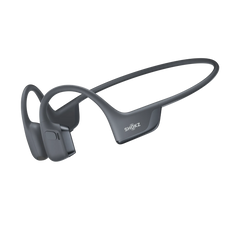
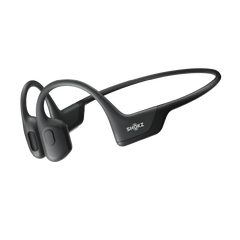
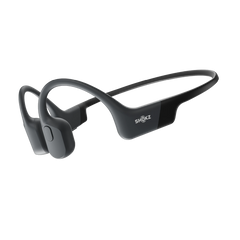
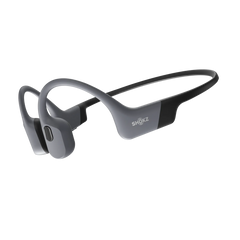
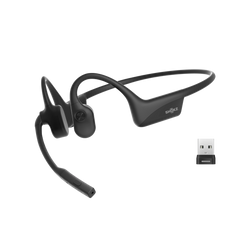
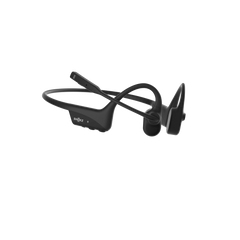
Shokz OpenRun Pro 2 is the natural choice for active hikers who want a secure, lightweight design that stays put while moving. Its open-ear bone conduction and air conduction system uses Shokz DualPitch technology, with the wraparound design giving you a secure fit. It has up to 12 hours of battery life and has an IP55 water-resistance rating.


For longer hikes, that battery life is useful. You can also get up to 2.5 hours of listening from a five-minute quick charge.
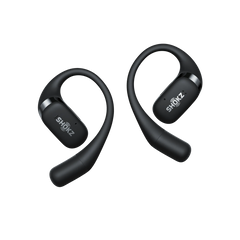
Shokz OpenFit 2+ takes a different approach. These open-ear wireless headphones sit around the ears, making them a good option if you want something that feels more like conventional earbuds without blocking your ears. They feature DualBoost technology, Dolby Audio, a secure flexible ear hook and up to 11 hours of listening from a single charge, with up to 48 hours using the charging case.
The OpenFit 2+ also has an IP55 water-resistance rating, Bluetooth 5.4 and physical multifunction buttons, which can make controlling your audio easier when you are on the move.
What about other hiking headphones?
Traditional in-ear headphones such as AirPods or other sealed earbuds can deliver excellent sound, but they’re physically inserted into your ear canal. Noise-cancelling models can also reduce awareness of surrounding sounds when ANC is enabled.
Open-ear headphones take a different approach. They prioritise listening while keeping the ears open to the environment.
For hiking, that can be a useful distinction, particularly on shared tracks or routes where being aware of your surroundings matters.
Common Questions About Maintaining Energy and Motivation on a Hike
How do you keep going on a hike when you are tired?
Slow down rather than stopping immediately. Take smaller steps, drink some water, have a snack and break the remaining distance into short sections.
How do you stay motivated while hiking?
Set smaller goals instead of focusing on the entire distance. Reaching the next lookout, track marker or rest point can feel much easier than thinking about another five or 10 kms.
Music, podcasts or audiobooks can also help on long or repetitive parts of the trail.
What should you listen to while hiking?
It depends on the trail and your mood. Upbeat music can help create a walking rhythm, while podcasts and audiobooks are useful when you want something to keep your mind occupied.
What are the best headphones for hiking?
Look for headphones that are comfortable, secure, sweat-resistant and able to support awareness. OpenRun Pro 2 is well suited to active hikes because of its connected frame and long battery life. OpenFit 2+ is a versatile alternative for walkers who prefer separate true wireless earbuds.