






- The Core Hiking Trail Essentials: What Every Backpacker Needs
- Day Hike vs. Multi-Day Trek: Adjusting Your Packing List by Trip Length
- Beyond the Basics: Overlooked Gear That Upgrades Your Trail Experience
- Stay Aware on the Trail: Meet the Shokz Open-Ear Range for ANZ Hiking
- Common Questions About Hiking Packing Lists and Trail Gear
A good hike can change quickly. You can go from enjoying an easy-going stretch of bushland to climbing a steep track, crossing a creek or sharing the trail with mountain bikers and other walkers.
Which is why the right hiking gear matters.
Your hiking packing list should cover the basics while also making the experience more comfortable and enjoyable. That includes choosing the right headphones.
The best hiking headphones should deliver clear audio without completely cutting you off from what’s happening around you.
For Australian hikers, where conditions can range from hot, humid coastal tracks to exposed alpine trails, your gear needs to work in with the environment to make your hiking more enjoyable.

The Core Hiking Trail Essentials: What Every Backpacker Needs
A lighter pack is great, but leaving behind the essentials is not worth the risk. Whether you are heading out for a coastal walk, a forest loop, or a section of the Australian Alps Walking Track, take gear that’ll keep you hydrated, protected, and prepared.
What belongs in every hiking pack?
- Water bottle or hydration bladder, with extra water for warmer conditions.
- Food and high-energy snacks, like muesli bars, fruit, nuts or sandwiches.
- Sun protection, including a hat, sunglasses and SPF 50 sunscreen.
- Lightweight rain jacket and an extra warm layer.
- Comfortable footwear with suitable grip for the terrain.
- Map, phone with offline maps, compass or GPS device.
- Small first-aid kit, personal medication and blister treatment.
- Head torch, even if you expect to finish before dark.
- Emergency whistle, power bank and a rubbish bag.
- Insect repellent and hand sanitiser.
- Small day pack with a rain cover or waterproof liner.
Then there’s the gear that makes the walk more enjoyable.
A pair of headphones can be useful on longer stretches of trail, particularly if you enjoy music, podcasts or audiobooks. But hiking is different from sitting on a train or working at a desk. You still need to hear what is happening around you.
Traditional in-ear earbuds create a seal in the ear canal, while over-ear headphones cover the ears. Both can provide excellent sound, but they can also reduce your awareness of the sounds of nature.
Open-ear headphones take a different approach. They allow you to listen while keeping your ears open to sounds around you.
For more ideas, browse the Shokz Adventure range.
Day Hike vs. Multi-Day Trek: Adjusting Your Packing List by Trip Length
Not every hike needs a fully loaded backpack.
For a few hours on a familiar local trail, carrying too much can be almost as annoying as forgetting something important. A practical day hike packing list should be lightweight enough to allow easy movement while including all necessary necessities.
For a day hike pack
- Water and snacks
- Sun and rain protection
- Navigation
- First aid
- Phone and power bank
- Lightweight layers
- Headphones
- Emergency essentials
Your audio gear deserves a little thought here. Battery life should be sufficient for the planned hike.
Multi-day treks need more planning.
You’ll need additional food, more clothing, a larger first-aid kit and camping gear. Weight becomes much more important because every extra item is carried for every kilometre.
This is where lightweight headphones make sense.
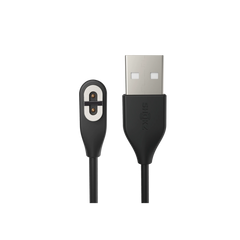
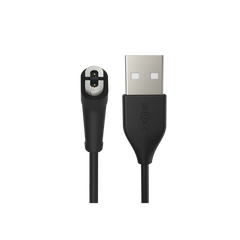
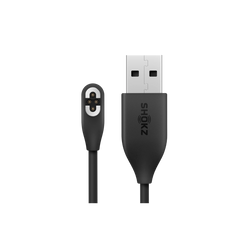
An open-ear model can provide entertainment without requiring you to carry a separate bulky headset. Just remember that battery life is only useful if you have a way to recharge. Pack a compact power bank and charging cable.
Weather protection matters too.
Check the water and sweat resistance rating of your headphones before heading into unpredictable conditions. The Shokz OpenRun Pro 2, for example, has an IP55 rating and up to 12 hours of battery life, making it a great choice for long outdoor activities.
Beyond the Basics: Overlooked Gear That Upgrades Your Trail Experience
Some of the most useful hiking gear doesn’t always make it to the top of a packing list.
A small power bank is one example. Your phone may be your camera, map, emergency contact and source of entertainment, so letting the battery run flat is not an option.
Another is a proper pair of headphones.
The wrong headphones can become a distraction. They might need constant adjustment, become uncomfortable after a few hours or isolate you from the sounds of the trail.
The right pair should almost disappear into the experience.
That means looking beyond sound quality and considering several practical factors:
Fit and stability
Uneven tracks, tree roots and steep climbs can put ordinary earbuds to the test. Wear a secure pair that stays in place without needing constant adjustment.
Battery life
Choose enough battery life for your planned adventure, not just your average commute. A quick-charge feature is also useful when you discover your headphones are almost flat before leaving the car park.
Water and sweat resistance
Sweat, humidity and unexpected showers are part of hiking in Australia. Check the manufacturer's IP rating and understand exactly what it covers.
Situational awareness
This may be the most important consideration.
You want to enjoy your playlist without completely losing touch with the trail. You may need to hear another hiker approaching, a mountain biker calling out, or even the changing sounds of the setting.
This is where open-ear headphones have a natural advantage.
Unlike conventional earbuds, they don't completely seal the ear canal. Bone conduction headphones take this concept further by transmitting sound through vibrations rather than relying solely on a speaker inside the ear canal.
For hiking, that means you can have your own audio playing while still hearing what’s going on around you.
Stay Aware on the Trail: Meet the Shokz Open-Ear Range for ANZ Hiking
Hiking headphones have to do more than sound good.
They need to keep you comfortable and secure while you're moving and give you the freedom to stay connected to your surroundings. That's exactly where Shokz open-ear technology fits naturally into your hiking experience.
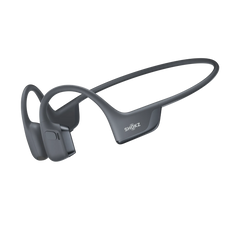
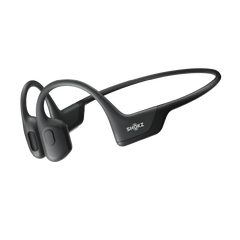
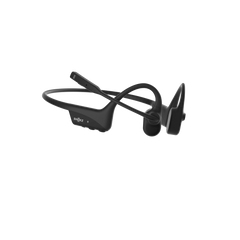
Two models stand out for Australian hikers: the OpenRun Pro 2 and OpenFit 2+.
Shokz OpenRun Pro 2: Best for active and longer hikes
The OpenRun Pro 2 is the natural choice for active hiking adventures.
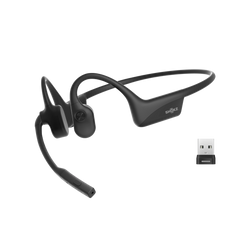
It uses Shokz's DualPitch technology, combining bone conduction and air conduction drivers to improve sound quality while maintaining an open-ear design. It offers up to 12 hours of listening, quick charging, and an IP55 sweat- and water-resistance rating.
The wraparound design is another advantage on the trail. Instead of relying on an earbud that sits inside the ear canal, the frame is designed to stay stable as you move.
That makes the OpenRun Pro 2 particularly appealing for hikers who also run, cycle or trail train.
It is also worth considering if you prefer physical controls. Buttons can be easier to operate when your hands are sweaty or you're wearing gloves. Shokz specifically highlights physical controls in its sports headphone design.
Shokz OpenFit 2+: Best for everyday hiking and versatile listening
The OpenFit 2+ takes a different approach.
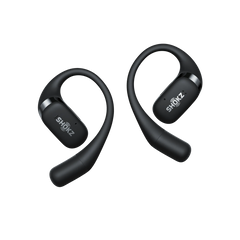
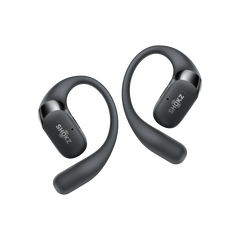
Instead of a wraparound bone-conduction frame, it uses an open-ear ear-hook design. Each bud weighs 9.4g, while the design is intended to provide a secure fit without sealing the ear canal. It also offers up to 48 hours of listening with the charging case.
For hikers who want something that works beyond the trail, this is an appealing option.
The OpenFit 2+ can move easily between a weekend walk, the morning commute, a gym session and everyday listening. Its DualBoost audio system and Dolby Audio are designed to provide a fuller listening experience while retaining the benefits of an open-ear design.


Which Shokz model should you choose?
| Best for | Recommended model | Why |
|---|---|---|
| Secure fit on active trails | OpenRun Pro 2 | Wraparound design, bone conduction and up to 12 hours of playback |
| Richer everyday listening | OpenFit 2+ | Dual drivers, Dolby Audio and up to 48 hours with the case |
| Minimal charging | OpenFit 2+ | Long total battery life and wireless charging |
| Trail running and fast movement | OpenRun Pro 2 | Stable frame designed for active use |
| Flexible work-to-trail use | OpenFit 2+ | Separate earbuds with physical controls and multipoint pairing |
Both models are better suited for outdoor use than sealed in-ear or noise-cancelling headphones.

Common Questions About Hiking Packing Lists and Trail Gear
What should I pack for a day hike?
A good day hike packing list should include water, food, sun protection, weather protection, navigation devices, a basic first-aid kit, a fully charged phone, and emergency essentials. Depending on the trail, you may also want a power bank, headlamp, insect repellent and hiking headphones.
What are the best headphones for hiking?
The best hiking headphones depend on your priorities. Open-ear headphones are particularly useful if you want to listen to music, podcasts or audiobooks while remaining aware of your surroundings. The Shokz OpenRun Pro 2 is designed for active outdoor use, while the OpenFit 2+ offers a more versatile ear-hook design for hiking and everyday listening.
Are bone conduction headphones good for hiking?
Yes. Bone conduction headphones are well suited to hiking because they don't rely on traditional earbuds sealing the ear canal. This open-ear approach lets you enjoy audio while staying connected to the sounds around you. The OpenRun Pro 2 combines bone conduction and air conduction drivers to deliver a richer audio experience while retaining its open-ear design.
Are open-ear headphones good for hiking?
Open-ear headphones can be a strong choice for hiking because they let you enjoy music or podcasts while keeping your ears open to surrounding sounds.