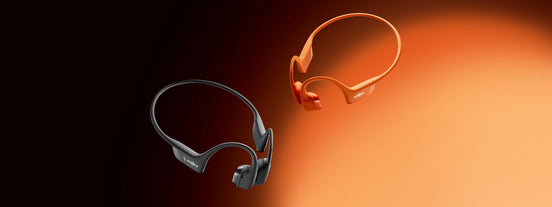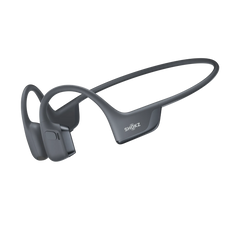
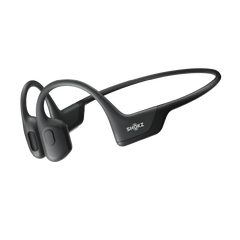

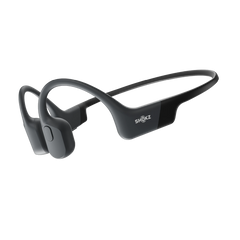
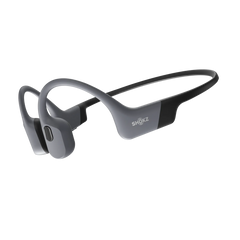


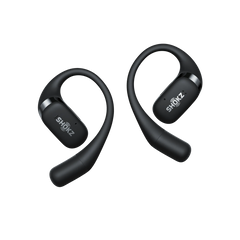
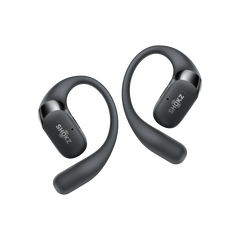


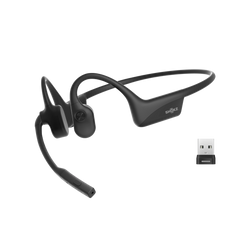
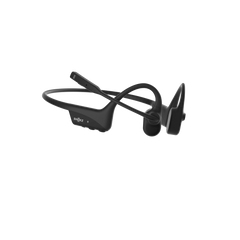


Fortunately, open-ear headphones, such as innovative models from Shokz, allow you to stay aware of your surroundings while providing mild noise reduction, making for a safer and more comfortable listening experience. This article explores how noise cancelling works, its advantages and disadvantages, and why Shokz open-ear designs are a popular ear-friendly alternative.
Understanding Noise Cancelling Technology & Its Impact on Your Ears
How Noise Cancelling Works & Its Effectiveness
Noise cancelling comes in two main forms:
- Passive noise cancelling – physical isolation using ear pads or tips to block sound.
- Active noise cancelling (ANC) – microphones detect ambient noise, and the headphones emit anti-noise waves to cancel it via destructive interference.
ANC itself does not damage your ears. In fact, by reducing background noise, it often allows you to listen at lower, safer volumes.
Advantages of Noise Cancelling Headphones & Ear Health
Benefits include:
- Listening at lower volumes in noisy environments reduces risk of hearing damage.
- Improved focus during work, study, or travel.
- Some users report better sleep quality in noisy settings.
Disadvantages of Noise Cancelling & Precautions
Potential drawbacks and expert advice:
- Ear pressure sensation – a feeling of “suction” or fullness.
- Overuse risks – prolonged ANC use may affect auditory processing.
- Physical discomfort – extended sessions can lead to ear fatigue or headaches.
- Not a substitute for hearing protection – ANC should not replace earplugs in very loud environments.
Exploring Open Ear Headphones & Their Benefits
What Are Open Ear Headphones & How They Differ
Open-ear headphones rest outside, over, or around your ears, leaving the ear canal unblocked. This design provides situational awareness, allowing you to hear traffic, conversations, or alerts while enjoying audio. Unlike traditional noise cancelling headphones, open-ear models don’t isolate completely but provide mild noise reduction, softening background distractions without cutting you off from your environment.
Open Ear Headphones Benefits & Everyday Use
Key advantages:
- Comfort – no deep ear tips, less fatigue, easier hygiene.
- Safety – ideal for running, cycling, or commuting while staying aware.
- Healthier listening – less need to increase volume due to partial environmental awareness.
- Noise reduction – open-ear designs help reduce background noise moderately, improving clarity.
- Long-term use – comfortable for extended listening without ear fatigue.
When to Choose Open Ear Over Noise Cancelling
Open-ear designs are especially useful for:
- Outdoor activities like running or cycling
- Studying or working in shared spaces
- Prioritizing comfort and avoiding ear fatigue
- Enjoying audio without full isolation
While noise cancelling headphones are better in extremely noisy environments or travel, open-ear headphones provide a balance of comfort, awareness, and mild noise reduction for everyday use.
Choosing the Best Noise Cancelling & Open Ear Headphones
Key Features to Consider & Sound Quality
When choosing headphones, consider:
- Sound quality – drivers, frequency response, EQ options
- Battery life – especially for wireless models
- Comfort & fit – adjustable hooks, clips, or headbands
- Controls & connectivity – touch vs buttons, Bluetooth version
Recommended Products & Comparison
Here are three standout open-ear headphones emphasizing noise reduction, comfort, and usability:
-
Shokz OpenFit 2+
- Noise Reduction: Mild reduction via open-ear DualBoost™ technology
- Pros: Rich bass, all-day comfort, long battery (48 hours with case)
- Cons: Sound leakage, less isolation than ANC models
- Recommended For: Commuting, office calls, everyday listening
- Why Choose: Comfortable for all-day use with moderate noise control
-
Bose Sport Open Earbuds
- Noise Reduction: Light noise reduction while keeping ears open
- Pros: Secure fit for sports, water-resistant, clear mids
- Cons: Shorter battery (~8 hours), weaker bass
- Recommended For: Runners, cyclists, gym-goers
- Why Choose: Safe outdoor listening without losing awareness
-
Sony LinkBuds S
- Noise Reduction: Mild reduction with open-ring design
- Pros: Compact, immersive audio, long battery (~20 hours)
- Cons: In-ear fit may not suit all, slightly higher price
- Recommended For: Office, commuting, casual listening
- Why Choose: Great for moderate noise environments with open-ear comfort
Comparison Table:
|
Model |
Noise Reduction |
Pros |
Cons |
Recommended For |
|---|---|---|---|---|
|
Shokz OpenFit 2+ |
Mild, DualBoost™ |
Rich bass, all-day comfort, long battery |
Sound leaks, less isolation |
Commuting, office calls |
|
Bose Sport Open Earbuds |
Light |
Secure for sports, water-resistant |
Shorter battery, weaker bass |
Outdoor activities |
|
Sony LinkBuds S |
Mild, open-ring |
Compact, immersive audio, long battery |
In-ear fit may not suit all |
Office, commuting, casual listening |
Tips for Optimal Use & Maintaining Ear Health
- Keep volume moderate; follow the 60/60 rule
- Alternate between ANC and open-ear headphones as appropriate
- Clean regularly to prevent sweat buildup
- Remember ANC ≠ hearing protection

FAQs — Noise Cancelling vs Open Ear Headphones
Is noise cancelling bad for your ears?
Not inherently. Overuse or high volume can cause discomfort or fatigue, but safe listening practices prevent damage.
Do open ear headphones provide good sound quality?
Yes. Modern models like Shokz OpenFit 2 deliver clear, rich audio while keeping your ears open.
When should I choose open ear instead of ANC headphones?
For outdoor activities, long-term comfort, or when situational awareness is needed.
Can I use both types together?
Yes. Open-ear headphones are ideal for daily use, while ANC headphones suit travel or focus sessions. Alternating helps protect your ears and optimize listening experiences.