







- What Does Hiking Look Like in Australia?
- Essential Gear for Beginner Hikers in Australia
- How to Choose Your First Australian Hiking Trail
- Essential Safety and Preparation Tips for First-Timers
- Discover Shokz: The Open-Ear Audio Choice for Outdoor Beginners
- Common Questions About Beginner Hiking in Australia
Worried your first hiking trip could turn into a hot, tiring walk with the wrong shoes and no phone reception? Your first hike doesn’t need to involve climbing a mountain, buying expensive boots or carrying enough gear to survive for a week. In fact, it’s probably better to keep things simple.
Pick a manageable local trail, bring the basics and give yourself plenty of time. You’ll learn more from an easy two-hour walk than you will from planning an ambitious trip you’ve never done before.
Hiking in Australia does come with a few challenges. The sun can be fierce, phone reception can come and go, and the weather doesn’t always follow the forecast. But none of that should put you off.
A little preparation goes a long way.

What Does Hiking Look Like in Australia?
In Australia, hiking is often called bushwalking. It can mean anything from following a flat coastal path to walking through rainforest, dry bushland or alpine country.
That variety is one of the best parts of getting outdoors. You might spend one weekend walking beside the ocean and the next exploring a eucalyptus forest. You don’t have to travel far or tackle a difficult route to find somewhere worth visiting.
However, Australian conditions can catch new hikers off guard. Depending on the location and time of year, you could come across:
- Strong UV and very little shade
- Sudden rain, wind or temperature changes
- Rocky, muddy or slippery ground
- Snakes, insects and other wildlife
- Areas with no or unreliable mobile phone coverage
- Bushfire, flood or track-closure warnings
- Few toilets, taps or other facilities
For your first few walks, stick to popular, well-marked tracks close to home. Look at the official track grade as well as the distance. A four-kilometre trail with steep climbs and loose rocks may be much harder than an eight-kilometre walk on a smooth path.
Grade 1 and Grade 2 tracks are usually the best places to start. Once you know how to start hiking, your body handles hills, uneven surfaces and longer distances, you can slowly move on to harder routes.
Essential Gear for Beginner Hikers in Australia
It’s easy to overpack for your first walk. You start with a water bottle, then add spare shoes, three jackets, cooking equipment and enough snacks for a small group.
Try not to do that.
For a short day hike, your gear should cover the main problems you could realistically face: thirst, sun exposure, changing weather, minor injuries, and getting lost.
Comfortable footwear
You don’t necessarily need heavy hiking boots for an easy, maintained track. Trail shoes or sturdy walking shoes with decent grip may be enough.
Whatever you choose, wear it in before the hike. A brand-new pair of shoes can feel fine at home and become painful after an hour of walking
Beginner hiking tip: Comfortable socks are more important than you might think!
A small backpack
A daypack of roughly 15 to 25 litres should have enough room for a short walk. It should rest comfortably on your shoulders without bouncing.
Avoid carrying things in your hands if possible. Having both hands free helps when the ground is uneven, or you need to check a map.
Plenty of water
Take more water than you think you’ll drink, especially in warm weather. Two litres per person is a reasonable starting point for many day walks, but you’ll need more in hot or exposed conditions.
Don’t assume there will be drinkable water on the trail. Even if a map shows a creek or tank, the water may be unavailable or unsafe to drink without treatment.
Sun and weather protection
Pack sunscreen, sunglasses and a broad-brimmed hat. Apply sunscreen before starting, then remember to reapply it during longer walks.
A light rain or wind jacket is also useful. The weather at the trail can be quite different from the weather near your home, particularly in coastal and mountain areas.
Food
Bring basic food that won’t make a mess in your bag. Sandwiches, fruit, nuts and muesli bars all work well.
Pack a little more than you expect to eat. Delays happen, and an extra snack can make a tiring walk back feel much easier.
Navigation and first aid
Download an offline map before leaving home. Mobile coverage isn’t guaranteed, so don’t rely on being able to load directions at the trailhead.
For remote walks, carry a paper map as a backup. A small first-aid kit with bandages, blister dressings, antiseptic and personal medication is also worth bringing.
Your phone should be fully charged and protected from rain. A power bank can help on longer days.

How to Choose Your First Australian Hiking Trail
Choose a trail that matches your current ability, not the fitness level you hope to have later.
Before deciding, check:
- The total distance
- The estimated walking time
- The track grade
- The amount of climbing
- The type of terrain
- Current closures and warnings
- The weather and fire danger
- Parking and toilet availability
- The expected sunset time
Leave some room for error. If the guide says a walk takes two hours, don’t start exactly two hours before dark. Beginners often walk more slowly because they stop to take photos, check directions, or simply need a break.
It’s also a good idea to walk with someone else. A small group gives you support if someone gets injured or feels unwell.
Pro Tip: Tell a trusted person where you’re going, which track you’re taking and when you expect to be back.
Most importantly, don’t be embarrassed to turn around. A trail will still be there another day. Pain, exhaustion, bad weather or confusion about the route are all good reasons to head back.
Essential Safety and Preparation Tips for First-Timers
Check the official national park or land manager’s website on the morning of your walk. Tracks can close due to storms, floods, fires, maintenance, or other hazards.
You should also check the forecast for the actual trail area. Looking at the weather in the nearest capital city may not tell you much about conditions in a mountain range or national park.
Once you’re walking, stay on the marked route and keep your group together. Move at the speed of the slowest person rather than pushing them to catch up.
Give wildlife plenty of space. Don’t feed animals, approach them for photographs or try to move them off the track. Be aware of where you position your feet and hands, particularly near rocks, logs, and sunny areas where snakes might be hiding.
For remote bushwalking, consider carrying a Personal Locator Beacon. A phone is helpful, but it can’t make a normal call without reception. A PLB is designed for serious emergencies when you need urgent rescue assistance.
Discover Shokz: The Open-Ear Audio Choice for Outdoor Beginners
Music, audiobooks and podcasts can be enjoyable on long, gentle sections of a walk. The problem is that ordinary in-ear or noise-cancelling headphones may block sounds you need to notice.
You still need to hear people in your group, approaching mountain bikers, animals and changes in the weather. This is where open-ear headphones can be useful.
Shokz headphones sit outside the ear canal, so your ears aren’t sealed. That can make it easier to stay connected to what’s happening around you while listening at a sensible volume.
Open-ear headphones don’t automatically make hiking for beginners safe, though. Pause your audio near roads, difficult terrain or confusing intersections. If conditions require your full attention, stop listening altogether.
OpenRun Pro 2 for a secure fit
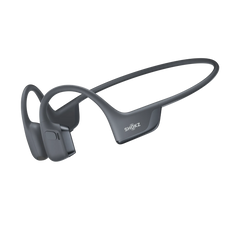
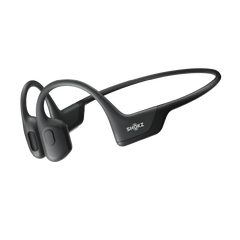
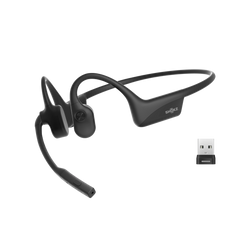
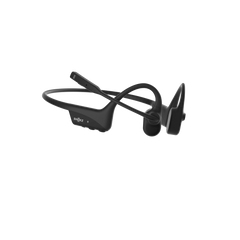
The Shokz OpenRun Pro 2 has a connected wraparound frame designed to stay in place during active movement. It’s a practical choice for faster walks, hills and uneven tracks where separate earbuds might feel less secure.
It offers up to 12 hours of battery life and comes in standard and mini sizes. Physical controls are also easier to use than touch controls when your hands are damp, cold or dusty.
OpenFit 2+ for everyday flexibility
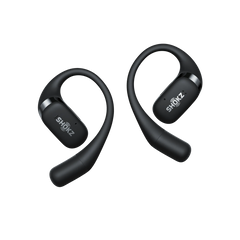
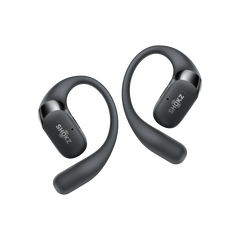
The Shokz OpenFit 2+ uses two separate earbuds with flexible ear hooks. They come with a compact charging case and provide up to 48 hours of total listening time with the case.
This model may suit you if you want one pair of headphones for relaxed walks, commuting, work and travel. The design also feels more like traditional wireless earbuds without blocking the ear canal.


Common Questions About Beginner Hiking in Australia
What should a beginner take when hiking?
Start with water, suitable footwear, sun protection, food, a phone, navigation, basic first aid and weather-appropriate clothing. For longer or remote hikes, additional navigation and emergency equipment may be necessary.
How do I start hiking in Australia?
Choose a short, clearly marked trail with a suitable track grade. Check the weather and park alerts, tell someone where you're going, and start with a route that matches your current fitness and experience.
What are the best hiking essentials for beginners?
The essentials are supportive footwear, water, sun protection, suitable clothing, food, navigation, a phone, basic first aid and a way to deal with changing weather. Your equipment should match the length and remoteness of the hike.
Are Shokz headphones good for hiking?
Shokz open-ear headphones can be a good option for hikers who want to listen to music, podcasts or audiobooks without completely blocking their ears. The OpenRun Pro 2 is particularly suited to active outdoor use, while the OpenFit 2+ offers a true wireless open-ear design with long battery life.