






- Why Do Wireless Earbuds Fall Out?
- How To Stop Earbuds Falling Out
- Which Earbud Design Offers The Most Secure Fit?
- Are Open-Ear Earbuds A Good Option If Your Earbuds Keep Falling Out?
- Other Options To Traditional In-Ear Earbuds
- The Best Fit Is The One That Works For You
- FAQS
You put in your earbuds, press play, and everything feels fine. Five minutes later, one starts slipping. You push it back into place, keep walking, and then it happens again.
If your earbuds keep falling out, the problem may not be you. The fit could be wrong for your ears, the ear tips may be the wrong size, the earbuds may simply not suit the way you move or in-ear earbuds are just not for you.
Sweat, exercise and the overall design can also make a difference.
There are several ways to get a more secure fit. Understanding why wireless earbuds fall out can help you work out whether you need a small adjustment or a completely different design.
Why Do Wireless Earbuds Fall Out?
The size and shape of your ear
The shape and depth of your ear canal, plus the size and curve of your outer ear and concha (the bowl-shaped bit before the canal), all affect how an earbud sits.
A pair that fits your mate might feel loose or awkward on you.
The ear tips aren't the right size.
For traditional in-ear buds, the tip does most of the heavy lifting. Too small, and nothing creates a proper seal, so the bud moves around and eventually works its way loose. Too large, and it gets uncomfortable fast, sometimes even painful after twenty minutes.
The right size should sit snugly without you feeling like something's wedged in there, which is exactly why most earbuds ship with two or three tip sizes in the box rather than one size for everyone.
They're positioned incorrectly.
People often push their earbuds in without checking the angle. Most in-ear designs are meant to be twisted slightly or tilted in a specific way to lock properly into your ear canal. A small rotation can make a surprisingly big difference to how secure they feel.
Movement and exercise
Running, jumping, cycling, and gym workouts all create repeated shocks that in-ear earbuds aren’t designed for. You’ll find your earbuds will keep falling out when running but stay secure at your laptop.
Sweat and moisture
Once moisture builds up around the tip or against the skin, they’ll slip out, especially with buds that rely on friction rather than a proper anchor point.
The earbud's overall design
Some earbuds rely entirely on the ear canal to stay in place. Others add extra support from the outer ear, a hook or a clip. That difference in design philosophy explains why one pair keeps falling out while another barely moves.
How To Stop Earbuds Falling Out
Try different ear tip sizes
Most earbuds come with small, medium and large tips for a reason, so it's worth testing all of them rather than sticking with the ones that come out of the box. Feel the fit once it's in, not just whether it technically fits. A good fit should feel snug without any real pressure.
Check the positioning
Check what the manufacturer recommends. There's often a slight angle or twist involved that isn't obvious at first, so experiment a little and see if tilting them forward or back changes how planted they feel.
Keep earbuds clean
Build-up from sweat, skin oils and general debris can affect how well a tip grips and fits in your ear. Wiping them down after a workout will make a difference.
What you’re doing can have an effect
Ask yourself what you'll mostly be using them for:
- Sitting at a desk all day
- Walking or commuting
- Running most mornings
- Gym sessions and HIIT
- Long flights or long shifts
Don't confuse "tight" with "secure"
Your earbud doesn't need to feel jammed in to stay put. Cramming them in too tight usually backfires, leading to sore ears or even headaches after a couple of hours.
Which Earbud Design Offers The Most Secure Fit?
In-ear earbuds
These create a seal inside the canal, which works for many and offers passive noise blocking as a bonus. The catch is that fit depends heavily on the right tip size and ear-shape match, so what works for one person can be a constant annoyance for others.
Ear-hook designs
A hook that wraps around the outer ear provides a second point of contact, rather than relying solely on what happens inside the canal. That extra anchor explains why ear-hook earbuds are often the choice when you’re exercising.
Clip-on designs
Rather than going into the ear canal, clip-on earbuds attach around part of the outer ear. The choice for anyone who's never loved the sensation of something sitting inside your ear.
Open-ear designs
Open-ear earbuds take a different approach altogether. Instead of wedging a bud inside the canal, they position the speaker near the ear while leaving the canal open.
Are Open-Ear Earbuds A Good Option If Your Earbuds Keep Falling Out?
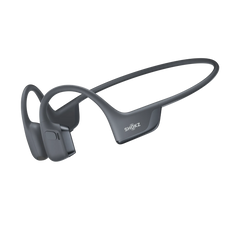
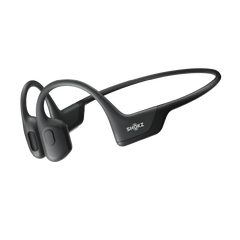
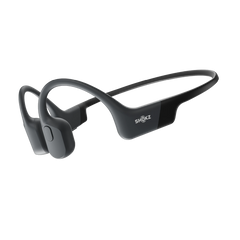
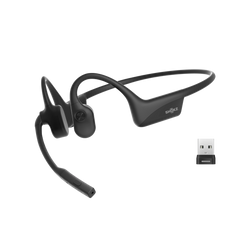
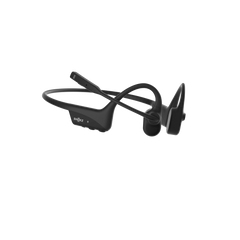
If constant readjusting has become part of your routine, take a look at what open-ear earbuds offer. Because they don't rely on sealing the ear canal, you won't get the wrong tip size or lose your seal halfway through a run.
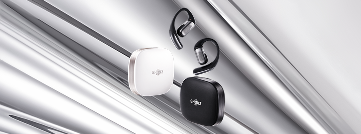
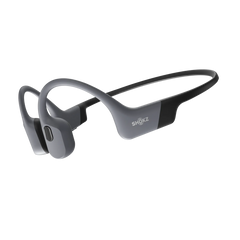
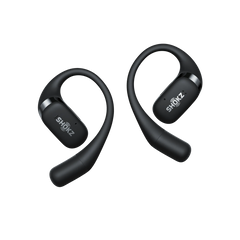
OpenFit Pro uses ergonomic ear hooks made from a nickel-titanium alloy that flex to match your ear's shape, rather than forcing your ear to fit to the earbud.
Paired with ultra-soft silicone and a lightweight build, it's designed to stay in place through a workout without digging in, and it carries an IP55 rating for sweat and light rain.


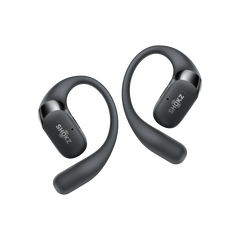
Shokz OpenFit 2+ takes a similar approach, with a redesigned ear hook that moulds to your ear's contours. At under 10 grams per earbud, it's built to disappear on your ear rather than announce itself, which matters if you're wearing them for hours at a stretch.


If in-ear designs have never sat right for you, or you just don't enjoy the sensation of something plugging your ear canal, an open-ear design solves the same problem from a different angle, and it's worth adding to your shortlist alongside Shokz's full range of open-ear and clip-on styles.
Other Options To Traditional In-Ear Earbuds
If you dislike the feeling of earbuds inside your ears, look at clip-on, ear-hook or open-ear designs instead of forcing yourself to get used to something that was never going to feel right.
And if situational awareness matters, whether that's hearing traffic on your commute or keeping tabs on the kids at the park, an open-ear design leaves your ear canal open rather than sealing it off.
The Best Fit Is The One That Works For You
Your daily audio gear should never require constant adjustment or cause frustration.
If you have tried different tips and angles and they still won't stay put, the issue may simply be that the design isn't right for your unique ears or your active lifestyle.
There are several ways to achieve a more secure fit, ranging from changing silicone tips to exploring external hooks, clips or an open-ear design.
Browsing Shokz's range of open-ear models might help you find the comfortable, stable fit you have been searching for.