






- What Makes Earbuds Good for Studying?
- Why Students Are Switching to Open-Ear Audio
- Best Earbuds for Study Compared
- Open-Ear vs Traditional Earbuds for Studying
- How to Choose the Right Earbuds for Your Study Style
- Tips for Studying More Effectively With Earbuds
- Frequently Asked Questions
Studying when a lot is going on around you can be tough, but good headphones can make a real difference. Whether you're at the library or studying online, choosing the right earbuds can help you settle in, focus better, and increase your productivity.
With more people using study playlists, finding earbuds that truly help you concentrate has become a must. It's also super important that recorded lectures and podcasts come through crystal clear.
But choosing the perfect earbuds for studying isn't just about how good they sound. It's also about how comfortable they feel, especially after you've had them in for three hours straight.
What Makes Earbuds Good for Studying?
Not all earbuds are built for the demands of a study session. Here's what actually matters.
A. Comfort for Long Sessions
Ear fatigue is a real problem. Traditional in-ear buds press against the ear canal, and after a few hours, this discomfort can become distracting. Lightweight designs with minimal ear contact — or no ear canal insertion at all — make a noticeable difference during long study sessions.
B. Focus Without Isolation
Different students need different things. Some reach for noise cancellation to block out a busy café or shared household. Others — especially those studying in shared spaces or commuting — need to stay aware of what's happening around them. That's where open-ear technology starts to make a lot of sense.
C. Battery Life
A study session that runs from after lunch to late evening can easily clock six to eight hours. Running out of battery mid-lecture or halfway through a study playlist is disruptive. For earbuds to last a whole day of studying, strong battery performance is not optional — it's vital.
D. Secure Fit
Earbuds aren't worn only while sitting. During the day, you could be moving between classes, boarding public transport, or walking around the library, and you need earbuds that stay put.
An earbud that never feels quite comfortable or keeps falling out adds to the frustration of an already demanding day.
E. Audio Clarity
Recorded lectures must be clear and easy to understand so that everyone can follow along without any difficulty. Study music, whether it’s lo-fi, classical, or ambient white noise, works best with balanced audio that doesn't fatigue the ears.
Why Students Are Switching to Open-Ear Audio
For students who dislike the blocked-ear feeling of traditional earbuds, open-ear designs offer a very different experience — and that distinction is increasingly meaningful. Sealed earbuds can create a pressurised, almost claustrophobic sensation during extended wear, and listening fatigue sets in faster than most people expect.
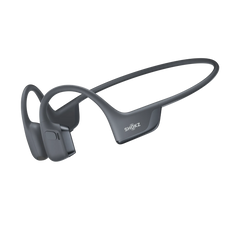
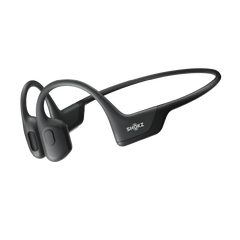
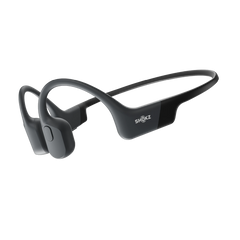
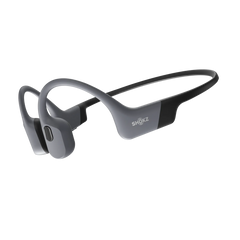
Open-ear technology sidesteps this entirely by sitting outside the ear canal rather than inside it. The result is an earbud that feels closer to wearing nothing at all, while still delivering clear audio.
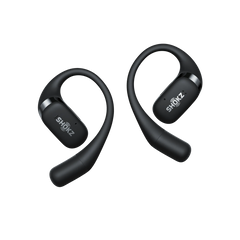
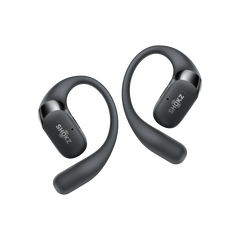
The Shokz OpenDots ONE is a strong example of this process. As clip-on earbuds, they attach to the outer ear without any insertion — comfortable enough for hours of continuous wear, and light enough to forget they're there.


Because they leave the ear canal open, students remain aware of their surroundings: a lecturer's question, a housemate calling out, or the announcement at the next train stop.
That situational awareness makes them particularly useful for commuters, hybrid workers, and anyone doing online study courses who regularly move between settings.
Switching from a Zoom lecture to grabbing a coffee to walking across campus doesn't require removing the earbuds or switching modes.
Best Earbuds for Study Compared
There's no shortage of options in the Australian market, and the right pick really does depend on how and where you study.
Best for Long Study Sessions — Shokz OpenDots ONE
If comfort over extended wear is your priority, the OpenDots ONE stands out. The clip-on design eliminates ear canal pressure, so ear fatigue isn't a factor as it is with traditional buds. For students who regularly sit down for three, four, or five-hour stretches, that's a genuine advantage.
Best for Noise Isolation — Sony WF-1000XM series / Bose QuietComfort Earbuds
Sony's WF-1000XM series and the Bose QuietComfort Earbuds are the benchmark for active noise cancellation. Suppose your study environment is genuinely loud — a busy café, a noisy share house — ANC earbuds do a good job of creating a quieter bubble. The trade-off is isolation from the environment, which isn't always desirable, plus the pressure of an in-ear seal.
Best for Shared Spaces — Shokz OpenDots ONE
Open-ear earbuds earn their place in shared study environments precisely because they don't cut off the wearer from the room. A study group can still communicate, a tutor can still get your attention, and you're not making the socially awkward mistake of being unreachable while sitting right next to someone.
Best Clip-On Earbuds — Shokz OpenDots ONE
The OpenDots ONE is one of the most refined clip-on earbuds currently available in Australia. The clip-on form factor is increasingly popular among students who want a more casual, low-pressure fit than traditional earbuds provide.
Best for Online Study Courses — Apple AirPods Pro / Shokz OpenDots ONE
Microphone quality matters when you're participating in Zoom tutorials or online study courses. Apple AirPods Pro perform well here, with clear call quality and seamless device switching. The OpenDots ONE also holds up for calls, with the added benefit of all-day comfort when lectures and tutorials run back-to-back.
Best for Study Music — Samsung Galaxy Buds / JBL Live Buds series
For students who primarily listen to study music and want a more immersive, bass-forward sound, the Samsung Galaxy Buds and the JBL Live Buds series offer strong audio performance in a traditional in-ear format. Worth considering if audio immersion is the main goal, and comfort over long periods is less of a concern.
Open-Ear vs Traditional Earbuds for Studying
Choosing between open-ear and traditional in-ear earbuds isn't a matter of one being objectively better — it's about matching the earbud to how you actually study. Both formats have genuine strengths, and understanding the trade-offs makes the decision a lot easier.
Open-Ear vs Traditional Earbuds
|
Feature |
Open-Ear Earbuds |
Traditional Earbuds |
|---|---|---|
|
Awareness |
High |
Low |
|
Noise Isolation |
Moderate |
High |
|
Comfort |
Excellent for long wear |
Can cause fatigue |
|
Library Use |
Good at lower volume |
Excellent |
|
Walking/Commuting |
Safer |
Less awareness |
|
Study Music Immersion |
Moderate |
Strong |
Traditional in-ear earbuds create a physical seal that blocks out ambient noise. That makes them well-suited to environments where isolation is the goal — a loud library floor, a busy café — and for students who want to get fully immersed in study music without distraction.
The downside is that this same seal creates pressure, which can lead to fatigue during long sessions. Open-ear designs like the OpenDots ONE take the opposite approach: no seal, no pressure, and full awareness of the surrounding environment.
That trade-off makes them less ideal for pure noise blocking, but considerably more comfortable for extended wear and much safer when moving around in public. For students who split their time between sitting at a desk and being out in the world, open-ear earbuds offer a flexibility that traditional in-ear buds simply can't match.
How to Choose the Right Earbuds for Your Study Style
The best earbuds for study aren't the most expensive ones — they're the ones that fit your actual study life.
University Students juggling long campus days need something portable with an all-day battery. If you're moving between lectures, the library, and common areas, a lightweight, secure fit matters as much as sound quality. Comfort across an eight-hour day should be a top criterion.
Remote Learners doing online study courses via Zoom or Teams need a reliable microphone first and comfort second. Clear call quality and easy device switching are non-negotiables.
Café Studiers face a different challenge — managing background noise without completely disconnecting from the room. A moderate level of noise isolation, or an open-ear design at low volume, tends to work better than cranking ANC to maximum.
Commuters should prioritise situational awareness above almost everything else. Earbuds that leave you unaware of your surroundings on public transport or while walking create real safety issues. Open-ear designs are the sensible choice here.
Neurodivergent Students often find the physical pressure of traditional in-ear buds genuinely uncomfortable or distracting. Low-pressure, lightweight designs — particularly clip-on earbuds with no ear canal insertion — are worth exploring for sensory comfort.
Tips for Studying More Effectively With Earbuds
Getting the most out of your study audio takes a bit more than just hitting play. A few practical habits make a real difference.
- Use instrumental study music: Music with vocals can be distracting while reading and writing. Lo-fi hip-hop, classical, and ambient instrumental tracks are consistently popular for a reason.
- Keep the volume at a reasonable level: Listening at 60–70% volume or higher for extended periods contributes to listening fatigue. Ear-friendly volume levels are important during long sessions.
- Try the Pomodoro method: Work for 25 minutes, take a 5-minute break. Use the breaks to take out your earbuds and give your ears a rest, especially if you're using traditional in-ear buds.
- Use ambient sounds strategically: Coffee shop background noise, rain, or brown noise can improve focus for many students without the distraction of music.
- Reduce notification interruptions: Switching your phone to Do Not Disturb while studying will keep the audio clear and your attention focused.
- Match audio to the task: Passive study music works well for reading and note-taking; silence or very light audio is often better when writing essays or doing problems that require full attention.
There's no single answer to what makes the best earbuds for study. It comes down to where you learn, how long you sit, and what your ears can actually handle over time. Comfort, battery life, and situational awareness matter just as much as sound quality for most students. If you’re finding that traditional in-ear buds leave you fatigued or overly isolated, the shift to open-ear audio and clip-on earbuds like the
Shokz OpenDots ONE in particular is worth taking seriously.
Frequently Asked Questions
Are noise-cancelling earbuds better for studying?
It really depends on the environment. Active noise cancellation can be especially helpful in very loud places, like a bustling café or a lively household, where blocking out all the background noise can make it easier to focus and feel more comfortable.
Are open-ear earbuds good for university students?
Yes, particularly for students who move around a lot during the day. Open-ear earbuds like the Shokz OpenDots ONE are lightweight and comfortable for extended wear, while keeping you aware of your surroundings.
What are the best clip-on earbuds for studying?
The Shokz OpenDots ONE is one of the top clip-on earbuds available in Australia for studying. The clip-on design sits on your outer ear without inserting into the ear canal, stopping pressure and making them more comfortable during long sessions.
Can studying music improve concentration?
Research shows that listening to certain kinds of music, especially instrumental tracks without lyrics, can really help you stay focused during challenging tasks. It's a simple way to create an environment for concentration. Lo-fi, classical, and ambient are popular choices.
Are earbuds or headphones better for online study courses?
Both can work well, but earbuds are much easier to carry and to wear for long periods. For online study courses with video sessions, such as Teams calls, microphone clarity is the main factor.