






- Understanding Tinnitus and Why Earbud Choice Matters
- What Makes Earbuds Better for Tinnitus Sufferers?
- Clip-On vs. In-Ear for Tinnitus: Which Is Better?
- Can Earbuds Help With Tinnitus Relief?
- Tips for Listening Safely With Tinnitus
- How to Choose the Right Earbuds for Your Needs
- FAQs
That constant ringing, buzzing or humming in your ears can be incredibly frustrating. Some days it fades into the background. Other days, it's all you seem to notice.
If you live with tinnitus and regularly use earbuds for music, podcasts, audiobooks or phone calls, you've probably wondered whether your listening habits are helping or making things worse.
It's a fair question. Earbuds have become part of everyday life for many Australians. They're used during morning walks, gym sessions, commutes and while working from home.
But not all earbuds are designed the same, and some can place more strain on your ears than others.
The encouraging news is that choosing the right earbuds, combined with safe listening habits, could help create a more comfortable listening experience.
If you're looking for practical tinnitus relief or researching the best earbuds for tinnitus sufferers, understanding how different earbud styles affect your ears is a good place to start.

Understanding Tinnitus and Why Earbud Choice Matters
Tinnitus is not actually a disease on its own, but rather a warning sign from your auditory system. It is essentially your brain generating an internal sound when there is no external noise present.
Most Australians describe it as a high-pitched ringing that simply will not go away. For others, it presents as a low buzz, a steady hiss, or a pulsing click that matches your pulse.
Prolonged exposure to loud noise is the biggest trigger for this frustrating condition. It can also be caused by standard age-related hearing changes, stress, or even minor ear infections.
The specific type of headphones you choose has a massive impact on how loud that ringing feels. Standard earbud designs can accidentally create the perfect environment for your symptoms to flare up.
Have you ever taken your earbuds out after a long listening session and noticed your ringing seemed louder?
Traditional earbuds can also create a sealed environment inside the ear canal. For some listeners, that isn't a problem. For others, it can feel uncomfortable during extended use.
When you block the ear canal, you block out the world's natural background noise. This forces your brain to focus entirely on your internal head noises, making the buzzing sound incredibly loud.
To make matters worse, most people turn up the volume to drown out trains, traffic, or office chatter.
This constant high volume can cause long-term damage to an already sensitive ear.
What Makes Earbuds Better for Tinnitus Sufferers?
Before you spend a cent on your next pair, it's worth knowing what actually helps. These five things make the biggest difference.
- Low-volume clarity: The ability to hear crisp speech and balanced music without needing to max out the volume.
- Open-ear audio delivery: A design that leaves the physical ear canal completely open to the outside world.
- Zero ear canal pressure: Headphones that do not require you to jam a plastic or silicone tip into your ear.
- All-day wearing comfort: Lightweight materials that do not cause physical soreness or trap heat inside your ear.
- Natural situational awareness: The freedom to hear cars, colleagues, and ambient room noise while your audio plays.
Following this simple checklist will help you protect your ears from unnecessary acoustic fatigue. Designs that avoid blocking the ear canal are proving to make a difference for people with sensitive hearing.
Clip-On vs. In-Ear for Tinnitus: Which Is Better?
The debate between clip-on and in-ear devices for tinnitus largely comes down to comfort, listening habits, and personal preference.
|
Feature |
Clip-On Earbuds |
Traditional In-Ear Earbuds |
|---|---|---|
|
Ear Canal Pressure |
Low and gentle |
High and constant |
|
Situational Awareness |
Excellent and natural |
Limited or artificial |
|
Listening Volume Needed |
Often Lower in quiet zones |
Often Higher to beat the world |
|
Comfort |
High all-day wear |
Varies based on ear shape |
|
Tinnitus-Friendly Potential |
High |
Moderate |
Clip-on earbuds sit outside the ear canal rather than inside it.
This open-ear approach often feels less intrusive and can reduce listening fatigue during longer sessions.
Users also find they naturally listen at lower volumes because they're not trying to create complete isolation from their environment.
Traditional in-ear earbuds still have advantages. They provide stronger noise isolation and may work better in very noisy environments such as aeroplanes or busy public transport.
However, the sealed design can encourage higher listening volumes and may feel less comfortable for some tinnitus sufferers during extended use.
Best Overall Earbuds for Tinnitus Sufferers:
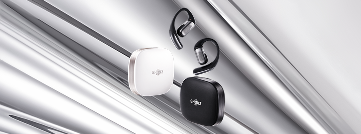
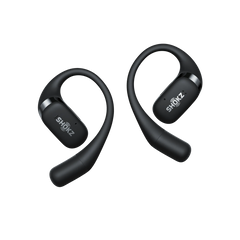
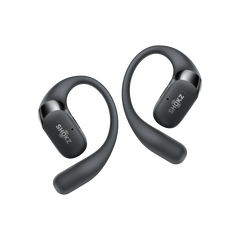
Shokz OpenDots ONE
If you're living with tinnitus, comfort matters just as much as sound quality.
That's one of the main reasons Shokz created the OpenDots ONE, which stands out among the earbuds currently on the market. Rather than sitting inside your ear canal like traditional earbuds, OpenDots ONE uses a lightweight clip-on design that rests comfortably on your ears while keeping the ear canal open.
It might sound like a small difference, but it can completely change your listening experience.
Many people with tinnitus find that traditional earbuds can create a sealed-off feeling, especially during longer listening sessions.
OpenDots ONE avoids that sensation altogether. Because your ears remain open, you're still aware of the world around you, whether that's traffic during a morning walk, announcements on public transport or a quick conversation with a colleague.
The comfort factor is also hard to ignore. The clip-on design feels surprisingly light, making it easy to wear for hours without the pressure some people experience from in-ear earbuds.
OpenDots ONE is particularly well suited to:
- Walking and hiking
- Running and fitness training
- Cycling
- Commuting
- Office work
- Podcasts and audiobooks
- Everyday casual listening
Of course, no earbud can cure tinnitus. That's important to understand. But if you're looking for hearing safe earbuds that encourage a more natural listening experience, OpenDots ONE offers several advantages.


Apple AirPods Pro
Apple's AirPods Pro remain a popular option thanks to their strong feature set and excellent Transparency Mode. The ability to switch between noise cancellation and environmental awareness gives users flexibility in different situations.
They're comfortable and easy to use, but they remain a traditional in-ear design. Extended listening at high volumes can still present risks if good listening habits aren't followed.
Bose QuietComfort Ultra Earbuds
Bose continues to impress with premium sound quality and excellent comfort. The QuietComfort Ultra Earbuds deliver high-level noise-management features and a quality listening experience. However, they still rely on an in-ear design that seals the ear canal, which may not suit everyone with tinnitus.
Sony WF-1000XM Series
Sony's flagship earbuds consistently rank among the best for audio quality. Features such as adaptive sound control, customisable settings and detailed app controls make them highly versatile.
Jabra Elite Series
Jabra's Elite range is well known for secure fit, clear call quality and practical HearThrough functionality. They're especially popular among active users. The main limitation for tinnitus sufferers is that they're still designed to sit inside the ear canal, which may not provide the same comfort advantages as open-ear alternatives.

Can Earbuds Help With Tinnitus Relief?
Let's be straight: earbuds won't cure tinnitus, but they can make day-to-day life with it easier. Heaps of people use them to play soothing background audio that masks the ringing.
Gentle white noise, soft music, a calming soundscape- all of it can take the edge off, especially when everything's quiet, and the tinnitus feels at its loudest.
They're handy for winding down too, which matters because stress tends to crank tinnitus right up. A bit of calm audio after a hectic day can be properly settling.
What they can't do is fix the root cause. They're a comfort tool, not a cure.
If your tinnitus is new, worsening, or really getting on your nerves, book an appointment with a GP or audiologist.
No earbud is a substitute for proper medical advice.
Tips for Listening Safely With Tinnitus
You can keep your ears safe and comfortable with a few practical tips.
- Stick to the 60/60 rule: Keep your volume below 60% and limit your listening time to 60 minutes before taking a break.
- Give your ears a regular rest: Take your earbuds off for at least ten minutes every hour to let your auditory nerve recover.
- Choose open-ear designs when possible: Select headphones that keep the ear canal open to avoid boosting internal head noise.
- Listen in quiet places: Try to avoid using earbuds to compete with loud background noise, as this tends to make you turn the volume up too high.
- Pay attention to your symptoms: If the ringing feels louder after using your headphones, treat it as a clear sign to lower the volume.
How to Choose the Right Earbuds for Your Needs
Every single listener has a completely different daily routine, so the right pair of earbuds depends heavily on your lifestyle.
- Best for exercise: Shokz OpenDots ONE keeps you completely stable and aware of approaching cars or passing runners.
- Best for commuting: Apple AirPods Pro offer great flexibility with active noise control for loud train rides or busy city streets.
- Best for office work: Shokz OpenDots ONE allows you to take calls and listen to music all day without missing colleagues speaking to you.
- Best for deep music listening: Bose or Sony provides the deep, sealed isolation needed to hear every tiny detail in a complex track.
- Best for situational awareness: Shokz OpenDots ONE keeps your ear canal fully open to the natural sounds of the environment.
There is no single perfect solution for every tinnitus sufferer. What works best for one person might not work for another.
Choosing earbuds that eliminate ear canal pressure and maintain environmental awareness will deliver a much more comfortable daily experience.
While traditional in-ear earbuds from Apple, Bose, Sony and Jabra offer impressive performance, many people with tinnitus appreciate designs that reduce ear canal pressure and encourage lower-volume listening.
This is where open-ear designs like the Shokz OpenDots ONE offer an effective alternative to traditional earbuds. They maintain the natural shape of your ears while letting you enjoy your favourite audio all day.
FAQs
Can earbuds give relief from tinnitus?
Earbuds cannot cure tinnitus, but they can help mask symptoms with soothing sounds, music, white noise or relaxation audio, all played at safe listening levels.
What are the best earbuds for tinnitus sufferers in Australia?
The best choice depends on your needs, but open-ear options such as the Shokz OpenDots ONE are particularly appealing for people prioritising comfort, situational awareness and hearing-conscious listening.
Are open-ear earbuds better for tinnitus sufferers?
Open-ear earbuds may be more comfortable for some people with tinnitus because they reduce ear canal pressure and increase awareness of surrounding sounds