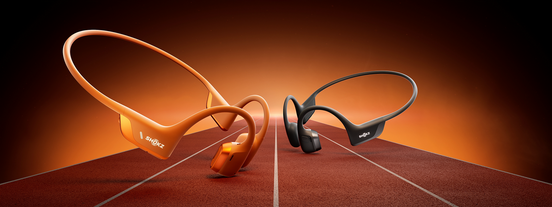
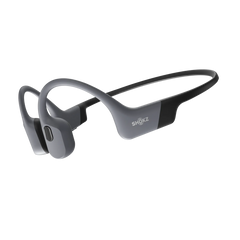


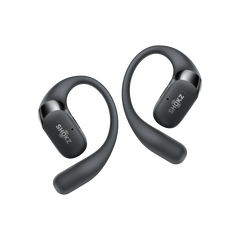
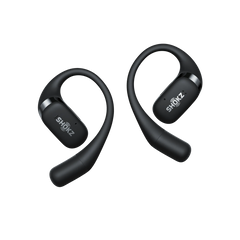




The headphone market has come a long way from tangled wired earbuds to today's sleek wireless options. But one style has been turning heads (quite literally) among runners, cyclists and commuters across the country: bone conduction headphones.
If you're considering making the switch, you've probably asked yourself the same question most first-timers do: are bone conduction headphones safe? Is there a risk of hearing damage, or some other hidden downside? The short answer is yes, they're safe — in fact, when used sensibly, bone conduction technology comes with some genuine health perks over traditional earbuds. Let's break down how the tech actually works and clear up the most common myths, backed by science.
- How Do Bone Conduction Headphones Actually Work?
- Bone Conduction vs Traditional Headphones: What's the Difference?
- Are Bone Conduction Headphones Safe?
- Common Myths About Bone Conduction Headphone Safety
- The Bottom Line
- Frequently Asked Questions About Bone Conduction Headphone Safety
1. How Do Bone Conduction Headphones Actually Work?
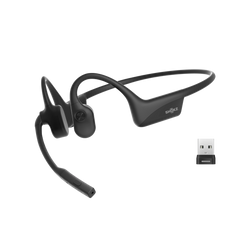
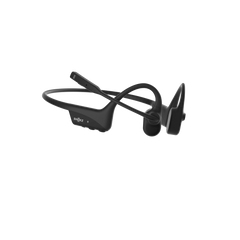
As the name suggests, bone conduction headphones skip the eardrum altogether. Rather than pushing sound waves through the air like a traditional earbud, tiny transducers built into the headphones convert audio signals into subtle vibrations.

These headphones sit just in front of your ears, resting on your cheekbones, and send those vibrations straight through your skull to the cochlea in your inner ear. The cochlea then converts these vibrations into electrical signals, which travel via the auditory nerve to your brain — and that's what you perceive as sound.
2. Bone Conduction vs Traditional Headphones: What's the Difference?
Traditional headphones have long been the go-to for blocking out the world and getting lost in your favourite playlist. Bone conduction headphones take a different approach entirely — leaving your ears open so you can stay aware of your surroundings while still enjoying a comfortable, all-day fit. Here's how the two stack up.
2.1 Traditional Headphones
Traditional in-ear or over-ear headphones are great at sealing out external noise, which can make for an immersive listening session. The trade-off? That seal creates constant pressure in the ear canal, and sound waves travel directly onto the eardrum, which can lead to ear fatigue over longer listening sessions. Regular breaks are essential if you want to avoid discomfort or long-term damage to your hearing.
2.2 Bone Conduction Headphones
Bone conduction headphones, on the other hand, prioritise situational awareness and comfort. Because sound travels through your cheekbones rather than your ear canal, your ears stay completely open to ambient noise — a genuine safety advantage whether you're jogging along the beach path or cycling to work through peak-hour traffic.
They also don't sit in or over the ear, so there's far less strain on your ears during use. For anyone who finds traditional headphones uncomfortable or irritating after a while, they're a welcome alternative.

3. So, Are Bone Conduction Headphones Safe?
It's completely normal to feel a bit sceptical when you first come across bone conduction technology. Plenty of people wonder just how safe it really is, and whether there's any risk of ear damage. The good news is that bone conduction headphones come with several safety advantages that traditional headphones simply can't match.
You stay aware of your surroundings. Because the headphones sit on your cheekbones rather than in or over your ears, you can hear everything happening around you — traffic, other pedestrians, a mate calling out to you on the trail. This is a big deal whether you're running, walking, or just going about your day. It's part of why bone conduction tech is favoured by military and police units: it lets team members communicate directly with each other while staying fully tuned in to what's going on around them.
Fewer ear health issues. Anyone who's worn in-ear headphones regularly knows the struggle of wax build-up, which can affect your hearing and sometimes require a trip to the GP to sort out. Trapped bacteria can also increase the risk of ear infections. Since bone conduction headphones don't go in your ear canal at all, your ears stay open and naturally ventilated, sidestepping these issues altogether.
Less pressure on your eardrums. Because sound bypasses the ear canal and eardrum entirely, there's no direct sound pressure being applied. This means less fatigue and discomfort, even after long listening sessions.

4. Common Myths About Bone Conduction Headphone Safety
It's fair enough to wonder, "Will vibrating my skull cause hearing loss?" or "Could this affect my brain?" when you first hear how the technology works. The truth is, these concerns mostly come down to misunderstandings about how bone conduction actually functions. Used at a sensible volume, there's no real reason to worry. That said — just like with any headphones — cranking the volume too high or using them for extended periods without a break isn't great for your ears. Let's tackle the four biggest myths with the science to back it up.
Myth 1: Bone Conduction Headphones Cause Hearing Loss
This is probably the most common concern people raise: does vibrating the bone lead to hearing damage?
Here's the reality — with any type of headphone, whether it's bone conduction, in-ear, or over-ear, listening at excessively high volumes for long stretches puts strain on your inner ear and raises your risk of hearing loss over time. Bone conduction isn't a magic shield that makes any volume level "safe" — but it does make it much easier to avoid turning the volume up too high in the first place.
Debunking the myth
Research published via the National Library of Medicine found that roughly 1.7% of the population experiences noise-induced hearing loss, and people who use headphones in noisy environments face around a 4.5 times higher risk of hearing damage compared to those listening in quieter settings. This data actually highlights one of the clearest benefits of bone conduction design.
Traditional earbuds seal off your ear canal, which means in a noisy environment (like a busy train platform or a windy coastal path), you're more likely to unconsciously crank up the volume just to hear over the background noise — and that's what does the real damage.
Bone conduction headphones use an open-ear design, so there's no muffled, closed-in sound to fight against. You can hear ambient noise clearly and naturally, which means you don't need to push the volume up nearly as high. That makes it much easier to maintain healthier listening habits over the long run, even out on a noisy weekend trail run or during a windy commute.
Myth 2: Bone Conduction Headphones Are Uncomfortable
Another common misconception is that, like traditional headphones, bone conduction models get uncomfortable after long wear. In reality, they're built completely differently — lightweight, open, and designed to rest gently on your cheekbones rather than clamping onto or inside your ears.
Debunking the myth
Traditional headphones can sometimes cause discomfort similar to an external compression headache, especially from tight-fitting ear seals or headbands during longer wear. It's a common complaint, particularly for all-day use.
Bone conduction headphones offer a genuinely different experience. Because they don't sit inside or clamp over the ear, there's none of that classic pressure or squeezing sensation. For anyone who finds standard headphones a bit much after an hour on the Bondi to Coogee coastal walk, or during a long haul at the office, bone conduction is a much comfier alternative.
Myth 3: Bone Conduction Headphones Can Damage Your Brain
Because the vibrations travel through bone near your ear, some people worry there could be a knock-on effect for the brain. In reality, the vibrations produced are extremely subtle — far gentler than plenty of everyday vibrations your body deals with regularly, like riding in a car or walking on uneven pavement.
Debunking the myth
Research from Mingduo Zhao, Anders Fridberger and Stefan Stenfelt found that while bone conduction does transmit vibrations at varying frequencies to enable hearing, the intensity involved is nowhere near strong enough to cause any harm to the brain.
The vibrations from bone conduction headphones are minimal, and they don't emit any kind of harmful radiation, unlike concerns sometimes raised about mobile phone signals. As long as you're listening at a sensible volume, there's no real reason to worry about risks to your brain or body — you can use them with confidence as part of your everyday routine.
Myth 4: Bone Conduction Sound Quality Is Worse Than Regular Headphones
It's worth noting upfront that bone conduction headphones do sound a little different to traditional headphones. With standard earbuds, positioning generally doesn't matter much and you get a familiar sound straight away.
Debunking the myth
Research from the U.S. Army Research Laboratory found that listening via bone conduction is simply a different listening experience compared to traditional air conduction — not an inferior one. It just takes a little adjustment to get used to the more natural way the sound reaches your ears.
Thanks to adjustable sound equalisers, modern bone conduction headphones can deliver rich bass, clarity and an immersive feel that rivals traditional headphones — making them just as suited to casual listening as they are to phone calls on the go.
5. The Bottom Line
Bone conduction headphones let you enjoy your music or podcast while staying fully switched on to what's happening around you — a genuine win for safety and comfort alike. Most concerns around whether bone conduction headphones cause hearing damage or hearing loss actually come down to listening habits, not the technology itself. Used sensibly and at a reasonable volume, they're a reliable choice for everyday listening — especially if you're active outdoors, commuting, or simply want a more comfortable alternative to traditional earbuds.
6. Frequently Asked Questions About Bone Conduction Headphone Safety
Do bone conduction headphones cause hearing loss?
Just like traditional headphones, listening at excessive volumes for long periods can contribute to hearing loss. However, the bone conduction technology itself isn't harmful to your ears. In fact, because it doesn't seal off your ear canal, it's easier to maintain a sensible volume, which reduces overall strain on your hearing.
Are bone conduction headphones safer than regular headphones?
In most cases, yes. The open-ear design reduces pressure on the ear canal and keeps you aware of your surroundings, making them a safer option for everyday use and outdoor activities.
Do bone conduction headphones have any side effects?
When used correctly, side effects are minimal to none. Concerns about headaches or brain damage are largely based on misunderstanding rather than scientific evidence. If you're after a reliable, comfortable and safe option, it's well worth checking out Shokz's open-ear bone conduction range.