






-
What Are Noise Reduction Headphones
-
What Are Noise-Cancelling Headphones
-
How Noise Reduction Technology Works
-
How Active Noise Cancelling (ANC) Works
-
What Type of Headphones Are Better for You
-
Are Open-Ear Headphones a Better Alternative?
-
A Good Example: OpenFit Pro
-
Frequently Asked Questions
-
Final Thoughts
Although the terms are often used interchangeably, noise reduction (sometimes referred to as sound eliminating headphones) and noise cancelling are not the same thing. Noise reduction headphones are designed to minimise unwanted sound through a range of methods, including physical design features and other noise-control approaches. While they can help reduce everyday distractions, noise-cancelling headphones generally deliver a stronger noise-reduction effect by using advanced technology to actively reduce external noise. Understanding this difference is key to choosing the right pair for your needs. If you are comparing options, using a headphone comparison tool can help narrow down the right choice for your needs.
In practice, this difference becomes important depending on where you plan to use your headphones. For example, someone working in a quiet office may only need basic noise reduction, while frequent travellers or commuters may benefit more from active noise cancellation.
What Are Noise Reduction Headphones
Noise-reduction headphones are designed to minimise external noise using passive methods. They do not use electronics to cancel noise; instead, they rely on materials and design to physically block it out. This typically includes padded ear cups, in-ear seals, or snug-fitting designs that prevent outside noise from reaching your ears.
Because they rely on physical design alone, their performance depends heavily on fit. A well-sealed pair can significantly reduce distractions, while a poor fit can considerably reduce its effectiveness.
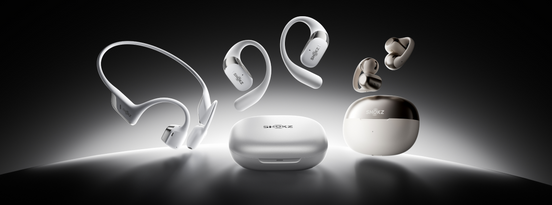
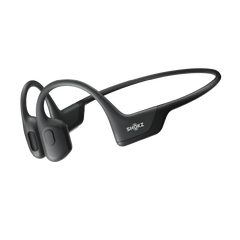
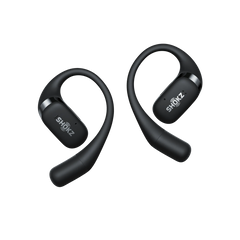
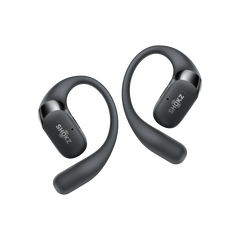
While traditional noise reduction is often based on physical blocking or sealing, newer designs take a different approach. Open-ear headphones, such as OpenFit Pro, use what Shokz describes as open-ear active noise reduction. Instead of relying on passive isolation, this technology uses a triple-microphone system and an ear-adaptive algorithm to analyse surrounding and in-ear noise in real time. This allows the headphones to reduce unwanted noise while maintaining environmental awareness, offering a balance between focus and situational awareness.

What Are Noise-Cancelling Headphones
Noise-cancelling headphones, often referred to as ANC (Active Noise Cancellation) headphones, use built-in microphones and digital signal processing to reduce external noise in real time. Instead of just blocking sound, they actively counter it by generating opposing sound waves.
This makes them particularly effective in environments with constant background noise, where passive isolation alone may not be enough to create a quiet listening experience.
How Noise Reduction Technology Works
Passive Noise Isolation Explained
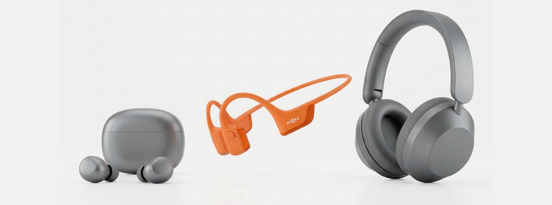
Passive noise isolation works by creating a physical barrier between your ears and the surrounding environment. The better the seal, the more sound is blocked. For example, over-ear headphones with thick padding can significantly reduce background noise simply by completely covering your ears. In-ear designs can also achieve strong isolation by forming a tight seal within the ear canal, which helps block out external sound at the point of entry.
Design and Materials That Block Sound
Materials play a big role in noise reduction. Foam, silicone, and padded cushions are commonly used to absorb and block sound waves. The effectiveness depends on how well the headphones fit. Even small gaps can allow noise to leak in, reducing their performance. Higher-quality materials can improve both comfort and sound isolation, especially during long listening sessions where pressure and fit become more noticeable.
Open-Ear Noise Reduction Explained
Open-ear noise reduction works differently from traditional passive isolation. Instead of relying on a tight seal or physically blocking the ear canal, it combines open-ear design with advanced noise-control technology to help reduce distractions while keeping the ears open to the surrounding environment. This allows listeners to enjoy clearer, more powerful sound even in noisy settings without losing awareness of important sounds around them. As a result, open-ear noise reduction is especially useful for users who want a balance between focus, comfort, and situational awareness rather than complete sound isolation.
How Active Noise Cancelling (ANC) Works
Microphones and Sound Waves
ANC headphones use microphones to detect external noise. Once detected, the headphones generate sound waves that are the exact opposite (or anti-noise) of the incoming sound. This process relies on precise timing and signal processing, allowing the headphones to respond quickly to changes in the surrounding environment.
Real-Time Noise Cancellation
These opposing sound waves cancel each other out before they reach your ears. This process occurs continuously and almost instantaneously, making it particularly effective for consistent background noise, such as aeroplane engines or air conditioning. However, ANC is generally less effective for sudden or irregular sounds, such as voices or sharp noises, whose audibility depends on the environment.
What Type of Headphones Are Better for You
For Travel
Noise-cancelling headphones are often the better choice for travel, especially on planes or trains where constant background noise is present. They can significantly reduce fatigue during long journeys by minimising continuous low-frequency sounds.
For Work and Focus
If you need to concentrate in a busy environment, both options can help. However, ANC headphones typically provide a quieter experience overall. This makes them particularly useful in shared workspaces or environments with constant background distractions.
For Exercise and Outdoor Use
For workouts and outdoor activities, completely blocking out sound may not always be ideal. In these situations, being aware of your surroundings is important for safety. For example, runners and cyclists often need to hear traffic, signals, or other environmental cues while training.
Are Open-Ear Headphones a Better Alternative?
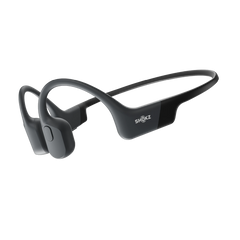
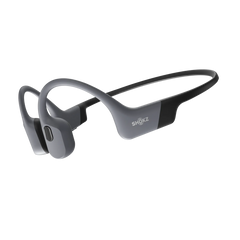
In some cases, the goal is not to eliminate noise entirely but to balance audio with environmental awareness. Open-ear headphones offer a different approach by allowing you to hear your surroundings while still listening to audio. This can be especially useful for running, cycling, or training outdoors. Rather than isolating you from your environment, they provide a more natural listening experience that prioritises safety and awareness.
A Good Example: OpenFit Pro
Open-Ear Listening vs Noise Isolation
The OpenFit Pro uses an open-ear design that sits comfortably outside the ear canal, rather than blocking it. This allows you to enjoy audio without completely isolating yourself from your environment. This approach differs from both noise reduction and noise cancelling by focusing on balance rather than complete sound isolation.


Situational Awareness Benefits
This design is particularly useful for outdoor workouts, commuting, or any situation where awareness matters. Instead of shutting out the world, it lets you stay connected to it while still enjoying your music or podcasts. For many users, this balance between audio and awareness can be more practical than full noise isolation, depending on their daily activities.
Frequently Asked Questions
Do noise reduction headphones completely block sound?
No. They reduce external noise but do not eliminate it entirely.
Are noise-cancelling headphones better than noise-reducing headphones?
It depends on the use case. Noise cancelling is better for consistent background noise, while noise reduction is simpler and does not require power.
Can you use noise-cancelling headphones for exercise?
Yes, but they may not be ideal for outdoor activities where awareness is important.
Are open-ear headphones safer for outdoor use?
Yes. They allow you to hear your surroundings, which can improve safety during activities like running or cycling.

Final Thoughts
Noise reduction headphones do work, but their effectiveness depends on how and where you use them. They provide a simple, reliable way to minimise background noise without relying on battery-powered technology. However, if you need greater noise control, noise-cancelling headphones offer a more advanced solution. And for situations where awareness matters just as much as audio, open-ear designs provide a practical alternative.
Ultimately, the best choice depends on your environment, your priorities, and how you plan to use your headphones. By understanding how each type works, you can make a more informed decision and choose headphones that match your specific needs and lifestyle.