






- What Are Open-Ear Headphones?
- How Bone Conduction Works
- What Is Air Conduction Technology?
- Bone Conduction vs Air Conduction Earbuds: Key Differences
- Open-Ear Headphones vs Traditional Earbuds
- Which Technology Is Better for Different Activities?
- How Shokz Compares to Other Open-Ear Brands
- Tips for Choosing the Right Open-Ear Headphones
- Which Shokz Model Is Right for You?
- FAQs
You’re jogging along the Yarra at sunrise, weaving past dog walkers and cyclists as your favourite playlist keeps you in rhythm. You want music, but you also want to hear the bike bell behind you.
That's the exact moment people start rethinking about their earbuds.
Sealing your ears off from the world isn't always the smart move, and that's where open-ear headphones come in. They let sound in and music through at the same time.
In Australia, where so much of life happens outdoors, two technologies are leading the charge: bone conduction and air conduction. Knowing the difference helps you make a good choice.
What Are Open-Ear Headphones?
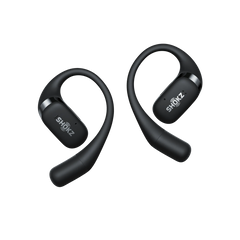
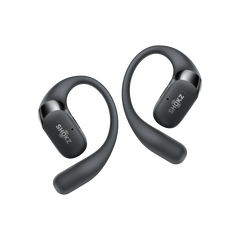
Open-ear headphones do exactly what the name suggests: they leave your ear canal open. Instead of plugging into your ears like traditional earbuds, they sit just outside or rest against your head, so the world around you stays within earshot.
That's the big difference from regular earbuds, which seal the canal to push sound in and block noise out. It's also a world away from bulky over-ear headphones that cover the whole ear and shut everything else out.
Leaving your ears completely open brings a massive list of benefits to your daily routine, especially if you live an active lifestyle.
- Total situational awareness: You can easily hear approaching traffic, sirens, and other pedestrians while you exercise.
- Zero ear soreness: No more raw, itchy, or aching ear canals from tight plastic tips.
- Less acoustic fatigue: Your ears do not get that stuffy, high-pressure feeling after a couple of hours of listening.
- Better hygiene: Letting your ears breathe stops sweat and bacteria from getting trapped inside.
- All-day wearability: You can comfortably leave them on through a long shift at work without a second thought.
Most modern open-ear designs use one of two approaches: bone conduction or air conduction. Both keep your ears free. They just get the sound to you in very different ways. Let's break them down.

How Bone Conduction Works
Sound normally reaches you through the air. Sound waves travel down your ear canal and vibrate your eardrum, which your brain then reads as music or voices. Simple enough.
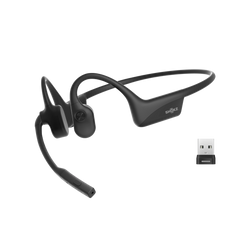
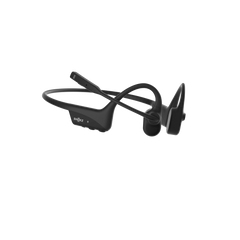
Bone conduction skips part of that journey. Instead of sending sound through your ear canal, tiny transducers sit against your cheekbones and create gentle vibrations. Those vibrations travel through the bone straight to your inner ear. Your eardrum barely gets involved, and your ear canal stays completely open.
The result feels a little like magic the first time. You hear your audio clearly, yet your ears are free to pick up everything happening around you.
Benefits of Bone Conduction Technology
- Excellent awareness of surroundings
- Comfortable during long sessions
- Ideal for outdoor sports
- Works alongside hearing protection in some workplaces
- Keeps ear canals completely unobstructed
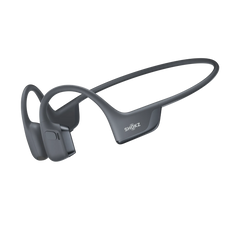
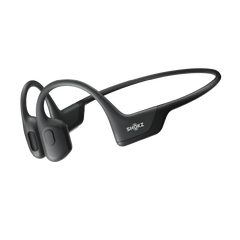
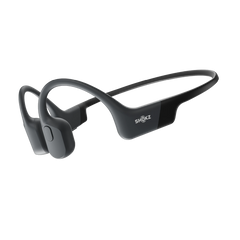
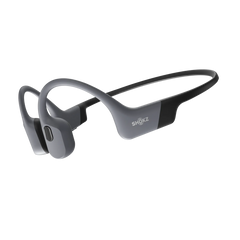
The is designed especially for active lifestyles. It uses a secure wraparound frame that won't budge during a sprint, plus improved bass for richer, fuller sound than older bone conduction models.
With a long battery life and a stable fit, it's a natural fit for runners and cyclists who want music without losing touch with the road.
Explore the full Shokz bone conduction headphones range to see how it stacks up.
What Is Air Conduction Technology?
Traditional earbuds use air conduction.
The process is straightforward:
Speaker → Ear Canal → Eardrum
Sound waves travel through the air and into your ears.
However, modern open-ear air conduction headphones work differently from conventional earbuds. Instead of sitting deep inside your ear canal, they position speakers near your ears and direct sound toward them while keeping the ears open.
The result is an open, comfortable listening experience that often delivers richer audio performance than bone conduction technology.
Featured Products
OpenFit 2+
The OpenFit 2+ is designed for everyday versatility. It delivers open-ear comfort while providing impressive sound quality for commuting, walking, work, and casual listening.


OpenFit Pro
The OpenFit Prois ideal if for you’re looking for premium audio performance without compromising awareness. It provides rich, powerful sound and fits securely, perfect for your active lifestyle!
OpenDots ONE
The OpenDots ONE introduces a compact, clip-on design for discreet, lightweight, all-day open-ear listening.
These models demonstrate how open-ear earbuds can provide a balance between awareness and audio quality.
OpenSwim Pro
The is purpose-built for pool and open water, with full waterproofing and up to 4GB of built-in storage for offline music, since Bluetooth doesn't work underwater. It has an IP68 waterproof rating. Nothing else in the open-ear category does this as well.
Bone Conduction vs Air Conduction Earbuds: Key Differences
Even though both styles leave your ears completely unblocked, picking between bone conduction and air conduction comes down to what matters most to you: absolute awareness or maximum musical richness.
|
Feature |
Bone Conduction |
Air Conduction (Open-Ear) |
|---|---|---|
|
Ear Canal State |
Completely open and clear |
Clear or loosely hovering outside |
|
Situational Awareness |
Maximum safety (zero blockage) |
Very high safety (slight acoustic overlap) |
|
Bass & Audio Richness |
Clear mids and highs, leaner bass |
Richer, deeper bass and a wider soundstage |
|
Physical Form Factor |
Wraparound titanium neckband |
Separate true wireless hooks or clips |
|
Stability During Exercise |
Locked-in, completely bounce-proof |
Highly stable hooks or light clip-on feel |
|
Office & Call Comfort |
Great for quick calls, mild hug feel |
Excellent all-day wear with clear mics |
|
Water & Swim Performance |
Fully waterproof models are available |
Water-resistant (sweat and rain only) |
Situational Awareness
Bone conduction wins hands down here. Since your ear canal is entirely clear, your natural hearing is completely untouched. Open-ear air conduction is still great, but if you crank a bass-heavy track, the speaker hovering over your ear can occasionally mask very quiet background noises.
Sound Quality
Air conduction takes the prize for music lovers. Because they use a traditional moving-coil speaker driver, earbuds like the OpenFit Pro can reproduce a wider range of frequencies. This gives you a warmer bass response and a highly realistic, open soundstage.
Comfort and Stability
This really depends on how you like your gear to feel. Bone conduction uses a secure titanium band that wraps around the back of your head, so it cannot fall off even if you are sprinting down a rugged trail.
Open-Ear Headphones vs Traditional Earbuds
Traditional earbuds still have plenty going for them, so it's worth a fair comparison before you decide.
Traditional earbuds, the upside:
- Strong, punchy bass
- Excellent noise isolation
- Great for flights and busy travel
Traditional earbuds, the downside:
- Ear fatigue after long wear
- Reduced awareness of your surroundings
- Not ideal for outdoor safety
Open-ear headphones, the upside:
- Strong situational awareness
- All-day comfort
- Better hygiene
- Safer for runs, rides, and walks
Open-ear headphones, the downside:
- Less noise isolation
- Not the best choice in very loud spaces
The right pick really comes down to where and how you listen most.

Which Technology Is Better for Different Activities?
Different activities call for different gear. Here's a quick rundown of what suits what.
Running: The OpenRun Pro 2 wins thanks to its secure wraparound fit and full open-ear awareness on busy paths.
Cycling: Again, the OpenRun Pro 2, because hearing traffic while you ride is non-negotiable.
Gym workouts: The OpenFit Pro delivers rich sound and sweat resistance for indoor sessions.
Daily commuting: The OpenFit 2+ balances comfort, audio, and clear calls for the train or bus.
Office and remote work: The OpenDots ONE clip-on design feels invisible during long workdays.
Swimming: The OpenSwim Pro is built for laps, with full waterproofing and onboard music.
How Shokz Compares to Other Open-Ear Brands
Shokz isn't the only name in the open-ear space, so let's take a look at what’s on offer.
Bose offers excellent sound quality and strong brand recognition. However, its open-ear range remains relatively limited compared with Shokz.
Sony has a stellar reputation in consumer audio and dabbles in open designs, but its focus sits more on in-ear and over-ear products.
JBL offers sport-focused open-ear options that appeal to gym-goers and casual users.
Soundcore is the budget-friendly choice, handy if price is your main concern.
So, where does Shokz stand out? A few things set it apart:
- A genuine pioneer in bone conduction with years of refinement
- One of the broadest open-ear lineups around
- A real sports heritage baked into every design
- Multiple form factors, from wraparound to clip-on
- Strong durability ratings for active use
- Specialised swimming products that few rivals match
Rather than focusing on a single style, Shokz offers options across both bone conduction and open-ear air conduction categories.
Tips for Choosing the Right Open-Ear Headphones
Consider Your Main Activity
Ask yourself where you'll use them most.
- Running
- Cycling
- Office work
- Commuting
- Swimming
Your primary activity should influence your choice.
Think About Audio Priorities
Do you prioritize:
- Maximum awareness?
- Maximum sound quality?
- A balance of both?
Your answer will point you toward either bone conduction or air conduction.
Evaluate Fit
Different designs suit different users.
- Ear-hook design
- Clip-on design
- Wraparound design
Comfort is highly personal, so fit should never be overlooked.
Check Water Resistance
This is particularly important for:
- Swimmers
- Runners
- Gym users
- Outdoor athletes
Battery Life
Long battery life becomes increasingly important if you commute daily, work remotely, or spend hours training each week.
Which Shokz Model Is Right for You?
|
If You Want |
Recommended Model |
|---|---|
|
Best for Running |
OpenRun Pro 2 |
|
Best Everyday Open-Ear Earbuds |
OpenFit 2+ |
|
Best Premium Everyday Listening |
OpenFit Pro |
|
Most Compact Design |
OpenDots ONE |
|
Best for Swimming |
OpenSwim Pro |
This range allows you to select a product based on your lifestyle rather than forcing a one-size-fits-all solution.
Both bone and air conduction have their place, and neither is simply "better." It comes down to your lifestyle and how you like to listen.
Bone conduction shines for outdoor awareness and sport, while open-ear air conduction often delivers richer, fuller music.
Shokz covers both approaches across its growing range of open-ear headphones and earbuds, so there's highly likely a match for you.
Whatever you choose, the goal stays the same: enjoy your audio while staying connected to the world around you.
With products ranging from the OpenRun Pro 2 to the OpenSwim Pro and OpenFit series, Shokz offers open-ear solutions for almost every lifestyle, helping Australians stay connected to both their audio and the world around them.
FAQs
Are open-ear headphones safer for running and cycling?
Yes. Runners and cyclists prefer open-ear headphones because they keep environmental sounds audible, improving awareness of traffic, pedestrians, and other hazards.
Are open-ear earbuds suitable for office work?
Yes. Open-ear earbuds such as OpenFit 2+, OpenFit Pro, and OpenDots ONE are well suited to office work, calls, and all-day comfort because they keep pressure off the ear canal.
Which Shokz headphones are best for swimming?
OpenSwim Pro is specifically designed for swimming and water-based activities, making it one of the most suitable options in the Shokz range for aquatic training.